Family Carry-On Packing Guide: Surviving New Airline Size Limits in 2026
The Social Media Buzz: The Dreaded Airport Bag Sizers
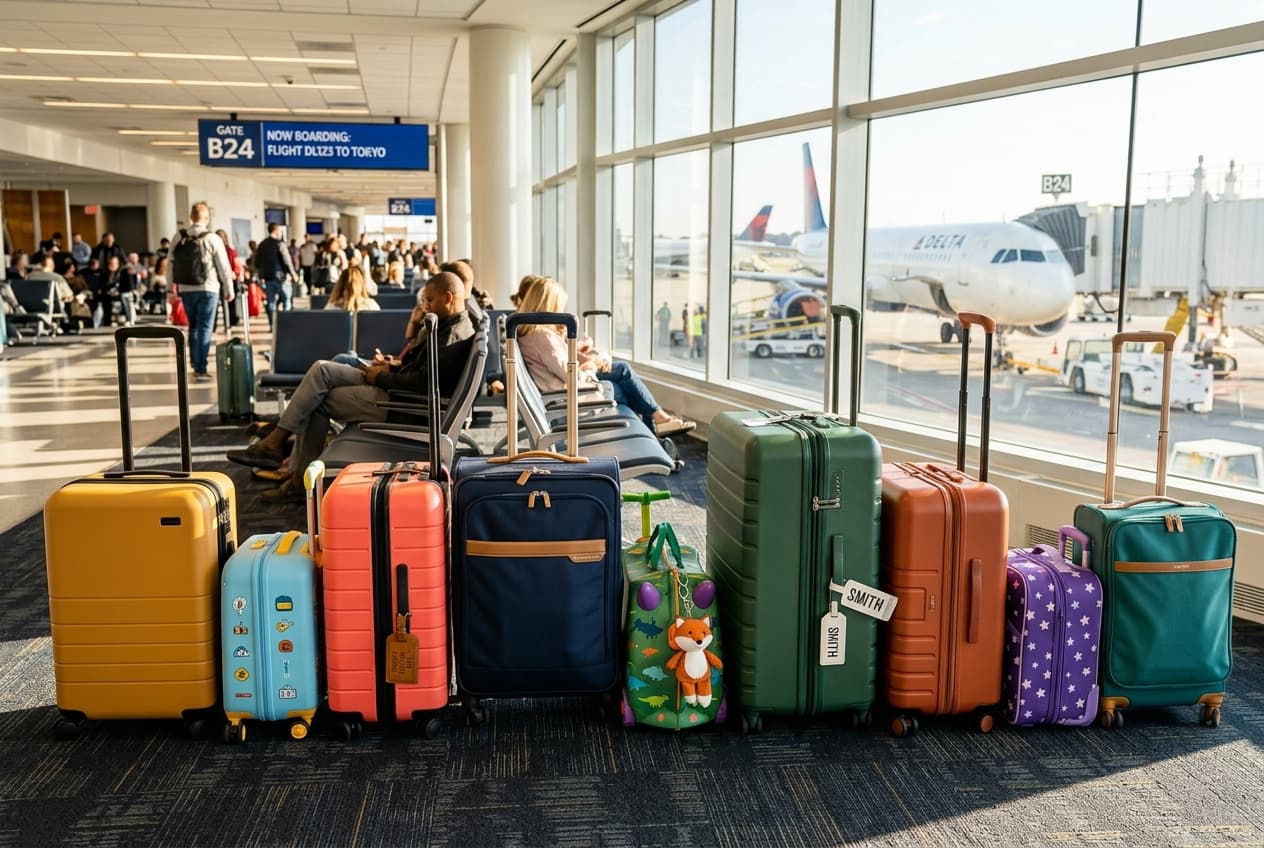
If you’ve browsed TikTok or Reddit recently, you’ve likely seen the horror stories: families being forced to pay $70+ gate-check fees per bag because their wheels protruded a mere half-inch from the airline's metal sizer. In 2026, major airlines across the globe have clamped down on hand luggage dimensions. Sizing boxes at gates are no longer just warnings—they are active profit-generators for airlines, and gate agents are checking more aggressively than ever.
When you are traveling solo, a forced gate check is an annoyance. When you are traveling with kids, it is a logistical catastrophe. A checked carry-on means your diapers, snacks, electronics, and comfort toys are suddenly locked in the cargo hold, leaving you empty-handed during a long flight.
Mastering your family carry-on luggage 2026 airlines strategy is no longer about just packing light; it is about absolute precision, understanding the new cabin rules, and choosing gear that fits the modern sizing standards without sacrificing space.
The New Sizing Reality: What Changed in 2026?
Airlines are standardizing their dimensions to speed up boarding times and maximize overhead bin space. Here is the general landscape for cabin luggage in 2026:
- The Standard International Limit: Most budget and full-service carriers have moved toward a strict 55 x 35 x 20 cm (approx. 21.6 x 13.7 x 7.8 inches) limit. This is slightly narrower than the old 22 x 14 x 9-inch standard.
- The Weight Restrictions: Weight limits are now strictly enforced, with many airlines capping carry-on bags at 7 kg to 10 kg (15 to 22 lbs).
- The "One Bag Only" Policy: Basic economy fares increasingly limit travelers to a single personal item that must fit entirely under the seat, requiring a separate paid upgrade for overhead luggage.
To make sure your bags fit the bill, check our direct recommendations in the 10 Best Family Carry-On Bags for 2026: Lightweight & Practical Reviews and read our foundational tips on selecting the Best Carry-On Luggage for Families.
4 Core Strategies for Packing Under Strict Limits
Surviving these new regulations with kids requires a systematic, modular approach. Here is how we pack our bags for long-term travel without crossing the line:
1. Ditch the Hard-Shell Spinners
Hard-shell suitcases look great, but they are rigid and heavy. If you overstuff them, they bulge and fail the sizer test. Furthermore, the spinner wheels count toward the overall height limit, robbing you of 2 to 3 inches of packing space.
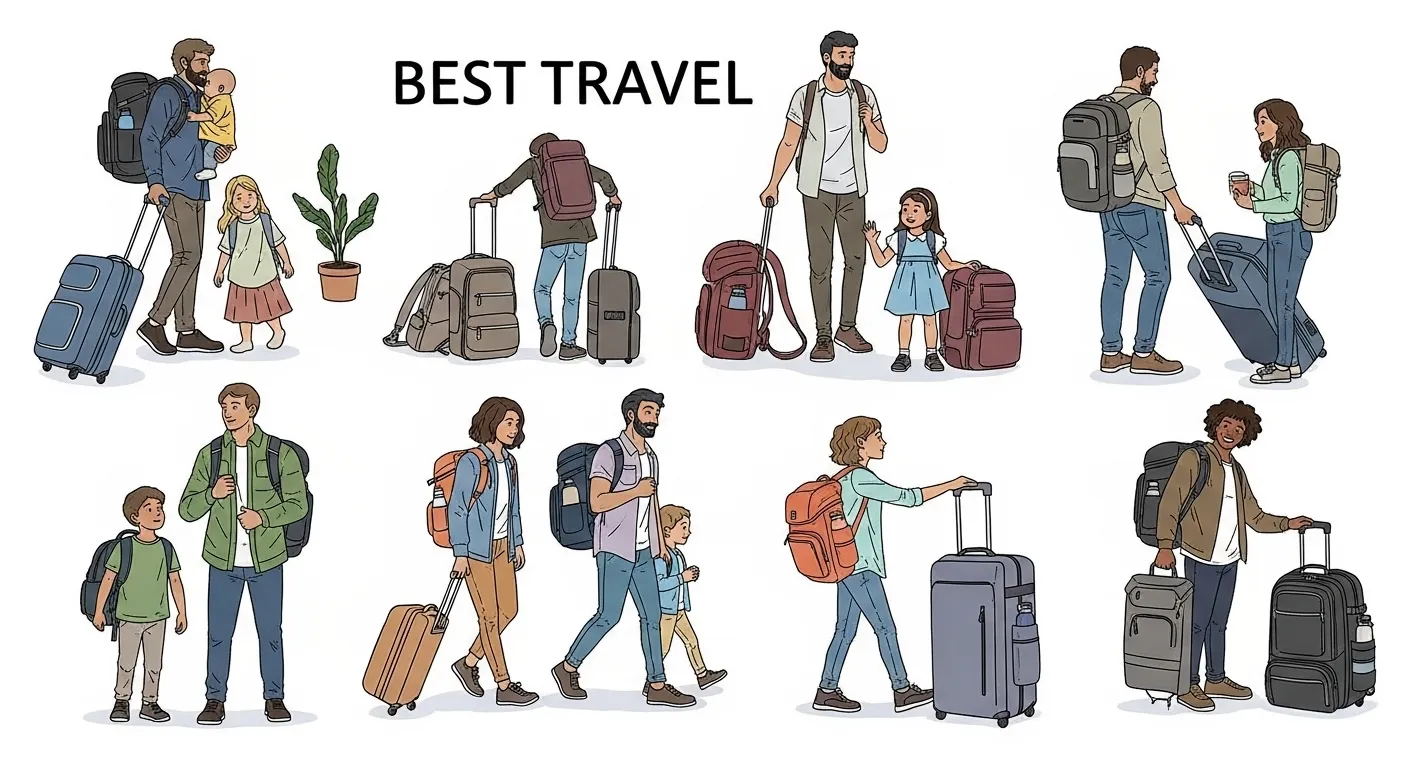
- The Alternative: Opt for soft-sided, two-wheeled rollaboard bags or specialized travel backpacks. Backpacks are rarely sized by gate agents if they are worn on your back, and they naturally squish down to fit the sizer. Check out the Best Travel Backpacks for Parents for the best options.
2. Implement the "Under-Seat" personal item strategy
Your personal item (backpack, tote, or duffel) is your secret weapon. Since it goes under the seat in front of you, airlines are far more lenient with it.
- What goes here: All "high-priority" items—kid tablets, snacks, change of clothes, wet wipes, and emergency medications.
- Pro-Tip: Give each child old enough their own small backpack to carry their personal comfort toys. This frees up space in the main overhead bags.
3. Use Compression Packing Cubes (Strictly)
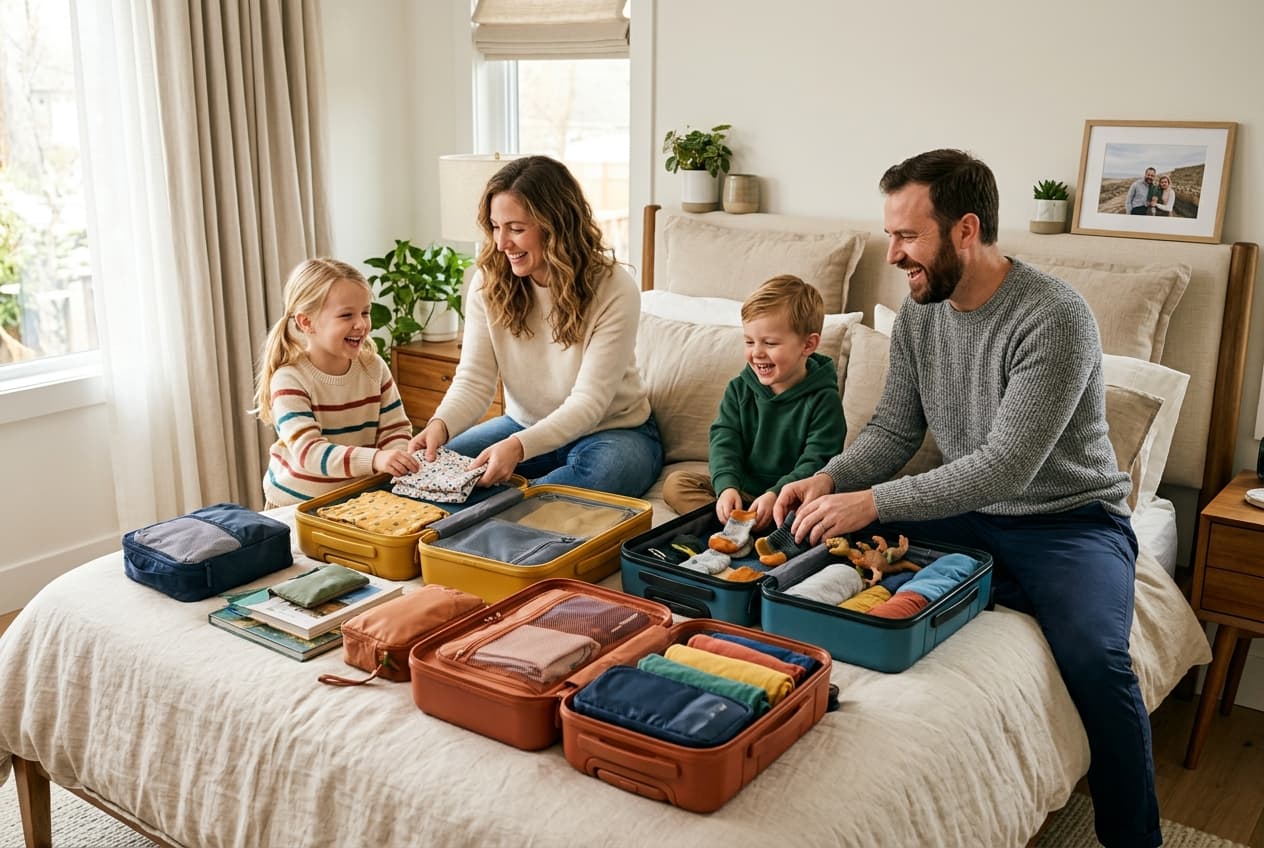
Regular packing cubes help organize; compression cubes actually save physical volume. By using double-zipper systems, they squeeze the air out of clothing, allowing you to fit more without creating a bulky, round bag that won't slide into the sizer.
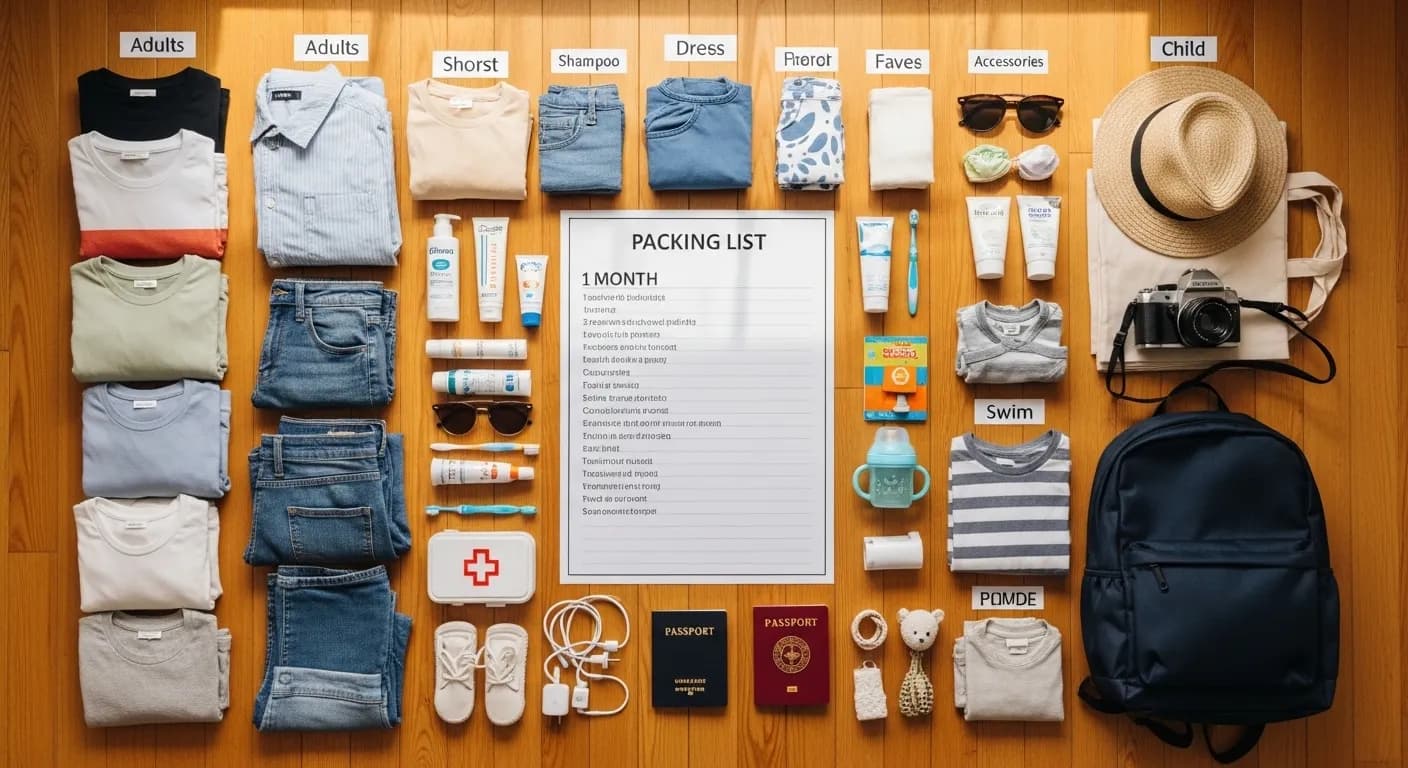
- For a complete list of what goes into these cubes, refer to our Packing List for 1 Month Family Travel and our guide on How to Pack Light With Children.
4. Wear Your Bulkiest Items
This is a classic nomad hack that is more relevant than ever in 2026. Have your kids wear their heavy hoodies, jackets, and bulkiest sneakers onto the plane. You can always take them off and stow them under the seat once you board, but it keeps the weight and volume out of your main bags during check-in.
Strollers and Car Seats: What You Need to Know
In 2026, gate-checking rules for baby gear remain relatively friendly, but airlines are starting to monitor sizes here too.
- Strollers: Most airlines allow you to gate-check one collapsible stroller for free. However, if your stroller folds up small enough to fit in the overhead bin (like the Babyzen YOYO or Bugaboo Butterfly), keep it with you in the cabin. Gate-checked strollers are often returned dirty or damaged.
- Car Seats: You can usually check a car seat for free, either at the ticket counter or the gate. If you have purchased a separate seat for your toddler, you can bring an approved car seat on board for them to sit in.
For a broader perspective on handling transportation and safety, refer to the Ultimate Guide to Family Travel in 2026.
Pre-Airport Checklist for 2026 Travel
Before leaving for the airport, take 10 minutes to run through this checklist to guarantee a fee-free boarding experience:
- Measure with Wheels and Handles: Do not trust the manufacturer’s label. Use a tape measure to check the absolute maximum dimensions, including the wheels, handle, and side pockets.
- Weigh the Bags: Use a cheap luggage scale to verify that none of your overhead bags exceed the airline's weight limit.
- Consolidate to the Allowance: Ensure everyone has exactly one overhead bag and one personal item. Carrying loose jackets, plastic bags, or extra purses can trigger a gate agent's fee.
- Keep Liquids Accessible: Keep all liquids in a clear, zip-top bag at the top of your personal item for quick removal at security.
FAQ
Do infants traveling on a lap get a carry-on allowance? Generally, no. If a child is traveling as a lap infant (under 2 years old), they do not receive their own cabin bag allowance. Their gear must fit inside the parents' bags. However, most airlines allow you to bring a diaper bag as an extra personal item for free.
What happens if my bag is forced to gate-check? If the gate agent determines your bag is too large or heavy, they will print a tag and place it in the cargo hold. You will likely be charged a premium gate-check fee (often much higher than pre-booking a checked bag online). Always make sure your passport, medications, and lithium-ion batteries are in your personal item so you don't lose access to them.
Are backpack style carry-ons strictly checked? Gate agents are looking for large, rigid roller bags first because they take up the most space in the sizer and bins. A travel backpack worn on your back is rarely scrutinized unless it looks massive and overstuffed. This makes high-quality travel backpacks the safest option for families navigating strict carriers in 2026.
AdSense Placeholder (728x90 or 300x250)
Join Our Nomad Family
Get weekly tips on smart family travel, remote work strategies, and homeschooling resources delivered straight to your inbox.
We respect your privacy. Unsubscribe at any time.
Related Articles