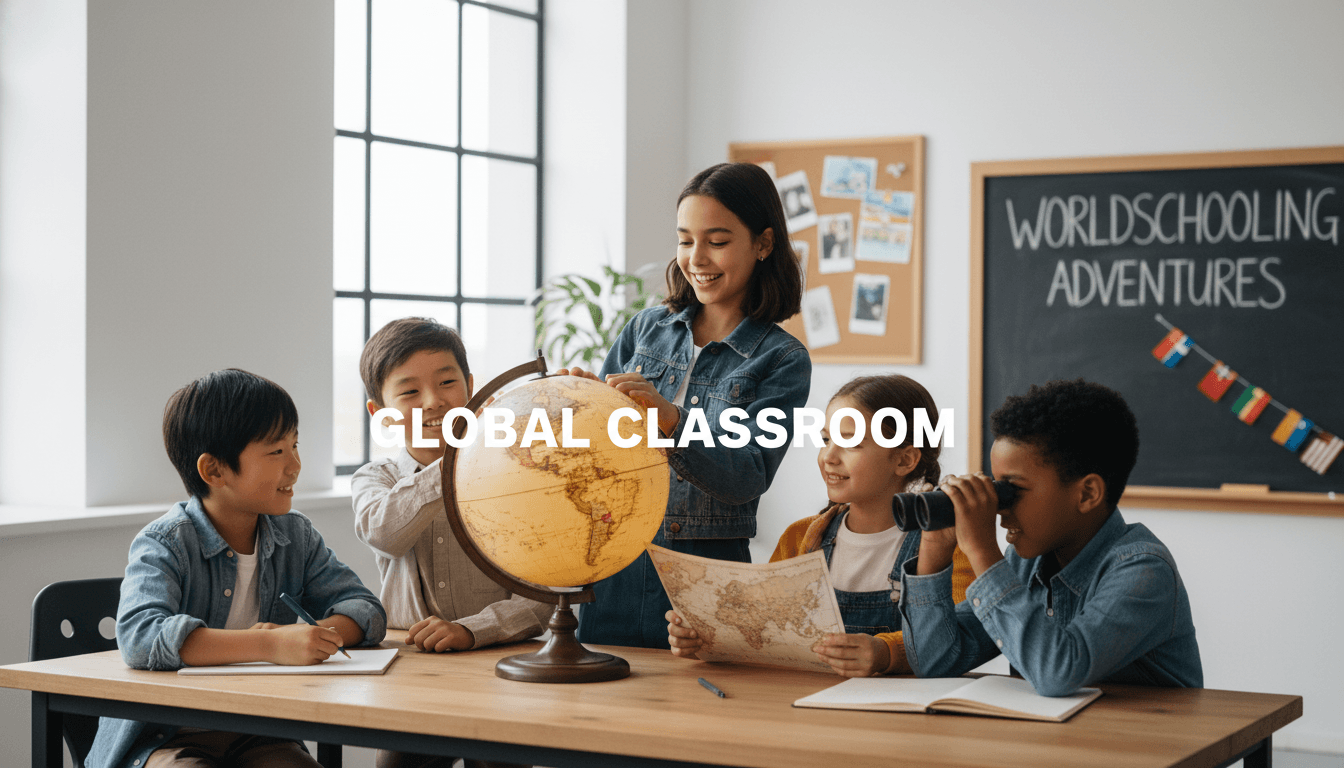
Worldschooling 101: Education on the Road
The Question That Every Traveling Parent Faces
"But what about their education?"
If you have ever mentioned the idea of long-term travel with your children, you have undoubtedly heard this question. It usually comes from well-meaning grandparents or concerned friends who picture your children falling behind, missing out on "normal" milestones, or wandering aimlessly through foreign cities without a clue about algebra.
The truth is, the world is the best classroom your child will ever step into.
Transitioning from a traditional four-walled classroom to a lifestyle of nomadic learning is a massive shift, but it is one of the most rewarding decisions a family can make. We practice a intentional mix of structured homeschooling and what is now globally recognized as "worldschooling." In this guide, we will break down Worldschooling 101: Education on the Road to show you how this lifestyle doesn't just keep kids "up to speed"—it gives them a competitive edge in a rapidly changing world.
What Exactly is Worldschooling?
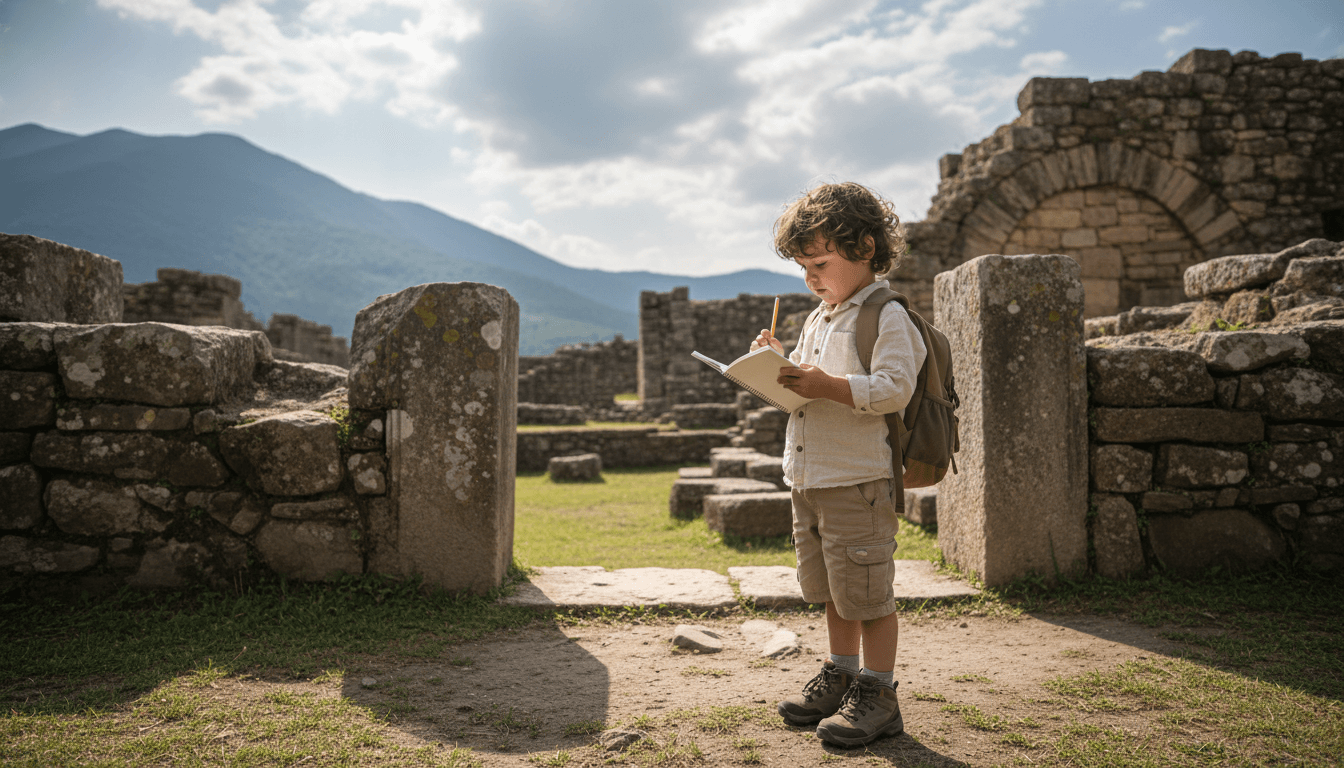
Worldschooling is an educational movement and philosophy that recognizes a student can receive no greater education than by experiencing and interacting with the world around them. It is the antithesis of rote memorization. Instead of reading about the fall of the Roman Empire in a dusty textbook, a worldschooler walks through the Forum in Rome. Instead of looking at a diagram of a coral reef, they snorkel in the Great Barrier Reef.
At its core, Worldschooling 101: Education on the Road is about intentionality. It is about using travel as the primary medium for learning history, biology, sociology, and even mathematics. It’s about learning math by calculating currency exchange rates at a bustling market in Marrakech or understanding physics by watching how boats navigate the locks of the Panama Canal.
The Hybrid Approach: Balancing Structure and Experience
While the philosophy of worldschooling leans heavily on experiential learning, most successful nomadic families—ourselves included—find that a "hybrid" model works best. We don't just "wing it." To ensure our children hit standard academic milestones, we maintain a core curriculum for essential subjects like math and language arts.
Our Core Curriculum Breakdown
- Mathematics: We rely on an online, self-paced program that uses AI to adapt to each child's skill level. This ensures they master the basics regardless of where we are in the world. Whether we are in a mountain hut in Nepal or a high-rise in Tokyo, the math remains consistent.
- Reading and Literacy: We prioritize a "literacy-rich" environment. This includes physical books found in local "Little Free Libraries" and a Kindle loaded with classics and contemporary fiction. Writing is often practiced through travel journaling, where they document their daily observations.
- Science & History: These subjects are driven entirely by our current location. If we are in the Galápagos, our science focus is evolution and marine biology. If we are in Berlin, our history focus is the Cold War and the 20th century.
The Socialization Myth: Will My Kids Have Friends?
The most common concern after "education" is "socialization." There is a lingering myth that worldschooling creates socially isolated children. In reality, we have found the opposite to be true.
Traditional schooling often limits a child’s social circle to people of the exact same age and socioeconomic background. In contrast, children practicing Worldschooling 101: Education on the Road interact with people of all ages, languages, and walks of life.
We actively seek out other traveling families through Facebook groups, worldschooling "hubs" (like those in Bansko, Bulgaria or San Pancho, Mexico), and local meetups. Our kids have friends from every continent. They have learned how to navigate language barriers, respect diverse cultural norms, and build deep bonds quickly. These are the soft skills—emotional intelligence and adaptability—that are highly prized in the modern workforce.
Practical Value: How to Make Worldschooling Work for You
If you are considering making the leap, here are some best practices and "pro-tips" from the road:
1. Focus on "Slow Travel"
Fast-paced travel is the enemy of education. To truly learn from a place, you need time. Staying in one location for at least a month allows your children to settle into a routine, find a favorite local park, and actually absorb the culture and history around them.
2. Use Technology as a Tool, Not a Crutch
There are incredible apps available today that make Worldschooling 101: Education on the Road easier than ever. Use Google Translate to learn basic phrases, Star Walk to identify constellations in the southern hemisphere, and Duolingo to gamify language learning.
3. The "Question of the Day" Strategy
Encourage curiosity by asking your children to find the answer to one specific question about your current location every day. For example: "Why are the roofs in this village slanted this way?" or "What is the primary export of this country?"
4. Budget for "Field Trips"
In worldschooling, your "school fees" are often spent on museum entries, guided tours, and cooking classes. Budgeting for these experiences is essential because they are the heart of the educational process.
Overcoming the Challenges of Education on the Road
It’s important to be realistic: worldschooling isn't always easy. There are days when the Wi-Fi is down, the kids are tired of walking, and you feel like you’re failing as a teacher.
The key is flexibility. Some days, "school" is just surviving a long train ride and learning patience. Other days, it’s a deep dive into the architecture of the Renaissance. We have learned to embrace the "ebb and flow" of nomadic life. If a child is fascinated by a specific topic, we follow that rabbit hole for as long as it lasts. This "interest-led learning" (often called unschooling) creates a genuine love for knowledge that traditional classrooms often struggle to replicate.
Why It’s All Worth It
Standing in the Colosseum while discussing the Roman Empire isn't just a cool photo opportunity; it’s a profound shift in how a child perceives history. It becomes real. It becomes something they can touch.
When you choose Worldschooling 101: Education on the Road, you are giving your children more than just facts; you are giving them a global perspective. They see firsthand the challenges of poverty, the beauty of different religions, and the universal nature of human kindness. They aren't just students; they are becoming global citizens.

Value Insight: Building a "Portfolio" Instead of a Report Card
One of the best ways to track progress in a worldschooling environment is through a digital portfolio. Instead of traditional grades, help your child curate a collection of:
- Photos of projects they’ve built.
- Videos of them speaking a new language.
- Essays or blog posts about their travels.
- Certificates from local workshops (e.g., a Thai cooking class or a pottery workshop in Morocco).
This portfolio serves as a powerful record of their growth and is often more impressive to alternative colleges and employers than a standard transcript.
FAQ
Is worldschooling legal?
In most countries, homeschooling (the legal umbrella for worldschooling) is perfectly legal. However, laws vary significantly by country of residency. Always check the regulations of your "home" country or state before embarking on a long-term journey.
Do worldschoolers go to college?
Yes! Many worldschoolers go on to attend top-tier universities. Admissions officers often appreciate the unique perspectives, independence, and "real-world" experience that nomadic students bring to the campus.
What about the cost of worldschooling?
Worldschooling can be as cheap or as expensive as you make it. While you save on private school tuition, you spend on travel. Many families find that by traveling in lower-cost regions (like Southeast Asia or Eastern Europe), their overall cost of living—including education—is lower than it was back home.
How do I handle the "transit days"?
Transit days (flights, buses, trains) are perfect for "structured" learning. Use these hours for math apps, reading, or watching documentaries related to your next destination. It turns a boring travel day into a productive school day.
Can I worldschool if I'm not a teacher?
Absolutely. You don't need to be an expert in every subject. Your role is to be a "facilitator" of learning. You provide the resources, the environment, and the opportunities; the world and the internet do the rest.
AdSense Placeholder (728x90 or 300x250)
Join Our Nomad Family
Get weekly tips on smart family travel, remote work strategies, and homeschooling resources delivered straight to your inbox.
We respect your privacy. Unsubscribe at any time.