Best Portable WiFi for International Travel
The Struggle for Connectivity on the Road
Nothing tests a parent’s patience quite like the "No Internet Connection" spinning wheel while trying to navigate a foreign subway or, worse, while your toddler is mid-meltdown waiting for their favorite show to buffer. As a digital nomad family that has spent years crossing borders, we’ve learned that reliable internet isn't just a luxury—it’s a survival tool. Whether you're uploading work files from a cafe in Lisbon or checking Google Maps in the heart of Tokyo, finding the best portable WiFi for international travel is the difference between a smooth trip and a logistical nightmare.
Public WiFi is often a trap; it’s slow, insecure, and rarely reaches the corners of the park where your kids are playing. Relying on your home carrier’s roaming plan can lead to "bill shock" that costs more than your flights. That is why a dedicated pocket router has become the most essential piece of tech in our bag.
This article is part of our comprehensive family travel series. Be sure to check out our Ultimate Guide to Family Travel in 2026 for a complete overview.

Why You Need the Best Portable WiFi for International Travel
When you travel with a family, your data needs multiply. You aren't just connecting one smartphone; you’re connecting two laptops for work, two tablets for the kids, and perhaps a Kindle or a smartwatch. This is where the best portable WiFi for international travel shines. These devices, often called "pocket WiFi" or "MiFi," create a private, encrypted bubble of internet that moves with you.
The primary advantage is cost-efficiency. Instead of buying four separate local SIM cards or paying for four roaming plans, you pay for one data package that everyone shares. Furthermore, these devices often provide better signal strength than a standard smartphone hotspot, which tends to overheat and drain your phone's battery in less than two hours. A dedicated hotspot is built for the marathon of travel, offering 12 to 24 hours of continuous connectivity.
Key Factors to Consider Before Buying a Hotspot
Not all hotspots are created equal. Before you hit "buy," you need to evaluate your specific travel style. Are you a "heavy" user who needs portable WiFi for travel unlimited data, or are you a casual browser?
- Network Compatibility: Ensure the device supports global LTE and 5G bands. Some cheaper models only work in specific regions like North America or Europe.
- Battery Life: Look for a minimum of 10 hours. If you are out exploring all day, you don't want your map to die when you're trying to find your way back to the hotel.
- Device Limit: Most high-quality units allow 5 to 10 simultaneous connections. For a family, this is the "sweet spot."
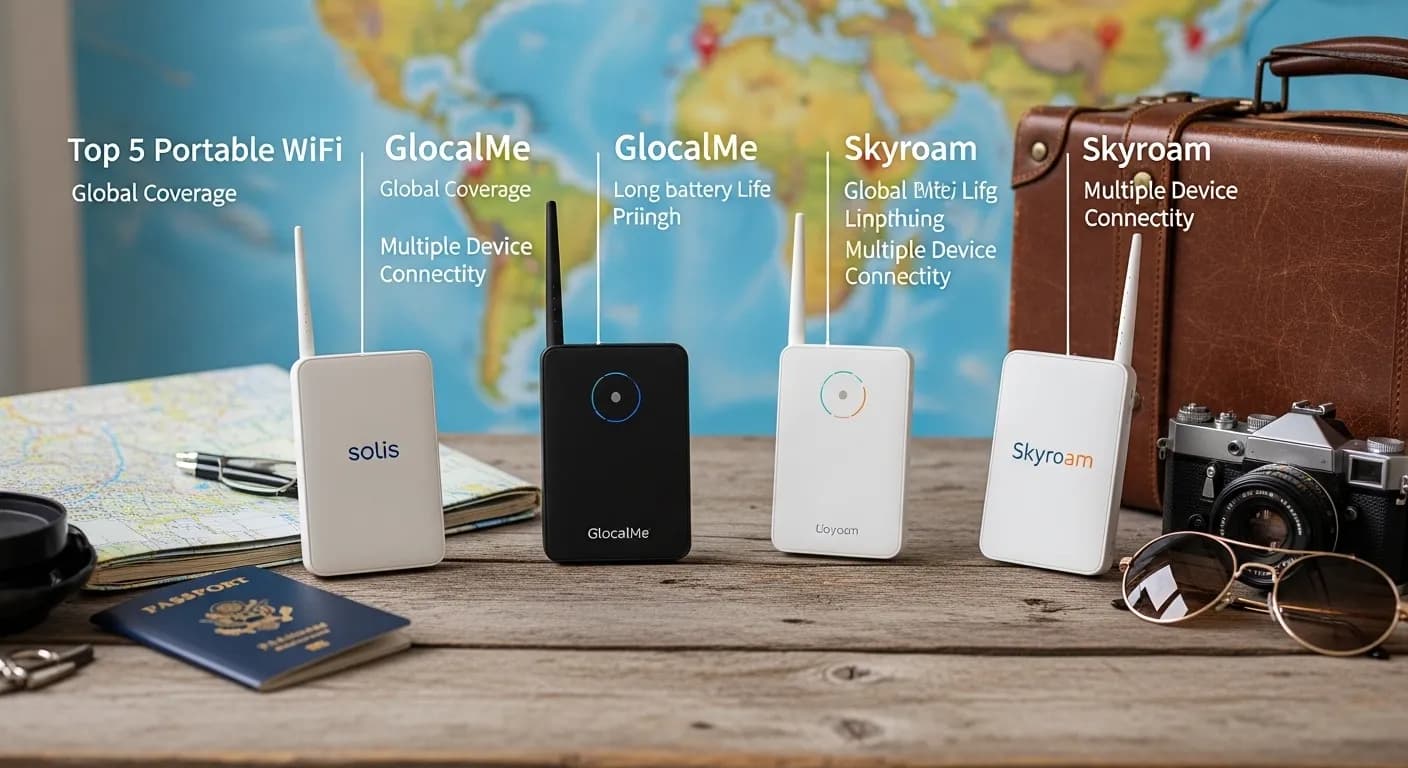
- SIM vs. Cloud SIM: Some devices require a physical SIM card, while modern "Cloud SIM" devices (like Solis or GlocalMe) allow you to buy data packages via an app without ever touching a piece of plastic.
Top Recommendations for the Best Portable WiFi Hotspot
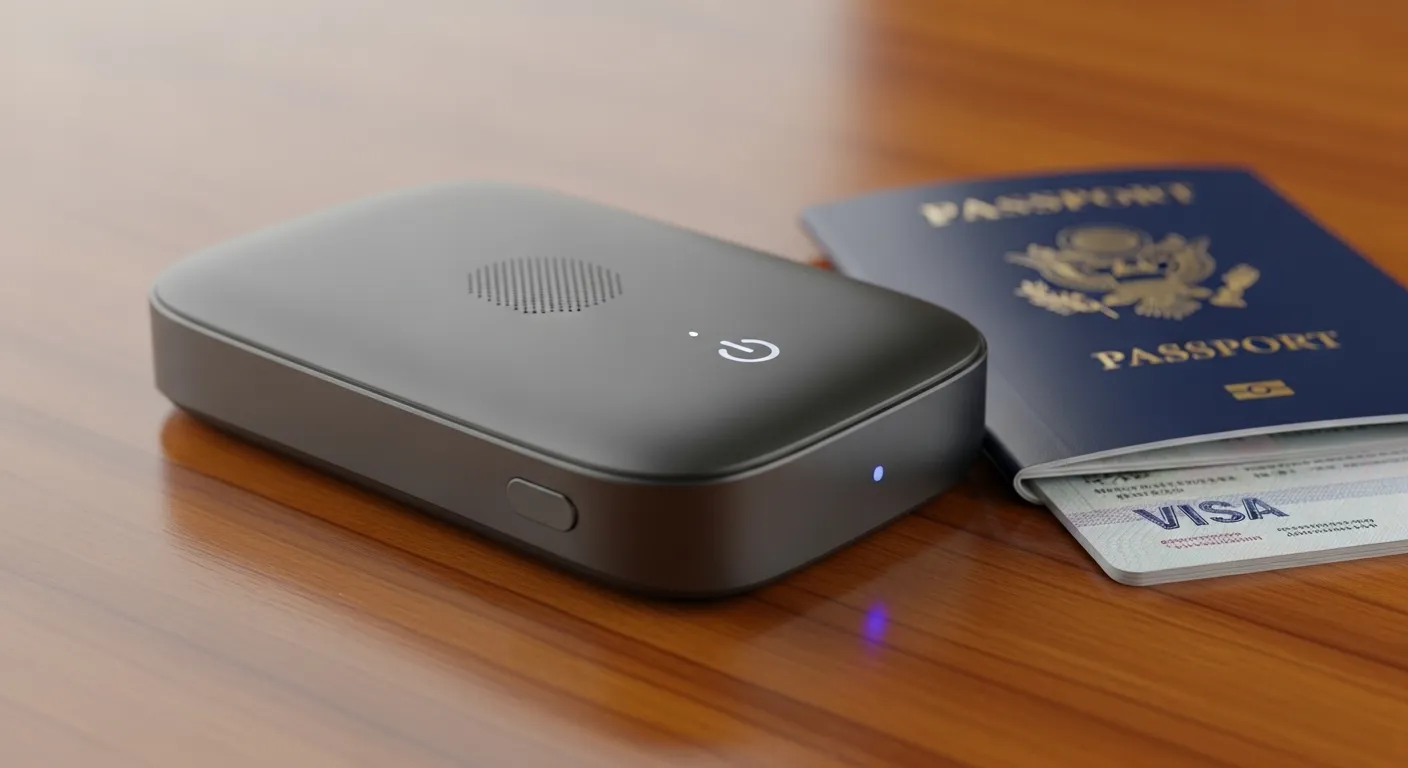
After testing dozens of units in various climates and terrains, a few clear winners have emerged. If you are looking for the best portable WiFi hotspot, these three brands consistently lead the pack:
1. Solis (Formerly Skyroam)
Solis is the gold standard for many digital nomads. Their devices, like the Solis Lite or Solis 5G, use virtual SIM technology. You simply turn it on, and it finds the strongest local carrier in over 135 countries. It also doubles as a power bank, which is a lifesaver when your phone hits 5%.
2. GlocalMe
GlocalMe offers a wide range of devices with built-in screens, allowing you to track your data usage in real-time. This is incredibly helpful for staying within budget. Their "pay-as-you-go" plans are some of the most flexible in the industry, making it a strong contender for the title of best travel WiFi.
3. Netgear Nighthawk M6
If budget is no object and you require professional-grade speeds, the Netgear Nighthawk series is unbeatable. This is a "bring your own SIM" device. It is significantly faster than Cloud SIM options because it uses high-end hardware to aggregate signals, but it requires more manual setup.
Portable WiFi for Travel: Unlimited Data vs. Capped Plans
The dream for every traveler is to have portable WiFi for travel unlimited data. However, you must read the fine print. Most "unlimited" international plans come with a Fair Usage Policy (FUP). This means you might get 1GB or 2GB of high-speed 4G/5G data per day, after which your speed drops to 2G or 3G levels—barely enough to send a WhatsApp message.
For families, we recommend looking for plans that offer "True Unlimited" in specific regions or purchasing large "Data Blocks" (e.g., 20GB for 30 days). This prevents the frustration of being throttled right when you need to join an important video call.

Integrating Connectivity into Your Travel Gear
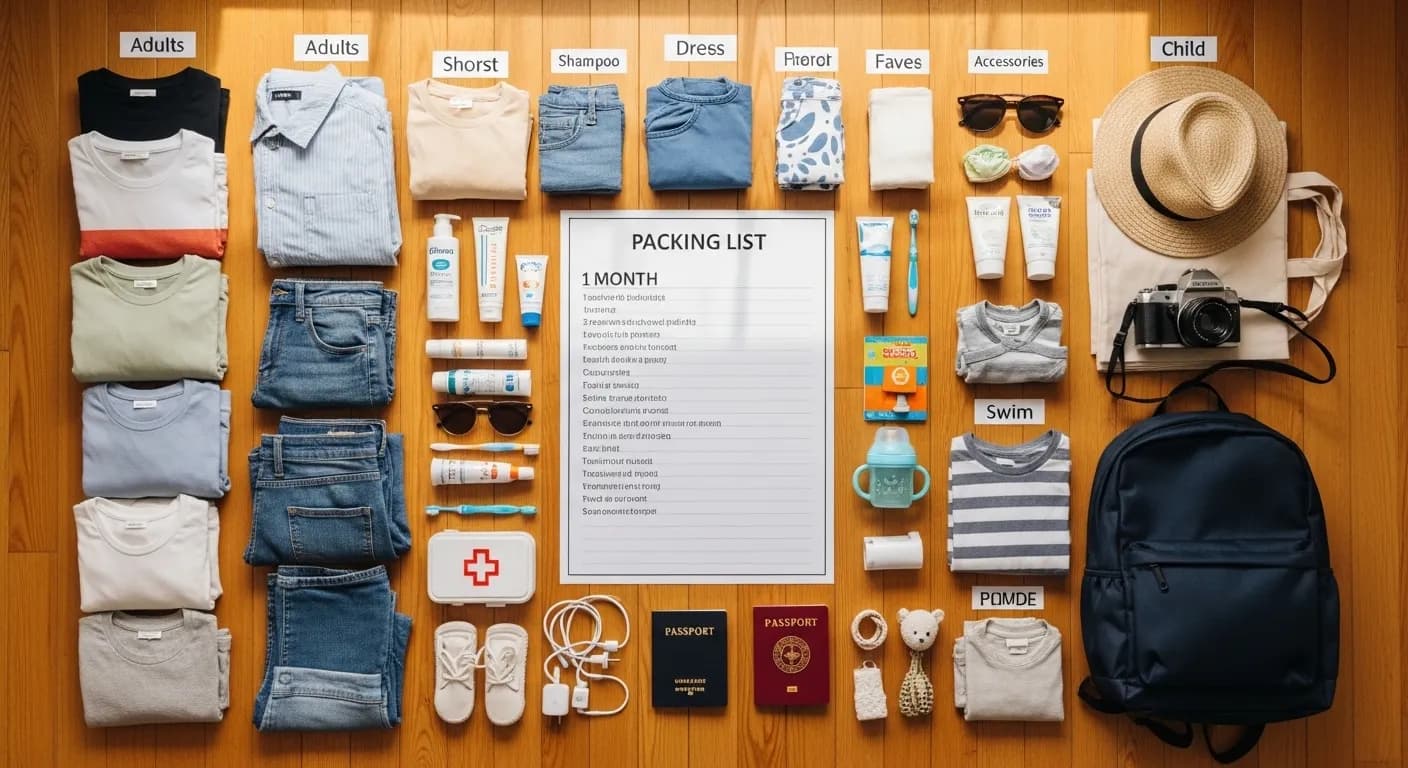
Managing your tech is just as important as managing your luggage. When we pack, our portable WiFi device has a dedicated spot in our "tech pouch" alongside chargers and adapters. It’s about creating a system that reduces stress.
To further help you on your journey, we highly recommend reading:
Just as you wouldn't travel without a reliable stroller, you shouldn't travel without a reliable way to stay connected. Both are essential for maintaining your sanity while navigating new environments with children.
Security and Safety While Browsing Abroad
One of the most overlooked benefits of using the best portable WiFi for international travel is security. Public WiFi at airports, hotels, and cafes are prime hunting grounds for hackers using "man-in-the-middle" attacks to steal passwords or credit card info.
When you use your own hotspot, you are on a private, password-protected network. We always recommend pairing your hotspot with a high-quality VPN for an extra layer of encryption. This is especially vital if you are accessing banking apps or work portals while abroad.
If you're looking to expand your knowledge beyond gear, you might also find this useful:
Value Section: Pro Tips for Maximizing Your Connection
To get the most out of your best travel WiFi investment, follow these expert practices:
- Disable Auto-Updates: Before you leave, set your phone and laptop to "Low Data Mode" and disable automatic app updates. A single background update of a mobile game can eat 2GB of your expensive travel data in minutes.
- Positioning Matters: Inside a hotel room, place your hotspot near the window. Building materials like concrete and steel are notorious for blocking signals.
- Offline Maps as Backup: Even with the best hotspot, there will be "dead zones" (like remote mountains or tunnels). Always download offline maps in Google Maps for your destination.
- Local SIM Hack: If you are staying in one country for more than two weeks, it is often cheaper to buy a local physical SIM card and insert it into your portable hotspot rather than using a global "Cloud SIM" plan.

FAQ
1. Is it better to rent or buy a portable WiFi device? If you travel more than twice a year, buying is significantly cheaper. Rental fees add up quickly, and having your own device means you can set it up before you even leave your house.
2. Can I use my portable WiFi hotspot on an airplane? No, these devices rely on cellular towers on the ground. They will not work mid-flight. You will still need to use the airline's provided WiFi if you need to stay connected in the air.
3. Will the best portable WiFi for international travel work in every country? Most premium devices cover 130+ countries. However, very remote areas or countries with strict telecommunications laws (like parts of Africa or the Middle East) may have limited coverage. Always check the provider's coverage map before booking.
4. How many devices can I connect to a single hotspot? Most consumer-grade hotspots allow between 5 and 10 devices. Keep in mind that the more devices connected, the slower the speed will be for everyone, as they are all sharing the same bandwidth.
5. Does a portable WiFi device require a monthly subscription? It depends on the brand. Some require a monthly fee, while others, like GlocalMe or Solis, offer "Pay-as-you-go" options where you only pay for the data you actually use.
Final Thoughts
Investing in the best portable WiFi for international travel is an investment in your peace of mind. For a digital nomad family, the ability to work from anywhere while keeping the kids entertained and safe is priceless. By choosing a device that offers flexibility, strong battery life, and reliable data plans, you remove one of the biggest hurdles of international exploration.
Stay connected, stay secure, and most importantly, enjoy the journey with your loved ones.
AdSense Placeholder (728x90 or 300x250)
Join Our Nomad Family
Get weekly tips on smart family travel, remote work strategies, and homeschooling resources delivered straight to your inbox.
We respect your privacy. Unsubscribe at any time.
Related Articles