Safety Tips When Traveling With Children
Traveling the world as a digital nomad family is an exhilarating experience, but it comes with a unique set of challenges that solo backpackers never have to face. When you are balancing Zoom calls in one time zone and a toddler’s nap schedule in another, the margin for error becomes razor-thin. We’ve learned through years of trial and error that the secret to a successful journey isn't just a good itinerary—it's a robust security net. Prioritizing safety tips when traveling with children isn't about being paranoid; it’s about creating a foundation of confidence so your kids can explore the world freely.
This article is part of our comprehensive family travel series. Be sure to check out our Ultimate Guide to Family Travel in 2026 for a complete overview.
The Foundation of Safe Family Travel
Before you even book your flights, safety starts with a mindset. Many parents feel overwhelmed by the "what ifs," but most travel mishaps are preventable with proactive planning. As a digital nomad family, we’ve found that the more "boring" prep work we do at home, the more "exciting" adventures we can have on the road. This means researching local emergency numbers, understanding the healthcare quality of your destination, and ensuring your travel insurance specifically covers pediatric care.
Navigating the Airport: Understanding the Rules
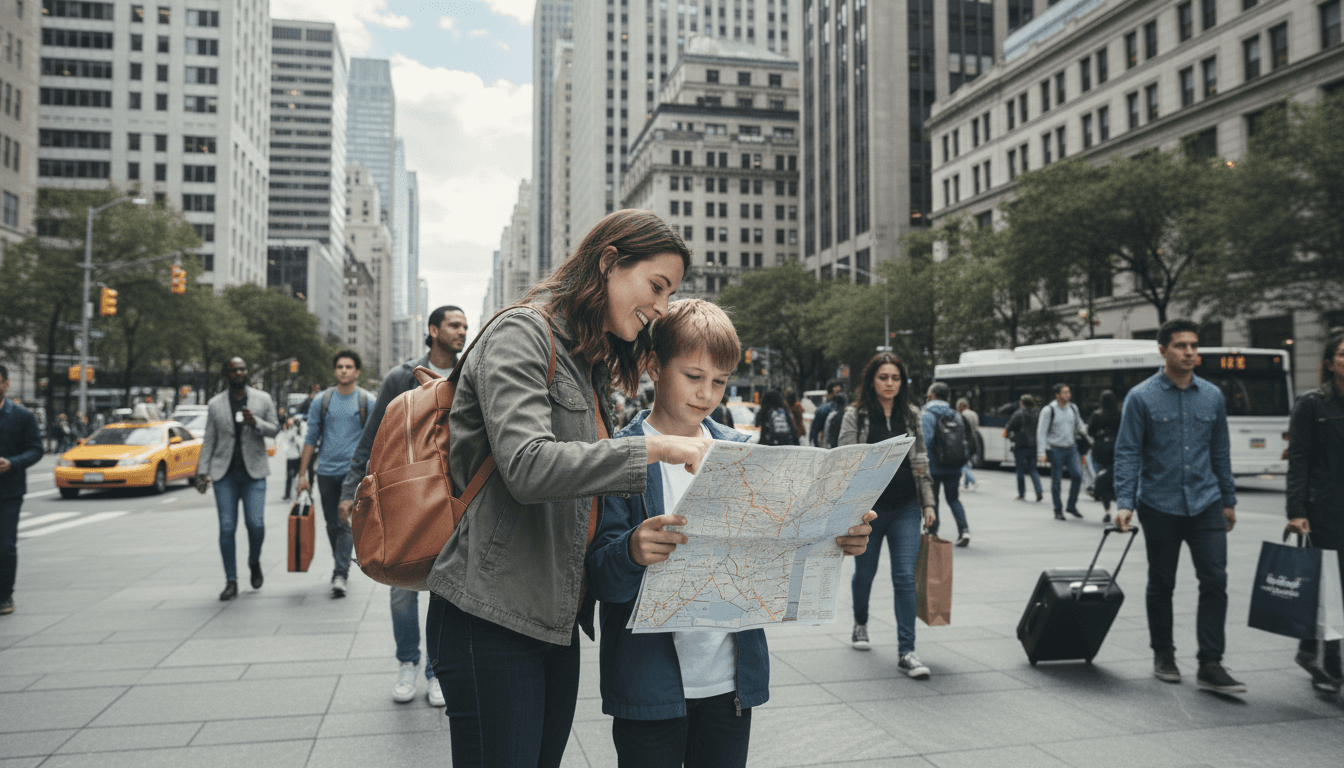
The airport is often the most stressful part of the journey. To keep your sanity and your children secure, you need to know the logistics. One of the most common questions we get is: What are the rules for flying with a child?
Generally, children under the age of two can fly as "lap infants," but for safety reasons, many experts recommend purchasing a separate seat and using a CRS (Child Restraint System) or an FAA-approved car seat. When passing through security, remember that TSA and most international equivalents allow reasonable quantities of breast milk, formula, and juice, even if they exceed the standard 3.4oz limit. Always declare these items at the start of the screening process to avoid unnecessary delays.
Mastering the Skies: How to Travel with a 3 Year Old in an Airplane
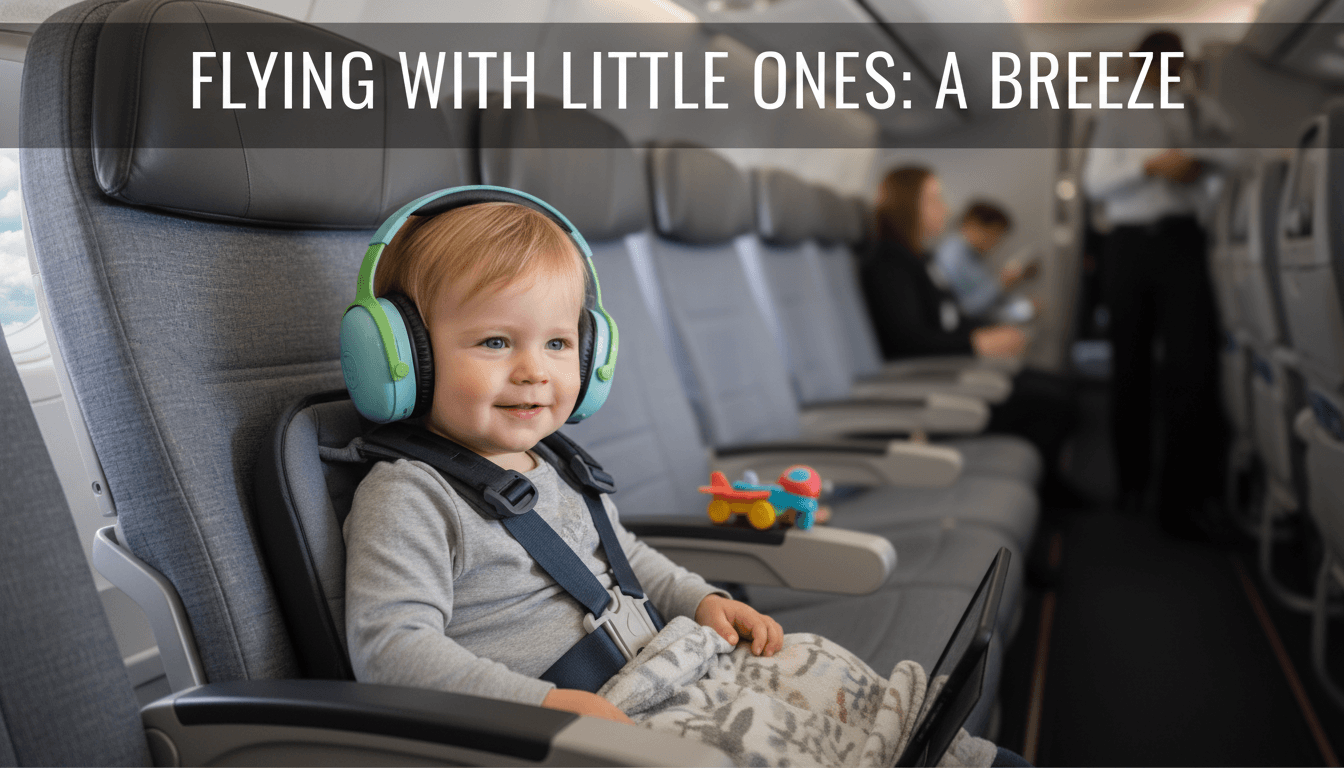
Flying with a toddler is a completely different beast than flying with an infant. If you’re wondering how to travel with a 3 year old in an airplane without losing your mind, the answer lies in engagement and physical safety. At this age, children are mobile and curious, which can be a recipe for disaster in a cramped cabin.
First, ensure their seatbelt is fastened whenever they are seated, as unexpected turbulence is the leading cause of in-flight injuries. To keep them occupied, pack a "surprise bag" of new, small toys that they only get to see once the plane reaches cruising altitude. Avoid snacks with high sugar content to prevent a "sugar rush" in a confined space. Instead, opt for protein-rich snacks that keep them full and level-headed.
Essential Gear for Keeping Kids Secure
When it comes to safety tips when traveling with children, your gear can be your best ally. We never leave for a trip without these three items:
- Identification Bracelets: Even if your child is verbal, they might freeze in a crisis. A waterproof bracelet with your phone number and "ICE" (In Case of Emergency) details is a lifesaver.
- Portable Door Locks: Not all hotel or Airbnb locks are child-proof. A portable travel lock ensures your little ones don't wander out of the room while you're asleep or working.
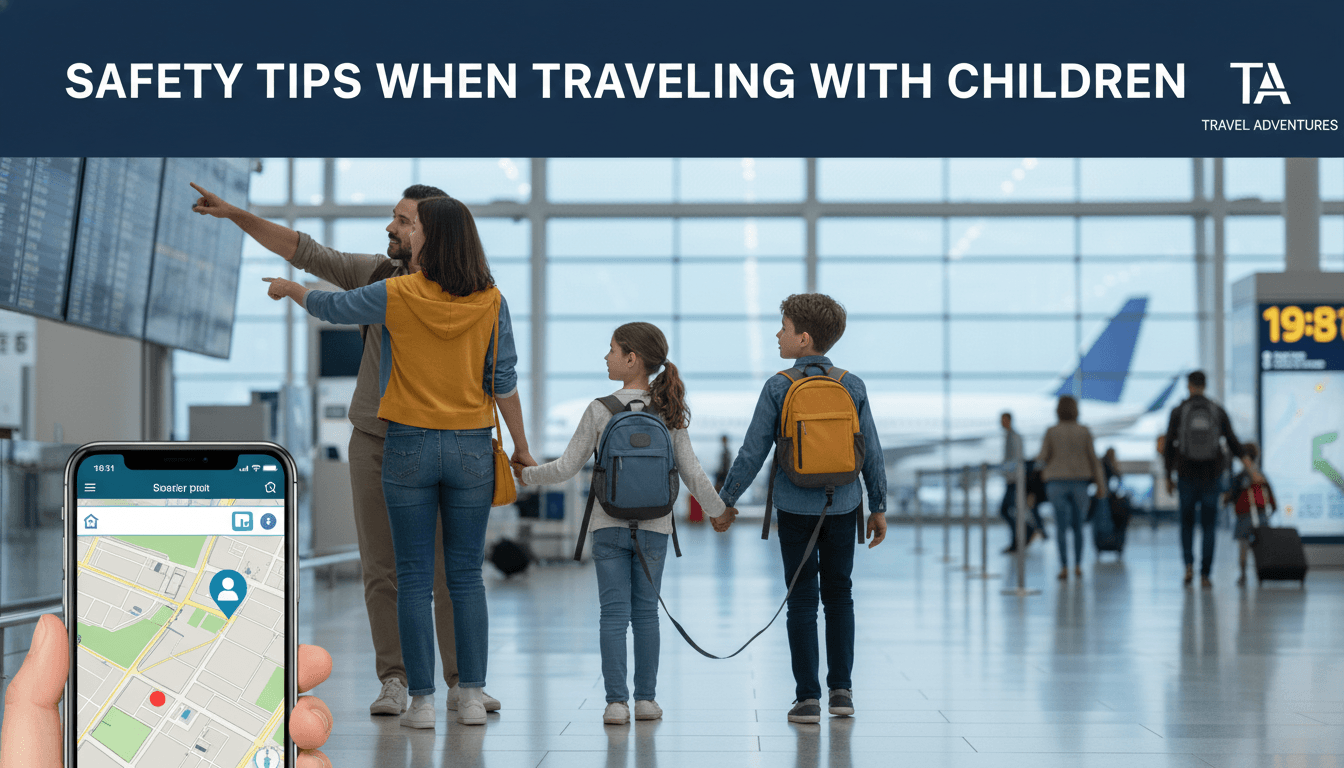
- GPS Trackers: For older children, a small AirTag or a dedicated GPS watch provides an extra layer of peace of mind in crowded markets or theme parks.
Health and Hygiene on the Move
Staying healthy is a vital part of staying safe. Before departing, consult a travel clinic to ensure your family is up to date on vaccinations. Pack a comprehensive first-aid kit that includes child-specific dosages of ibuprofen, antihistamines, and rehydration salts.
In many parts of the world, water safety is a primary concern. Teach your children from day one to never drink tap water and to be careful with ice cubes. We often use a "hand-washing song" to ensure our kids are scrubbing long enough to actually kill germs, especially after touching high-traffic surfaces like subway poles or museum railings.
Related Resources in Planning
To further help you on your journey, we highly recommend reading:
Safety at the Destination: Crowds and Public Transport
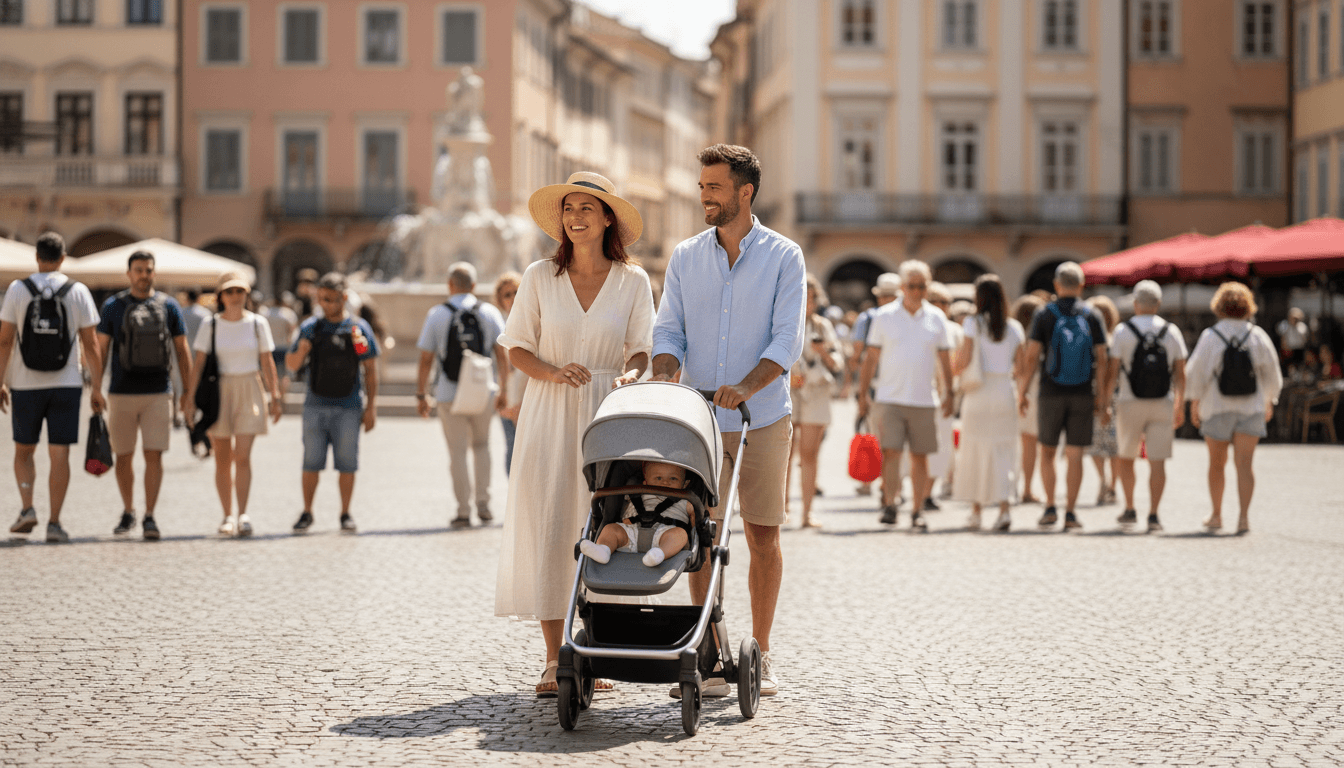
Once you land, the environment changes, but the need for vigilance remains. In crowded tourist hubs, use the "Two-Hand Rule": younger children must always be holding a parent's hand or be strapped into a carrier/stroller. For older kids, establish a "Lost Point"—a bright, easily identifiable landmark where you will meet if you get separated.
When using public transport, try to avoid peak hours when cars are packed. If you're using ride-sharing apps, verify the driver's identity and ensure the vehicle has working seatbelts. Many parents forget that car seat laws vary wildly by country; just because the local law doesn't require a car seat doesn't mean it's safe to skip one.
Digital Nomad Specifics: Balancing Work and Supervision
For those of us working remotely, the biggest safety risk is often distraction. It only takes a second for a child to wander off while you're responding to an "urgent" Slack message.
Best Practice: Implement a "Designated Safety Officer" system. If there are two parents, one is 100% "on duty" with the kids while the other works. Never assume the other person is watching the children unless you have made an explicit hand-off. If you are a solo parent traveler, look for "family-friendly" co-working spaces that offer on-site childcare.
Value Section: The "Lost Child" Protocol
If the worst happens and you lose sight of your child, don't just wander around calling their name. Use the "Loud Identification" technique. Shout a description of your child: "I’m looking for a 4-year-old boy, red shirt, blue hat!" This immediately enlists everyone around you to help and makes it much harder for a potential abductor to slip away unnoticed.
Exploring Other Aspects of Family Travel
If you're looking to expand your knowledge beyond planning, you might also find this useful:
Conclusion: Confidence Through Preparation
Implementing these safety tips when traveling with children doesn't mean your trip will be devoid of fun. In fact, it's quite the opposite. When you know you have the right gear, understand the airport rules, and have a plan for emergencies, you can relax and actually enjoy the sunset in Bali or the museums in Paris. Travel is the greatest education you can give your children—just make sure they stay safe while they're learning.
FAQ
1. What are the rules for flying with a child regarding liquids? You are allowed to bring more than the standard 3.4 ounces (100ml) of formula, breast milk, and baby food. These are considered "medically necessary liquids" and should be presented separately at security for screening.
2. How to travel with a 3 year old in an airplane for a long-haul flight? Focus on comfort and distraction. Use a comfortable, travel-friendly car seat or CARES harness, pack plenty of non-messy snacks, and bring noise-canceling headphones designed for children to protect their ears and keep them entertained with movies or music.
3. Is it safe to use local car services with children? It depends on the country. In many places, ride-shares do not provide car seats. It is always safest to bring your own lightweight travel car seat or use public transportation like trains and buses which are often safer in regions with erratic driving standards.
4. How do I keep my child's ID safe? Use a combination of physical ID (like a bracelet) and digital backups. Keep a photo of your child’s passport on a secure cloud drive and take a "Photo of the Day" every morning of your child so you have a current image of what they are wearing in case they get lost.
5. What should I do if my child gets sick abroad? Always have travel insurance that covers "emergency medical evacuation." Research the best international hospital in your destination before you arrive and keep their address saved in your offline maps.
AdSense Placeholder (728x90 or 300x250)
Join Our Nomad Family
Get weekly tips on smart family travel, remote work strategies, and homeschooling resources delivered straight to your inbox.
We respect your privacy. Unsubscribe at any time.
Related Articles