Budget Breakdown: 1 Month in Europe With Kids
The Reality of Traveling Through Europe as a Family
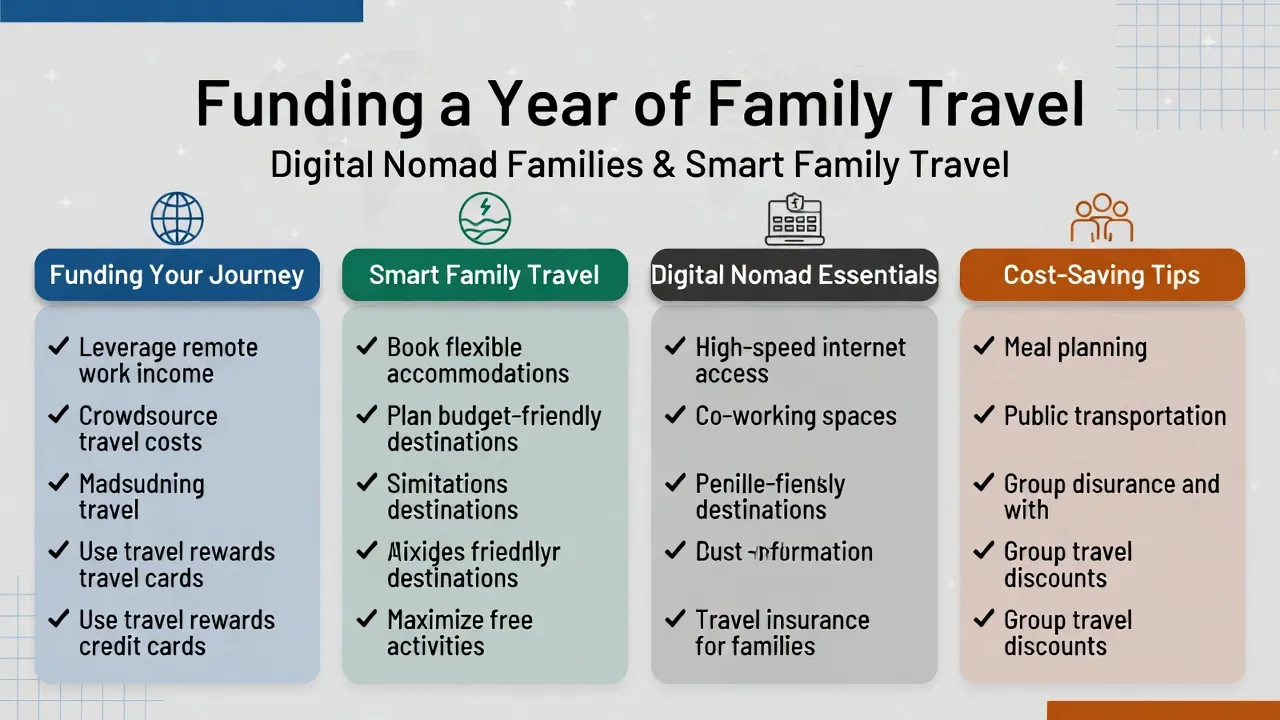
Let’s be honest: the dream of sipping espresso at a Parisian cafe while your children sit quietly nearby is a beautiful one, but the financial reality can feel like a looming shadow. When you start planning a Budget Breakdown: 1 Month in Europe With Kids, the numbers can quickly become overwhelming. I’ve been there—staring at a spreadsheet, wondering if we should pick Lisbon or London, and trying to figure out how many euros a four-year-old can actually eat in a day.
Europe is not a monolith. The cost of a month in Switzerland will look vastly different from a month in Poland. However, as a digital nomad family, we’ve learned that with the right strategy, you can experience the magic of the Old World without draining your retirement fund. This guide is designed to give you a transparent, "no-fluff" look at what it costs to live, work, and explore Europe for 30 days with your family.
Before we dive into the nitty-gritty of the numbers, it’s essential to have a broader context of how travel is changing. Be sure to check out our Ultimate Guide to Family Travel in 2026 for a complete overview of the latest trends and planning tools.

1. Accommodation: The Foundation of Your Budget
When you are traveling for a full month, you aren't just "staying" somewhere; you are living there. For a family, accommodation is almost always the largest expense in any Budget Breakdown: 1 Month in Europe With Kids.
In Western Europe (France, Germany, Netherlands), a family-sized Airbnb or apartment hotel will typically range from $3,500 to $6,000 per month. If you head East or South (Portugal, Spain, Greece, or the Balkans), those prices can drop to $2,000 to $3,500.
Why We Choose Apartments Over Hotels
- Kitchen Access: Saving $30–$50 a day by cooking breakfast and dinner at home adds up to $1,500 over a month.
- Laundry: With kids, laundry is a daily reality. Paying for hotel laundry services is a budget killer.
- Separate Bedrooms: If you are working remotely, you need a door that closes. If you're still looking for ways to fund your travels, check out these Remote Jobs for Parents Who Love Traveling.
2. Transportation: Getting Around the Continent
Transportation is the second biggest variable in your Budget Breakdown: 1 Month in Europe With Kids. Europe has a fantastic rail network, but it isn't always the cheapest option for a family of four.
Trains vs. Planes vs. Cars
- Eurail Passes: Great for flexibility, but often expensive. A family pass can cost upwards of $1,200 for a month of travel.
- Budget Airlines: RyanAir and EasyJet offer $30 tickets, but once you add four checked bags (because kids come with gear), that $30 ticket becomes $150.
- Car Rentals: If you plan to explore the countryside (like Tuscany or the Algarve), a car is essential. Expect to pay $800–$1,200 per month plus gas and high parking fees in cities.
Pro Tip: Stick to "Slow Travel." By staying in only two cities over the month rather than five, you can slash your transportation budget by 60%. For more on this philosophy, read our guide on How to Budget for Long-Term Travel.
3. Feeding the Family: From Gelato to Groceries
Food costs fluctuate wildly based on your habits. If you eat out three times a day in Rome, your Budget Breakdown: 1 Month in Europe With Kids will skyrocket.
- The Grocery Strategy: Expect to spend about $800–$1,200 on groceries for a family of four. European markets are high quality and often cheaper than US counterparts for fresh produce and cheese.
- Dining Out: A casual lunch for four is usually $50–$70. A "nice" dinner with wine can easily hit $150.
- The "Kid Tax": Don't forget the daily gelato, the street crepes, and the emergency snacks. Budget an extra $200 just for these small joys.
4. Activities and Entertainment
One of the best things about Europe is that many of the best experiences are free. Public squares, historic churches, and sprawling parks don't cost a dime. However, you’ll want to see the big sights.
- Museums & Landmarks: Budget around $500–$800 for the month. Many European museums offer free entry for children under 12 or 18, which is a massive help for the family budget.
- Child-Specific Fun: Zoos, science centers, and indoor play areas (for rainy days) usually cost $60–$100 per visit for a family.
To keep the kids entertained during transit or while you're working at a local cafe, having the right gear is vital. We’ve reviewed the Best Noise-Canceling Headphones for Kids to help you maintain your sanity during those long hauls.

5. The Hidden Costs: What Most People Forget
When calculating your Budget Breakdown: 1 Month in Europe With Kids, it’s the "invisible" costs that usually cause the most stress.
- Health Insurance: International travel insurance for a family of four is roughly $150–$250 per month. Do not skip this.
- Data & SIM Cards: E-SIMs (like Airalo) are convenient but can cost $30–$50 per person. Local SIMs are cheaper but require more effort.
- ATM Fees & Currency Conversion: Use a card like Charles Schwab or Revolut to avoid the 3% "convenience" fees that eat away at your budget.
- Public Toilets: Yes, in Europe, you often have to pay 0.50€ to 1€ to use the bathroom. With kids, this can actually become a line item in your budget!
6. Comparing Regions: High vs. Low Cost
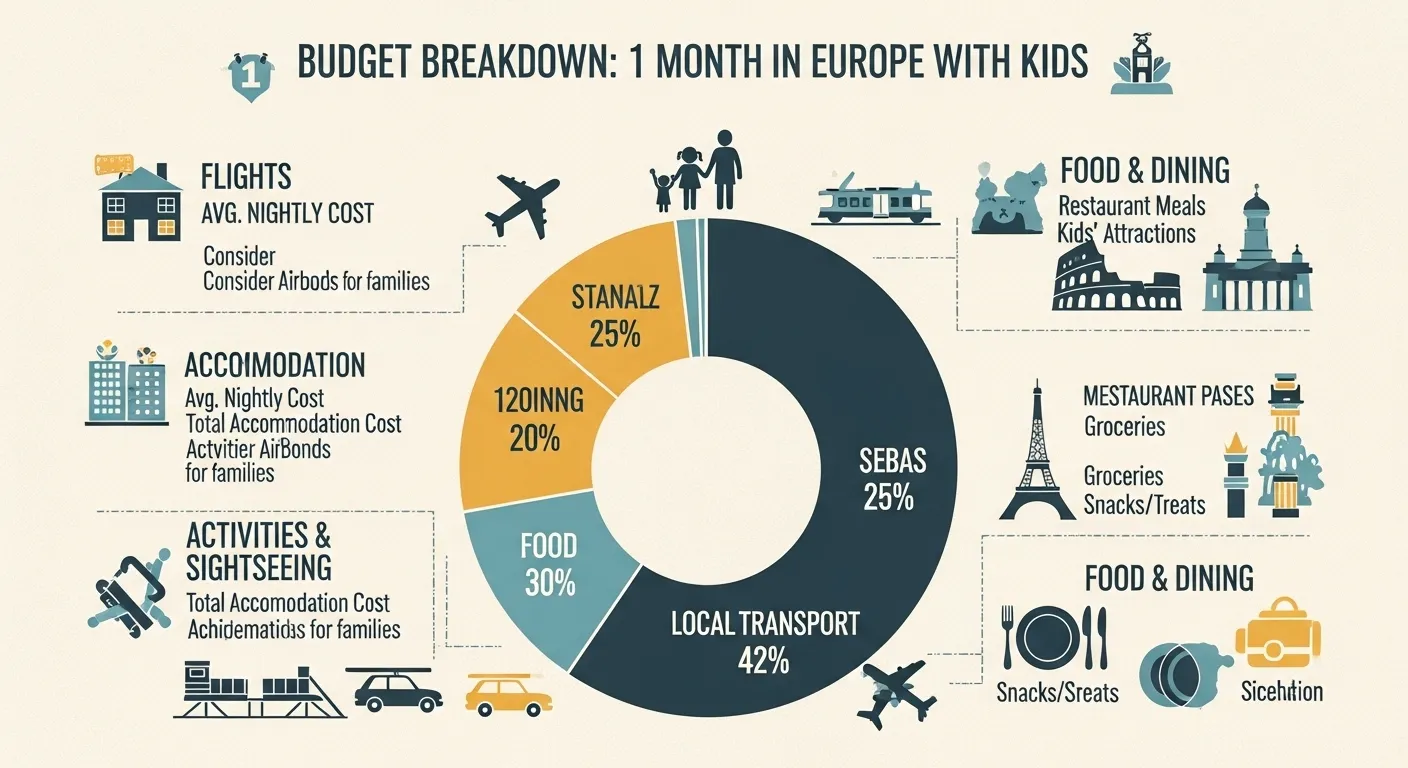
To make your Budget Breakdown: 1 Month in Europe With Kids work, you need to choose your region wisely. Here is a rough monthly estimate for a family of four:
| Expense Category | Western Europe (e.g., Amsterdam) | Eastern/Central Europe (e.g., Prague) | | :----------------- | :------------------------------- | :------------------------------------ | | Accommodation | $4,500 | $2,500 | | Food/Groceries | $1,500 | $900 | | Transport | $600 | $400 | | Activities | $800 | $500 | | Miscellaneous | $500 | $300 | | TOTAL | $7,900 | $4,600 |
Value Section: Expert Tips for Cutting Costs
After years of navigating the European continent with little ones, here are our best practices for keeping the Budget Breakdown: 1 Month in Europe With Kids under control:
- The "Picnic Lunch" Rule: Eat a heavy breakfast at the apartment, pack a picnic lunch from a local bakery (boulangerie/panaderia), and only eat out for dinner or a late-afternoon treat.
- City Passes: Many cities like Vienna or London offer family passes that include transport and museum entry. Always do the math first, but they usually pay for themselves by day three.
- Off-Season Travel: Visiting in May or September can save you 30% on accommodation compared to July and August. Plus, the crowds are much thinner, which is better for kids' safety and stress levels.
- Free Walking Tours: Most European cities have them. They are a great way to get your bearings. Just remember to tip the guide!
- Public Transport over Taxis: Use the bus or metro. Most European cities are incredibly stroller-friendly, and kids often ride for free or half-price.
FAQ
Is 1 month in Europe enough for a family?
One month is actually the "sweet spot." It allows you to move slowly enough that the kids don't get burnt out, but it's long enough to secure monthly discounts on accommodations like Airbnb (which often offers 30-50% off for 28+ day stays).
How much should I save for a 1-month trip to Europe with 2 kids?
For a comfortable mid-range experience, aim to save between $6,000 and $9,000. This covers everything from flights (if booked early) to daily gelatos and a few nice dinners out.
What is the cheapest kid-friendly country in Europe?
Portugal and Poland are currently top contenders. They offer high safety standards, excellent food, and much lower accommodation costs than their neighbors.
Are European cities stroller-friendly?
Most are, but beware of cobblestones! Cities like Copenhagen and Munich are a dream for strollers. Historical centers in Italy or Greece can be more challenging, so a high-quality travel carrier is a good backup.
Should I book everything in advance?
For a one-month trip, booking your "anchor" accommodations at least 3-6 months in advance is crucial to getting the best prices. Last-minute family-sized apartments are rare and expensive in popular European hubs.
Final Thoughts on Your European Family Adventure
Creating a Budget Breakdown: 1 Month in Europe With Kids doesn't have to be a source of anxiety. By prioritizing what matters most to your family—whether that’s museum tours or coastal hikes—and being smart about "hidden" costs like laundry and transport, you can create a life-changing experience for your children.
Europe offers a classroom like no other. The investment you make in this month of travel will pay dividends in your children’s perspective and your family’s memories for decades to come. Happy travels!
AdSense Placeholder (728x90 or 300x250)
Join Our Nomad Family
Get weekly tips on smart family travel, remote work strategies, and homeschooling resources delivered straight to your inbox.
We respect your privacy. Unsubscribe at any time.
Related Articles