How to Fund a Year of Family Travel
The Reality of Dreaming Big: Can You Really Travel for a Year?
The dream usually starts with a single image: your children playing on a white-sand beach in Bali or exploring the cobblestone streets of Rome, far away from the rigid structure of a 9-to-5 life. But then, reality hits. You look at your bank account and wonder, how to fund a year of family travel without winning the lottery or inheriting a fortune?
As a digital nomad family that has spent years navigating the globe, we can tell you that the "how" is often less about having a massive pile of cash and more about strategic resource management. It’s about shifting your mindset from "vacationing" to "living." When you vacation, you spend; when you live, you manage. This guide is designed to strip away the mystery of long-term travel financing and provide a concrete roadmap for families ready to take the leap.
This article is part of our comprehensive family travel series. Be sure to check out our Ultimate Guide to Family Travel in 2026 for a complete overview.

The Financial Foundation: How Much Does a Year Truly Cost?
Before you can figure out how to fund a year of family travel, you need a target number. The biggest mistake families make is overestimating the cost by applying "hotel and resort" logic to a 12-month period.
A year of budget family travel in Southeast Asia or Central America can actually be cheaper than a year of living in a high-cost city like New York, London, or Sydney. On average, nomadic families spend anywhere from $3,000 to $6,000 per month, depending on their comfort level and pace of travel.
- Fixed Costs: Health insurance, storage units back home, and school curriculum subscriptions.
- Variable Costs: Accommodation, food, local transport, and activities.
- The Buffer: Always add 20% for emergencies. Whether it's a dental emergency in Mexico or a missed flight in Thailand, a safety net is non-negotiable.
To help you visualize these numbers, we recommend reading our Budget Breakdown: 1 Month in Europe With Kids to see how costs fluctuate in premium destinations.
Leveraging Geoarbitrage: The Secret to Long-Term Sustainability
The most effective way to fund a year of family travel is through geoarbitrage. This is the practice of earning money in a "strong" currency (like USD, EUR, or GBP) and spending it in a country with a lower cost of living.
When you move your family to a "digital nomad hub" like Chiang Mai, Da Nang, or Medellin, your purchasing power triples. You aren't just surviving; you are thriving. You can afford high-quality organic food, private tutors for the kids, and comfortable villas for a fraction of what a cramped apartment costs back home. This strategy is frequently highlighted in the best family travel blogs as the number one way to sustain a nomadic lifestyle without depleting your savings.
Remote Work and the Modern Income Stream
Gone are the days when you had to save for five years just to travel for one. Today, the most common way families fund their journey is by taking their jobs with them.
- Remote Employment: If you already have a corporate job, negotiate a remote arrangement. Many companies are now open to "work from anywhere" policies if you can prove your productivity remains high.
- Freelancing and Consulting: Platforms like Upwork or Toptal allow parents to trade skills—from accounting to graphic design—for a steady stream of income.
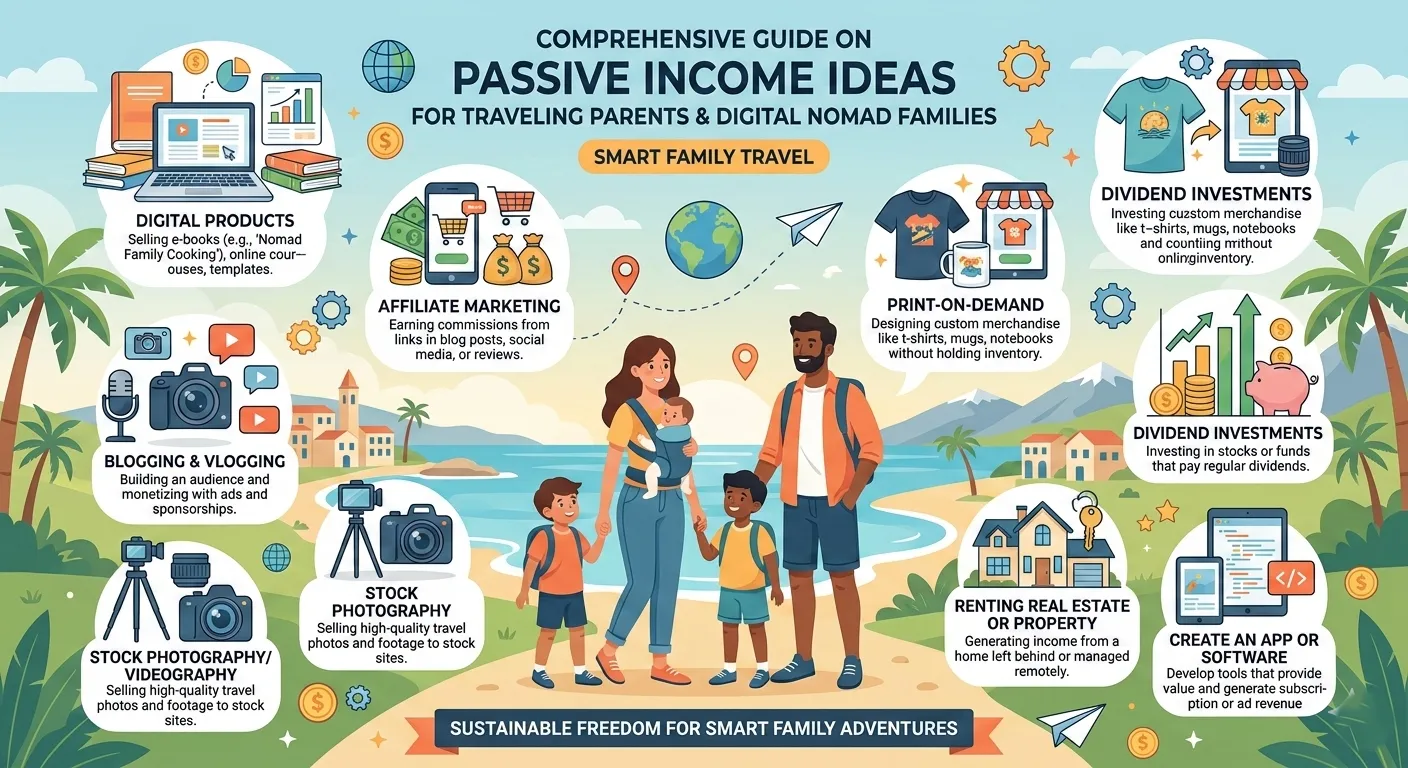
- Passive Income: Do you own a home? Renting it out is one of the most reliable ways to cover your travel accommodation costs.

Can You Make Money as Travel Family Influencers?
Many aspiring nomads look at travel family influencers on Instagram and YouTube and wonder if they can do the same. While "making it" as an influencer takes time and consistency, it is a viable long-term funding strategy.
However, a word of caution: don't rely on this to fund your first year. Building an audience that brands want to pay for usually takes 12 to 24 months of daily content creation. Instead of aiming for "fame," focus on building a niche blog or a small, engaged community. Many of the best family travel blogs started as simple journals and eventually grew into affiliate marketing powerhouses that fund the family's entire lifestyle.
Drastic Cost-Cutting: The "Pre-Travel" Phase
If you aren't working remotely, you'll need to rely on a "travel fund." To build this, you must be aggressive in your savings phase.
- The "Stuff" Liquidation: Sell the cars, the furniture, and the designer clothes. Not only does this add thousands to your fund, but it also lightens your mental load.
- Cancel Subscriptions: If you aren't using it, lose it. This includes gym memberships, streaming services, and wine clubs.
- Downsize Early: Move into a smaller apartment or move back with family for six months before you depart. The thousands saved in rent can fund three months of travel in Bali.
For more specific tips on cutting down the largest travel expense, see our guide on How to Save Money on Family Flights.
Strategic Use of Points and Miles (Travel Hacking)
If you want to know how to fund a year of family travel efficiently, you must master the art of credit card rewards. For a family of four, airfare is often the biggest financial hurdle. By strategically opening credit cards with high sign-up bonuses, you can effectively "erase" the cost of long-haul flights.
We have managed to fly our entire family across the Atlantic multiple times using nothing but points. This allows us to reallocate our "flight budget" toward better experiences, like hot air ballooning in Cappadocia or private surf lessons in Costa Rica.

Value Section: Expert Tips for Financial Peace of Mind
Transitioning to a nomadic life involves more than just having money in the bank; it’s about financial systems.
- The Three-Account System: Keep one account for daily spending, one for emergency savings, and one "back home" account for fixed bills. Use a fee-free international card like Revolut or Wise to avoid getting slaughtered by bank fees.
- Insurance is an Investment: Never travel without comprehensive family travel insurance. One major medical incident in a country like the USA or Singapore can end your travels instantly.
- Slow Travel is Cheap Travel: The faster you move, the more you spend. Staying in one place for 30 days or more usually unlocks "monthly discounts" on Airbnb (often 30-50% off) and reduces your transport costs significantly.
While funding is crucial, don't forget the emotional and developmental side of this journey. Weighing the Pros and Cons of Raising Kids Abroad is just as important as balancing the checkbook.
FAQ
1. How much money should I save before starting a year of family travel? Ideally, you should have at least 6 months of living expenses saved as a "runway," even if you plan to work remotely. For a family of four, a $20,000 to $30,000 safety net provides significant peace of mind.
2. Is it possible to do budget family travel in expensive regions like Scandinavia? Yes, but it requires a different approach. Focus on campervan rentals, grocery store meals instead of dining out, and utilizing free public nature reserves. Your daily cost will be higher, so balance it with several months in cheaper regions.
3. Do travel family influencers actually make enough to live on? The top 5% make a very comfortable living through sponsorships and ad revenue. However, most nomadic families fund their lives through "boring" remote jobs (coding, marketing, teaching) rather than social media fame.
4. What is the biggest hidden cost of traveling for a year? Transaction fees and currency exchange rates. If you aren't careful, you can lose 3-5% of your total budget just by using the wrong bank cards or ATMs.
5. How do you handle taxes while traveling the world? Tax residency is complex. Generally, you remain a tax resident of your home country unless you establish residency elsewhere. Always consult with a cross-border tax specialist to avoid "double taxation."
AdSense Placeholder (728x90 or 300x250)
Join Our Nomad Family
Get weekly tips on smart family travel, remote work strategies, and homeschooling resources delivered straight to your inbox.
We respect your privacy. Unsubscribe at any time.
Related Articles