Pros and Cons of Raising Kids Abroad
Pendahuluan
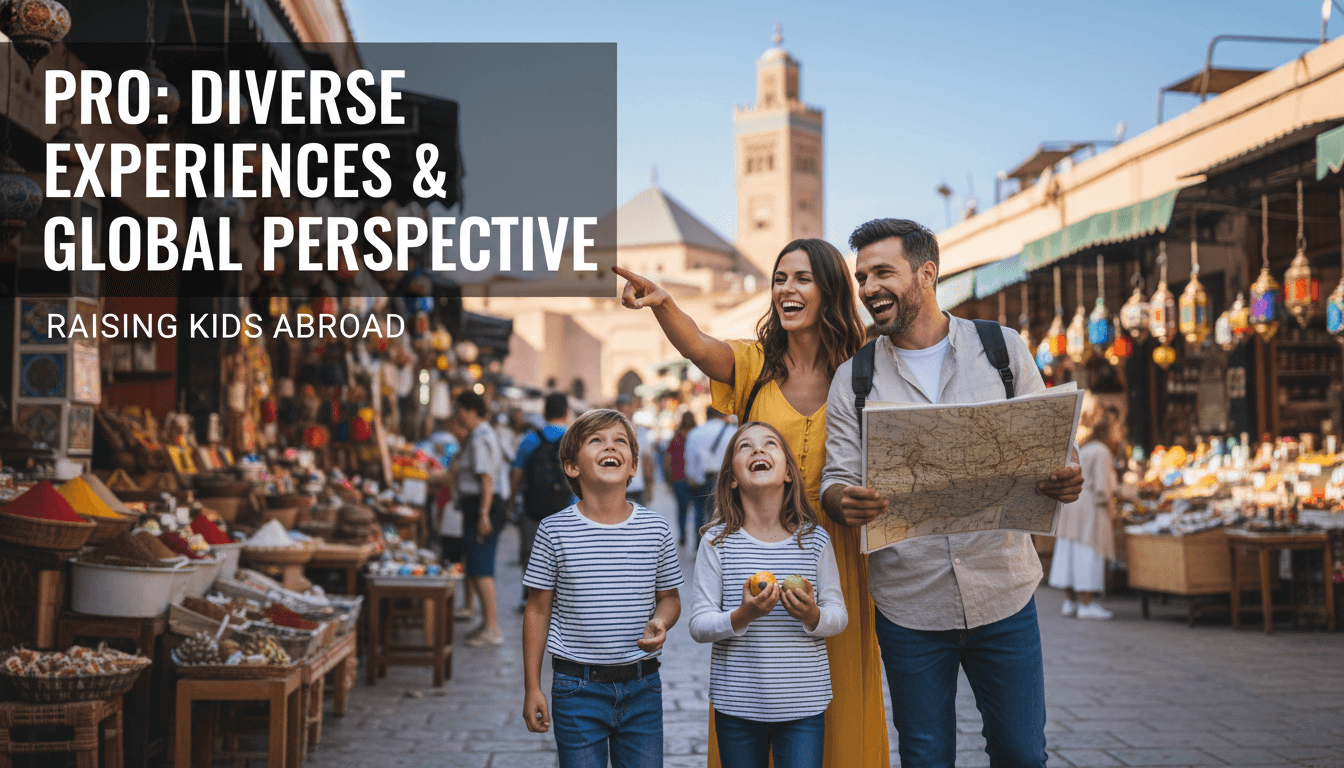
The dream usually starts with a sunset over a Balinese rice terrace or a cozy afternoon in a Portuguese cafe. You imagine your children effortlessly speaking three languages, navigating foreign subways like pros, and developing a worldview that no textbook could ever provide. As a digital nomad family, we have lived this reality, and we know that the transition from a traditional life to a global one is both exhilarating and terrifying.
However, behind the Instagram-perfect photos lies a complex web of logistics, emotional hurdles, and identity questions. Understanding the pros and cons of raising kids abroad is essential before you sell the house and book a one-way ticket. It isn’t just about a change of scenery; it is a fundamental shift in how your children will perceive the world and their place in it.
This article is part of our comprehensive family travel series. Be sure to check out our Ultimate Guide to Family Travel in 2026 for a complete overview.
The Unrivaled Benefits: Why Raising Kids Abroad is a Superpower
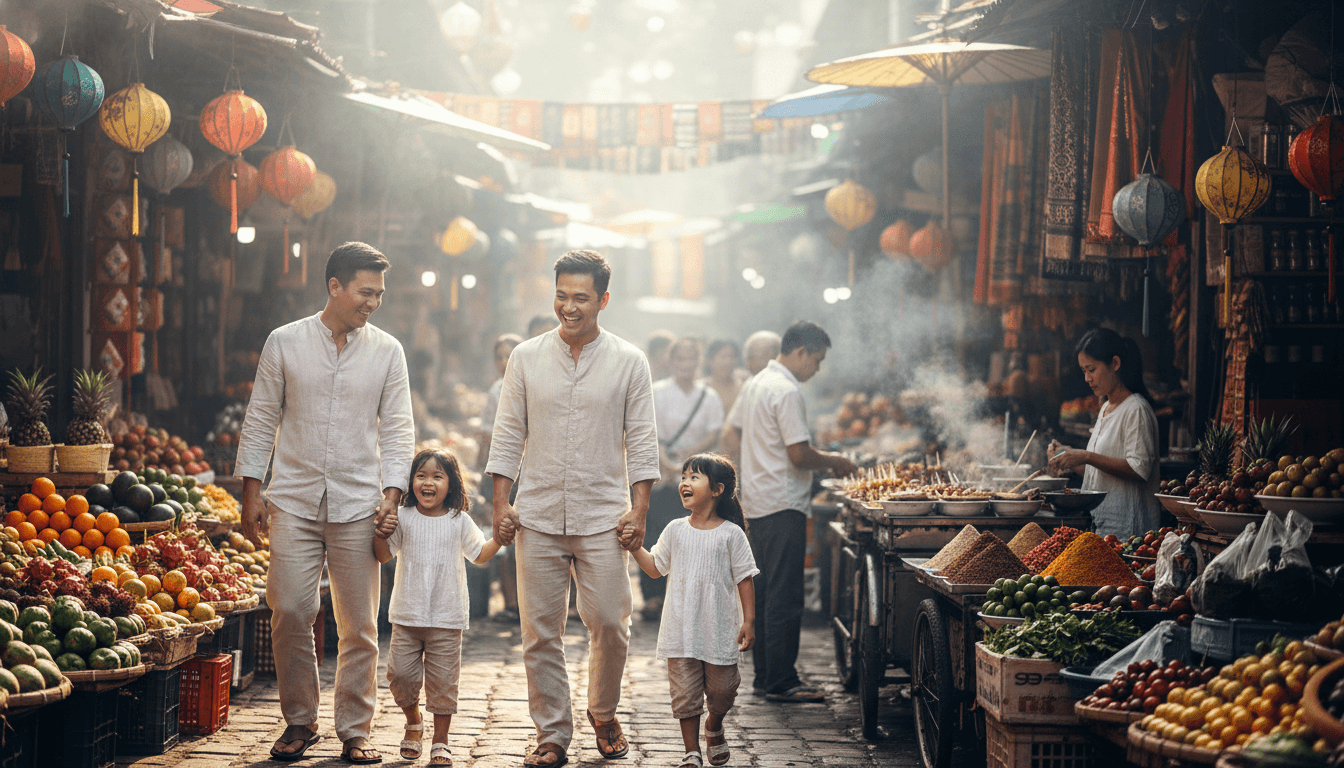
When we look at the advantages, the growth we see in "global kids" is often staggering. The most immediate benefit is cultural intelligence. Children raised outside their home country don't just learn about diversity; they live it. They understand that there isn't just "one way" to do things, which fosters a level of empathy and tolerance that is hard to teach in a homogenous environment.
1. Linguistic Mastery and Cognitive Flexibility
One of the biggest "pros" in the pros and cons of raising kids abroad debate is language acquisition. Young brains are like sponges. By immersing them in a foreign environment, they often pick up the local tongue with an accent-free fluency that adults can only envy. Beyond just communication, bilingualism has been shown to improve problem-solving skills and multi-tasking abilities.
2. Radical Adaptability
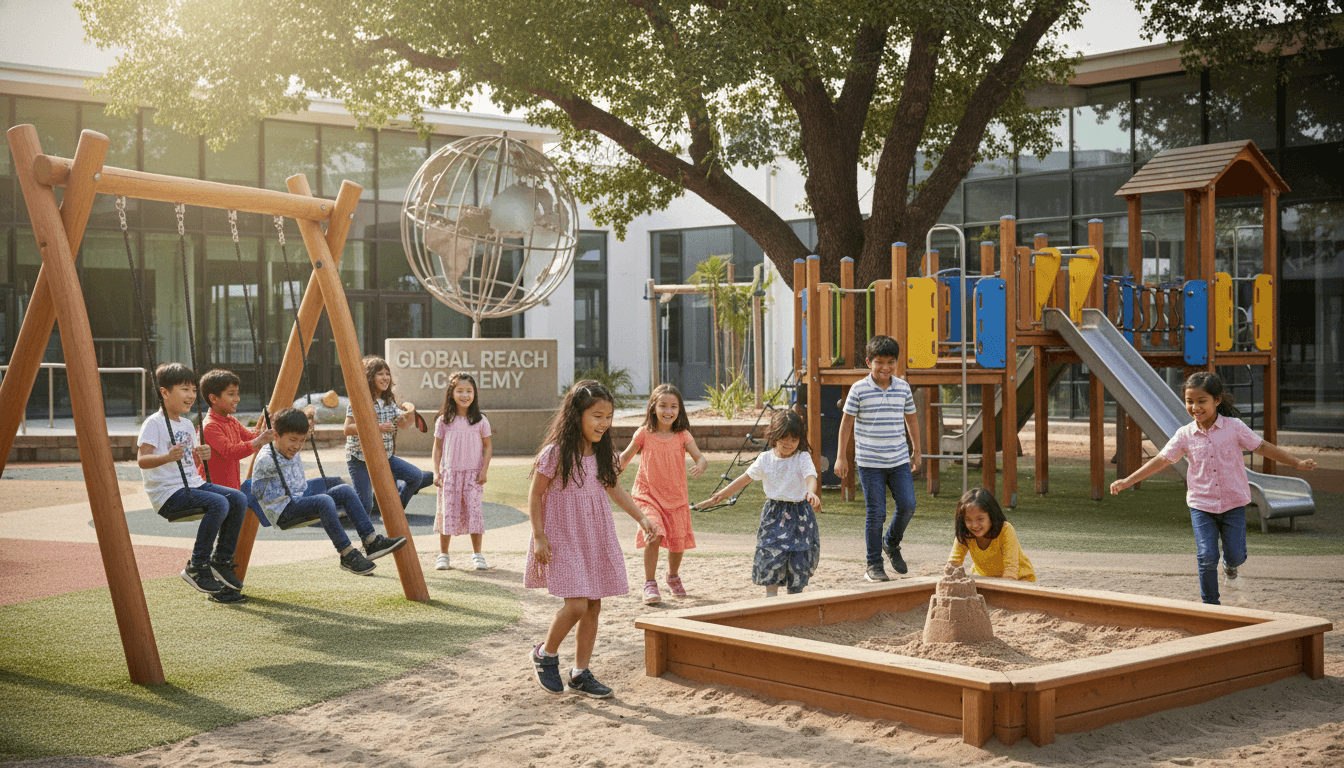
In a world that is changing faster than ever, adaptability is the ultimate currency. Kids who grow up abroad are used to "newness." They know how to make friends in a playground where no one speaks their language. They know how to navigate different food, climates, and social norms. This resilience serves them well into adulthood, making them highly sought after in the modern global workforce.
3. Stronger Family Bonds
When you move abroad, your immediate family becomes your primary support system. Without the "safety net" of nearby grandparents or lifelong neighbors, families often find themselves communicating more deeply and relying on one another in ways they never did back home.
The Hidden Challenges: The "Cons" Nobody Tells You About
It would be dishonest to suggest that raising a family in a foreign land is all sunshine and adventure. The pros and cons of raising kids abroad are often two sides of the same coin. The very thing that makes them "global" can also make them feel "rootless."
1. The "Third Culture Kid" Identity Crisis
Many children raised abroad identify as Third Culture Kids (TCKs). They don't fully relate to their parents' culture, nor do they fully belong to the host culture. While this creates a unique perspective, it can also lead to a sense of not having a "home" to return to. When they visit their "home" country, they often feel like foreigners in their own land.
2. Lack of Generational Support
The "village" it takes to raise a child is often missing when you live abroad. There are no last-minute drop-offs at Grandma’s house when a parent gets sick or needs a date night. This can lead to parental burnout and a sense of isolation for the children who miss out on deep relationships with extended family members.
3. Educational and Healthcare Complexity
Navigating a foreign school system or healthcare bureaucracy can be a nightmare. Whether you choose international schools, local public schools, or homeschooling, each path has significant financial and social implications.
Key Strategies for Success
If you’ve weighed the pros and cons of raising kids abroad and decided to take the leap, you need a strategy. You cannot wing a move of this magnitude when children are involved.
- Preparation is Key: Always plan ahead and research your destination. This includes understanding the visa requirements, the quality of local pediatric care, and the safety of the neighborhoods you are considering.
- Stay Flexible: Things will go wrong, and that's okay. Adaptability is a superpower. Your child might hate the first school you pick, or the local food might cause a month of stomach issues. Being able to pivot without panicking is essential.
- Prioritize Comfort: Happy kids mean happy parents. Don't skimp on the essentials. Whether it's bringing a favorite stuffed animal from home or investing in high-speed internet so they can video call their friends, these small comforts provide the emotional stability needed during a big transition.
Related Resources in Nomad
To further help you on your journey, we highly recommend reading:
Navigating Education and Socialization
One of the most frequent questions we get regarding the pros and cons of raising kids abroad is: "What about school?"
There are three primary paths:
- International Schools: These offer a familiar curriculum (like IB or British A-Levels) and a community of other expat kids. The downside? They are incredibly expensive and can feel like a "bubble."
- Local Schooling: This is the fastest way to fluency and cultural integration. However, it can be a massive shock to the system, especially for older children who have to catch up on language and curriculum differences.
- Homeschooling/Worldschooling: This offers the ultimate flexibility. It allows families to travel indefinitely, but it requires a massive time commitment from parents and a proactive approach to finding social outlets for the kids.
To manage this, many parents utilize Co-Working Spaces That Welcome Families to balance their professional responsibilities with their children's educational needs.

Value Section: Expert Tips for a Smooth Transition
After years of navigating the pros and cons of raising kids abroad, we’ve gathered some "best practices" that can save your sanity:
- The 6-Month Rule: It takes at least six months for a child (and an adult) to feel settled in a new country. Don't judge the success of your move in the first 90 days. The "honeymoon phase" is usually followed by a "frustration phase" before you reach true integration.
- Maintain Rituals: Whether it’s Friday night pizza or a specific bedtime story, keep the rituals from your home country alive. These anchors provide a sense of continuity amidst the external change.
- Be Honest About the Move: Involve your children in the decision-making process. Show them photos of the new house, talk about the cool things they can do, but also acknowledge that it’s okay to feel sad about leaving friends behind.
- Safety First: Always ensure you have the Best Travel Insurance for Families. Knowing that you have access to top-tier medical care in an emergency is the only way to have true peace of mind while living abroad.
The Financial Reality of Global Parenting
While some countries offer a lower cost of living, raising kids abroad often comes with "hidden" costs. You might find yourself paying a premium for imported familiar foods, private English-speaking doctors, or the aforementioned international school fees.
Furthermore, you need to consider the cost of flights back home. For a family of four, an annual trip to visit grandparents can easily cost $5,000 to $10,000 depending on the distance. This is a significant factor when weighing the pros and cons of raising kids abroad.
Exploring Other Aspects of Family Travel
If you're looking to expand your knowledge beyond nomad, you might also find this useful:
Conclusion: Is it Worth It?
Ultimately, the decision to raise your kids abroad is a deeply personal one. The pros and cons of raising kids abroad are balanced by your family's unique goals and temperament. If you value stability, tradition, and proximity to extended family above all else, the expat life might be a struggle.
However, if you want to gift your children the world, to teach them that "different" isn't "scary," and to raise them with a sense of adventure that will last a lifetime, then the challenges are a small price to pay. The world is a massive classroom, and there is no better way to learn than by living the lesson.
FAQ
1. At what age is it easiest to move kids abroad? Generally, younger children (under age 10) adapt more quickly because language acquisition is faster and social hierarchies are less complex. However, teenagers can also benefit immensely, provided they are involved in the process and have ways to stay connected with their friends back home.
2. How do I deal with my child’s homesickness? Acknowledge their feelings rather than dismissing them. Use technology to maintain regular contact with friends and family. Sometimes, creating a Daily Routine of a Traveling Family helps provide the structure they need to feel safe in a new environment.
3. Will raising my child abroad hurt their university chances? Quite the opposite. Many universities highly value the perspective of "global citizens" and TCKs. International school curriculums are often rigorous and well-respected by top-tier institutions worldwide.
4. How do we handle healthcare in a foreign country? Always research the healthcare system of your destination before moving. In many countries, private healthcare is affordable and high-quality. Ensure you have a comprehensive policy by checking the Best Travel Insurance for Families.
5. How do kids make friends when moving frequently? Look for expat communities, join local sports clubs, or use "worldschooling" hubs. Children are remarkably resilient and often find common ground through play long before they share a common language.
AdSense Placeholder (728x90 or 300x250)
Join Our Nomad Family
Get weekly tips on smart family travel, remote work strategies, and homeschooling resources delivered straight to your inbox.
We respect your privacy. Unsubscribe at any time.
Related Articles