Co-Working Spaces That Welcome Families
The New Reality of the Working Parent
The dream of the digital nomad lifestyle often features a solo traveler with a laptop on a beach. But for many of us, the reality involves a stroller, a diaper bag, and a toddler who decides to have a meltdown exactly when a high-stakes Zoom call begins. Finding co-working spaces that welcome families isn't just a luxury anymore; for the modern remote-working parent, it is a survival strategy.
As a digital nomad family, we know how important it is to have the right information when traveling with kids. The isolation of working from a cramped Airbnb bedroom while your partner tries to keep the kids quiet in the next room is a recipe for burnout. Fortunately, the global landscape of work is shifting. A new wave of "family-first" hubs is emerging, bridging the gap between professional productivity and mindful parenting.
This article is part of our comprehensive family travel series. Be sure to check out our Ultimate Guide to Family Travel in 2026 for a complete overview.
The Evolution of the Daycare Coworking Space
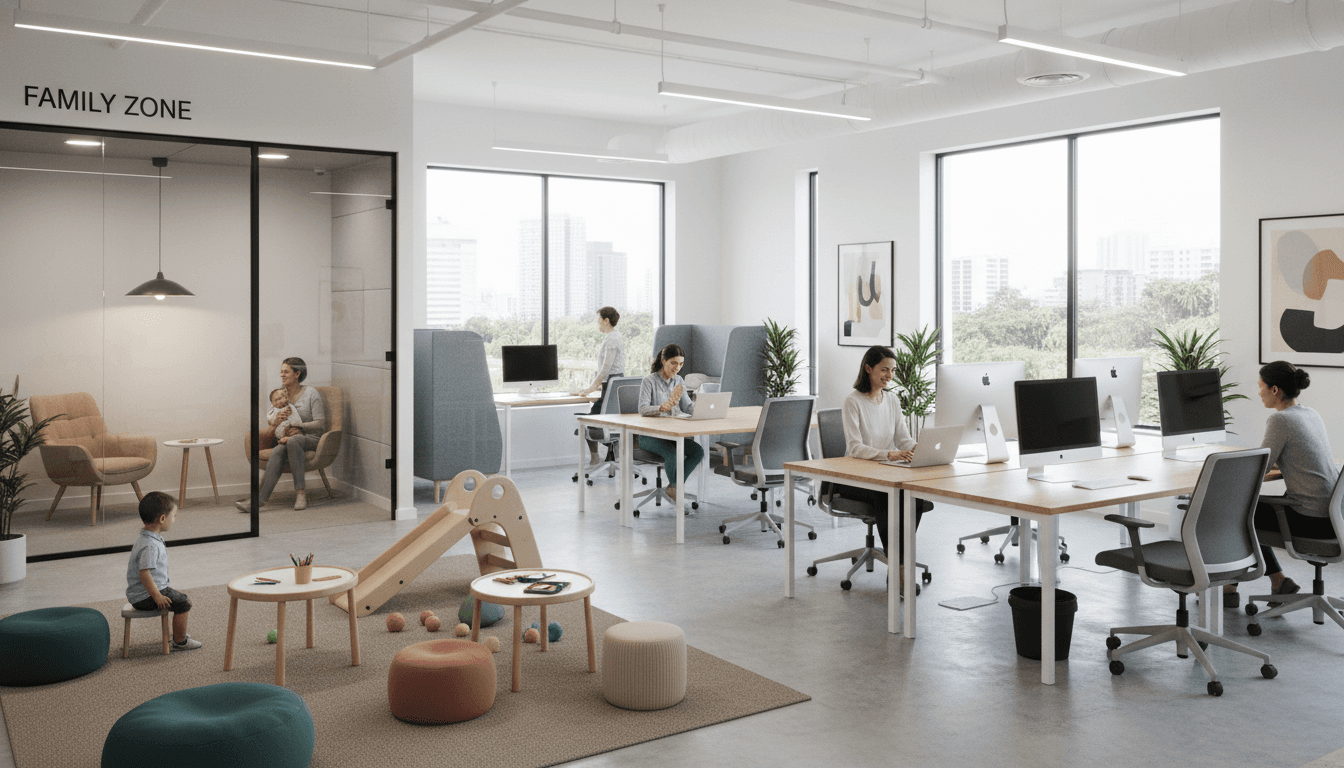
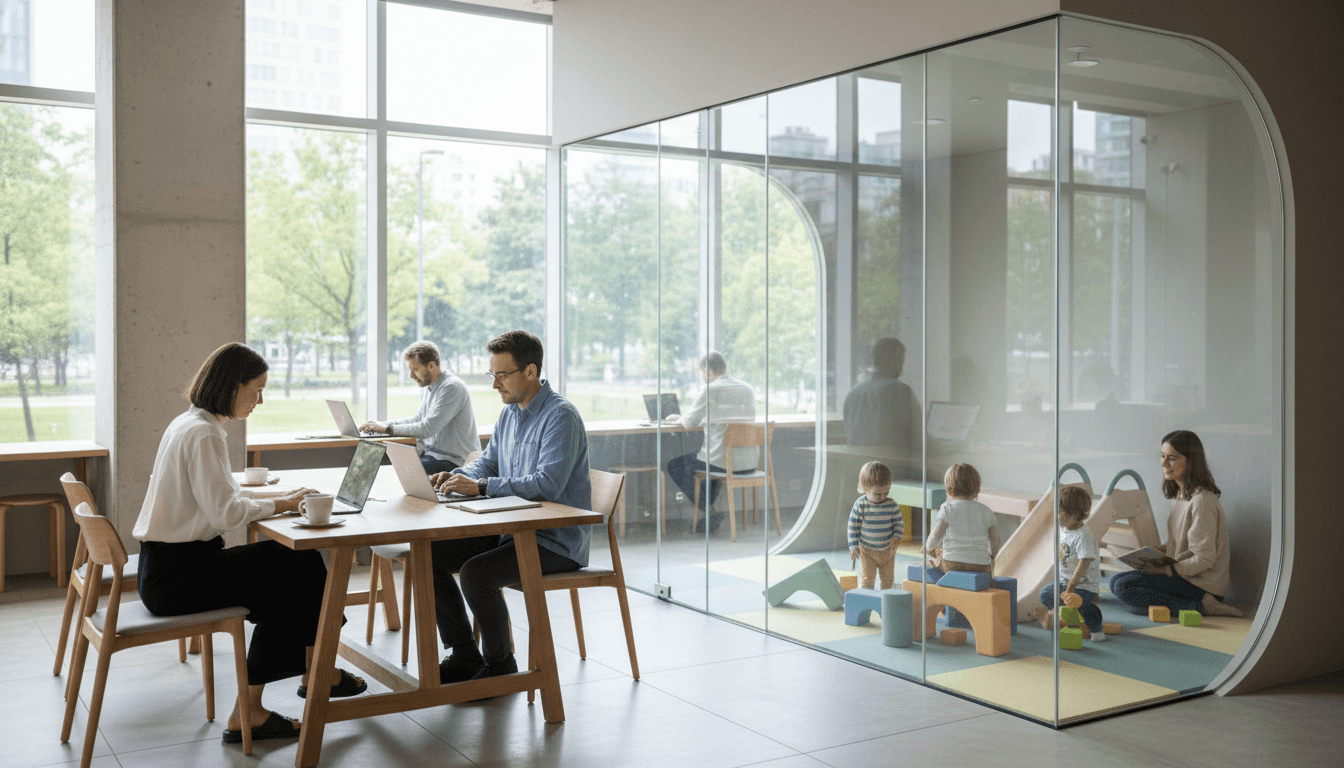
Gone are the days when "family-friendly" just meant a high chair in the corner of a cafe. Today, a dedicated daycare coworking space offers a sophisticated ecosystem. These venues provide soundproof offices for parents and high-quality, educational childcare for kids, often within the same building but in separate, secure zones.
The genius of this model lies in the proximity. You are close enough to breastfeed or grab lunch with your child, but far enough away to enter a "deep work" state. These spaces understand that parents are more productive when they aren't worried about their child's safety or engagement. They provide the infrastructure—high-speed internet, ergonomic chairs, and bottomless coffee—while simultaneously offering a curriculum-based environment for the little ones.
Why Big and Tiny Coworking is Leading the Charge
When discussing pioneers in this niche, Big and Tiny coworking is often the first name that comes up. They recognized early on that the traditional office is hostile to parents and traditional daycare is often inconvenient for freelancers. By creating a boutique space that feels like a high-end design studio rather than a primary school, they’ve set a new standard.
What makes models like Big and Tiny coworking successful is their focus on community. It’s not just about a desk and a babysitter; it’s about networking with other "parent-preneurs." When you join these spaces, you are surrounded by people who understand the unique struggle of scaling a business while raising a human. This shared experience fosters a level of professional and emotional support that you simply won't find at a standard WeWork.

How a Work and Daycare Center Operates
If you’ve never used a work and daycare center, the logistics might seem daunting. Typically, these spaces operate on a membership or drop-in basis. Upon arrival, you check your child into the "play" or "education" wing, which is staffed by certified early childhood educators. You then head to the "work" wing.
Most centers implement a strict "no-interruption" policy in the work zone. However, they often have scheduled "family hours" or communal lunch breaks. This structure ensures that your billable hours remain sacred while your child enjoys a structured day of sensory play, art, and socialization. It’s a win-win: the child gets a break from the "travel life" to engage with peers, and the parent clears their to-do list before dinner.
Essential Preparation for the Nomadic Parent
Traveling with kids requires smart planning, especially when you are balancing remote work and family life. If you are planning to utilize co-working spaces that welcome families during your next trip, you need a solid game plan.
1. Preparation is Key
Always plan ahead and research your destination. Not every city has a dedicated family co-working hub yet. Before you book your flights, map out the nearest work and daycare center. Check their age requirements—some take infants, while others require children to be potty-trained. Reach out via email to confirm availability, as these spots often have waiting lists.
2. Stay Flexible
Things will go wrong, and that's okay. Adaptability is a superpower. Your child might have a "clings-to-your-leg" day, or the co-working space might have a power outage. When you work and travel, your schedule should be written in pencil, not ink. Build "buffer days" into your work week where no major deadlines are due, just in case the transition to a new space takes longer than expected.
3. Prioritize Comfort
Happy kids mean happy parents. Don't skimp on the essentials. If a co-working space doesn't provide a nap area, ensure your child has their favorite blanket or a portable travel crib. A comfortable child is a quiet child, which directly impacts your ability to focus.

Navigating the Challenges of the Nomad Life
While the rise of co-working spaces that welcome families makes life easier, the lifestyle still has its hurdles. To further help you on your journey, we highly recommend reading:
Raising a "third-culture kid" while maintaining a career requires a delicate balance of ambition and patience. Some weeks, you’ll feel like a productivity god; other weeks, you’ll feel like you’re failing at both work and parenting. Having a dedicated space to go to helps anchor your routine and provides a much-needed sense of "normalcy" in an ever-changing nomadic life.
Value Section: Best Practices for Choosing a Space
Not all co-working spaces that welcome families are created equal. When vetting a potential workspace, look for these "Expert-Level" indicators:
- Safety Credentials: Does the childcare area have gated entries and background-checked staff?
- Acoustic Separation: Can you hear the kids screaming from the "quiet zone"? If yes, the layout isn't optimized for deep work.
- Community Events: Do they host workshops or "parent mixers"? A good space should help you build a local network.
- Trial Periods: Look for spaces that offer a half-day trial. It’s important to see how your child reacts to the environment before committing to a monthly fee.
- Internet Reliability: As a nomad, this is your lifeline. Always check recent reviews regarding their Wi-Fi stability.
If you're looking to expand your knowledge beyond nomad logistics, you might also find this useful:

The Future of Family-Centric Work
As we look toward the future, the demand for a work and daycare center in every major city is only going to grow. The "Great Resignation" and the shift toward freelance economies mean that more parents are taking control of their schedules. They are no longer willing to choose between a career and being present for their children's milestones.
Companies are also starting to realize that providing access to these spaces is a massive employee retention tool. We expect to see more "digital nomad visas" including provisions or partnerships with local family-friendly co-working brands. The world is becoming smaller, and for the working parent, it is becoming much more accessible.
FAQ
1. Are co-working spaces that welcome families more expensive? Generally, yes. You are paying for two services: professional office space and licensed childcare. However, when compared to the cost of a private nanny plus a separate co-working membership, a combined daycare coworking space is often more cost-effective and convenient.
2. What age groups do these spaces typically cater to? Most spaces, such as Big and Tiny coworking, cater to children from 6 months to 6 years old. Some specialized centers offer after-school programs for older children, providing them with a space to do homework while parents finish their workday.
3. Do I have to stay on-site while my child is in the daycare section? In many jurisdictions, legal regulations for "drop-in" childcare require the parent to remain on the premises. This is actually a benefit for many, as it allows for quick check-ins and shared lunch breaks without the commute.
4. How do I find these spaces in smaller cities? While major hubs like London, New York, and Bali have well-known options, smaller cities might not. Look for "Mommy and Me" groups or local Facebook groups for digital nomads. Often, local communities set up informal "co-working co-ops" where parents take turns watching the kids.
5. Can I use a work and daycare center if I only need it for one day? Many spaces offer "Day Passes" specifically for traveling families. However, it is highly recommended to book at least 48 hours in advance, as childcare ratios are strictly regulated and spaces fill up quickly.
AdSense Placeholder (728x90 or 300x250)
Join Our Nomad Family
Get weekly tips on smart family travel, remote work strategies, and homeschooling resources delivered straight to your inbox.
We respect your privacy. Unsubscribe at any time.
Related Articles