Daily Routine of a Traveling Family
The Myth vs. Reality of Nomadic Family Life
If you scroll through Instagram, you might think the daily routine of a traveling family consists of waking up in a beachfront villa, eating exotic fruit for breakfast, and spending the afternoon snorkeling with sea turtles. While those moments definitely happen, the reality of a full time traveling family is often much more grounded—and sometimes, much more chaotic.
The transition from a stationary life to one of constant movement requires a fundamental shift in how you view "home." For us, home isn't a zip code; it’s the rhythm we carry with us. Whether we are in a cramped apartment in Tokyo or a spacious bungalow in Portugal, our routine is the anchor that keeps our children feeling secure and our business running smoothly.
This article is part of our comprehensive family travel series. Be sure to check out our Ultimate Guide to Family Travel in 2026 for a complete overview.
In the following sections, we will pull back the curtain on how we actually spend our 24 hours. We’ll discuss how to balance "deep work" with "toddler tantrums" and why travelling around the world with kids is 10% vacation and 90% lifestyle management.

The Morning Rhythm: Balancing Work and Play
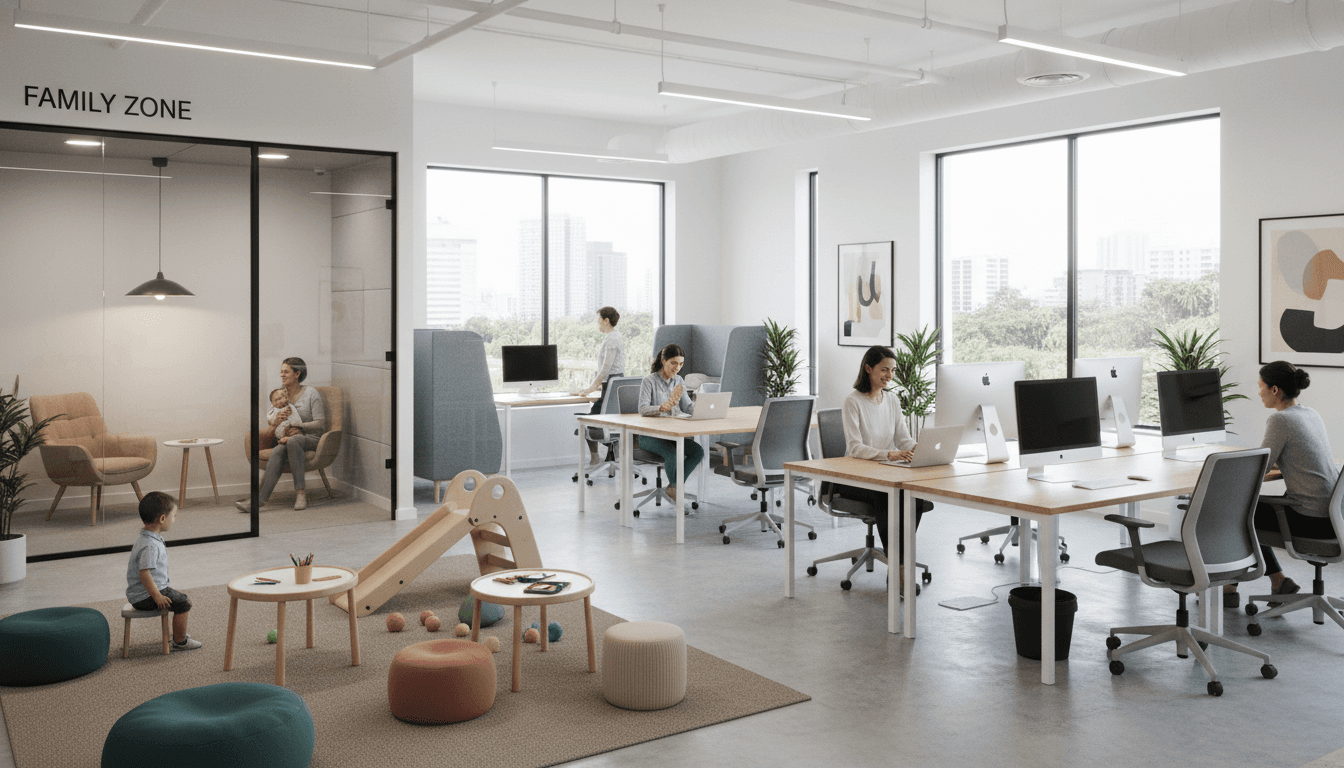
The secret to a successful daily routine of a traveling family starts before the kids even wake up. For digital nomad parents, the early morning is often the only time for focused, uninterrupted work.
Most nomadic parents we know follow a "split-shift" schedule. One parent might handle the early morning work block while the other handles the breakfast routine. This ensures that the business stays afloat without neglecting the children’s need for a structured start to their day.
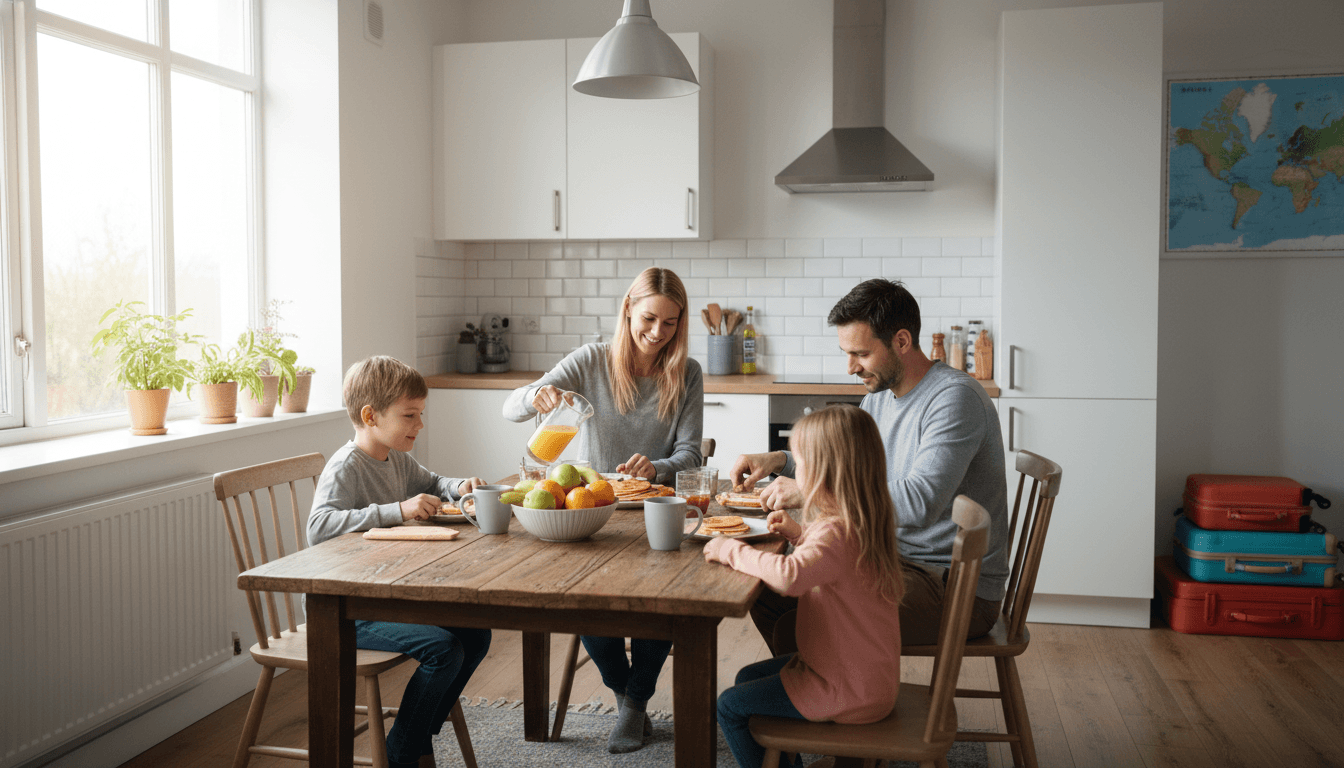
When you are learning how to travel full time with kids, you quickly realize that children crave consistency. We try to keep our breakfast rituals identical to what they were back home. Whether it's a specific brand of cereal or a morning song, these small cues signal to the kids that despite the new scenery outside the window, their world is still safe and predictable.
Midday Management: Education and Exploration
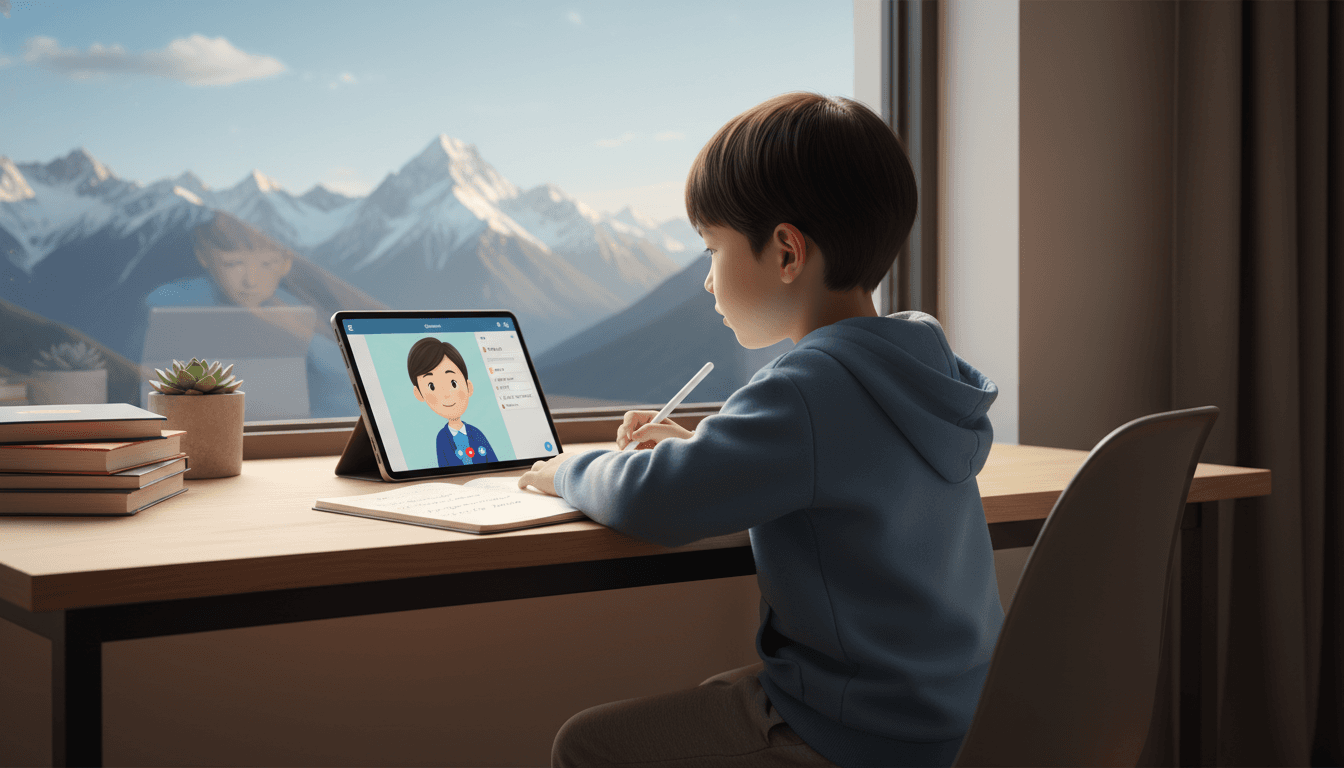
By 10:00 AM, our focus shifts. For a full time traveling family, education isn't something that only happens within four walls. We embrace "worldschooling," which means the local museum, the neighborhood market, or even a hike in a national park becomes our classroom.
However, we also need structure. Many families utilize Online School Options for Traveling Families to ensure their children meet core academic standards. A typical midday block might look like this:
- 10:00 AM – 12:00 PM: Core academics (Math, Reading, Language) or a visit to a local cultural site.
- 12:00 PM – 1:30 PM: Lunch at a local eatery. This is a great time to practice local language skills and try new foods.
- 1:30 PM – 3:00 PM: Quiet time or "siesta." Even older kids need a break from the sensory input of a new city.
This balance is crucial. If you spend every waking hour sightseeing, you will quickly hit a wall. Travelling around the world with kids is a marathon, not a sprint.
The Afternoon Slump: Rest and Admin Tasks
Around 3:00 PM, the "travel fatigue" usually sets in. This is the part of the daily routine of a traveling family that nobody talks about: the admin. Living on the road involves a surprising amount of logistics.
During this time, while the kids are engaged in quiet play or watching a movie, we handle the "boring" stuff:
- Booking the next stay: Researching neighborhoods and reading reviews.
- Visa management: Checking requirements for the next border crossing. If you're looking for stability, consider the Best Countries With Digital Nomad Visa for Families.
- Meal planning: Finding a local grocery store to stock up on healthy snacks.
If we ignore these tasks, the stress builds up. A successful daily routine of a traveling family must account for the time it takes to simply exist in a foreign country. Everything takes longer—from finding a laundromat to figuring out how the microwave works in a new Airbnb.
Evening Rituals: Creating a Sense of Home Anywhere
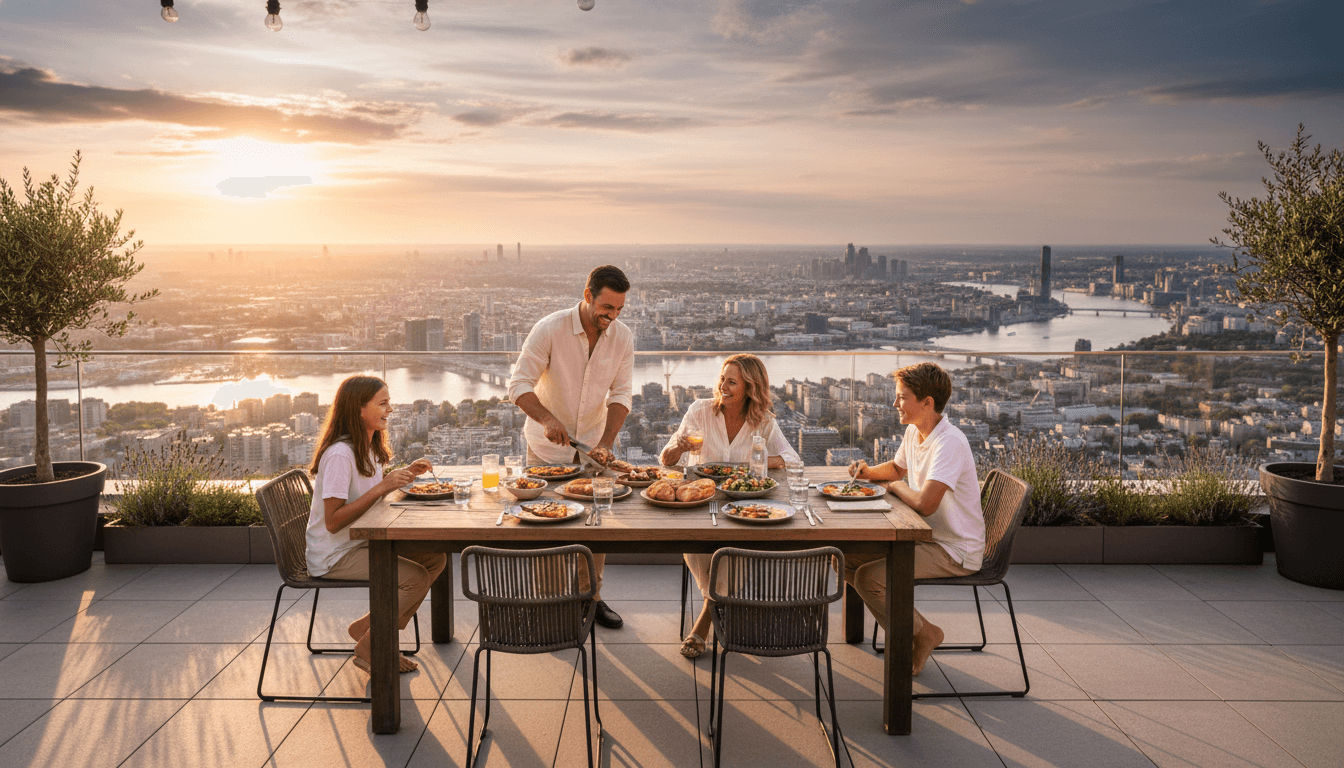
As the sun sets, we shift back into "family mode." We’ve found that having a solid evening routine is the best way to prevent meltdowns. No matter where we are, we follow the same three-step process: Dinner, Bath, and Books.
This is also the time when we reflect on the day. We ask our children what their favorite part of the new city was. This practice helps them process their experiences and reduces the anxiety that can come with travelling around the world with kids.
If we are in a country with a vibrant evening culture, like Spain or Italy, we might adjust the timing, but the sequence remains the same. Consistency in the daily routine of a traveling family is the ultimate tool for emotional regulation.
Key Strategies for a Sustainable Nomadic Lifestyle
To make this lifestyle work long-term, you need more than just a schedule; you need a strategy. Here are the top things you need to know:
- Preparation is Key: Always plan ahead and research your destination. This includes knowing where the nearest pediatric clinic is and which neighborhoods are truly "family-friendly."
- Stay Flexible: Things will go wrong, and that's okay. A flight might be delayed, or a kid might get a stomach bug. Adaptability is a superpower in the daily routine of a traveling family.
- Prioritize Comfort: Happy kids mean happy parents. Don't skimp on the essentials. Whether it's a familiar stuffed animal or a high-quality travel stroller, comfort items are worth the luggage space.
Value Section: Pro-Tips for Long-Term Success
The "Slow Travel" Philosophy
The biggest mistake new nomadic families make is trying to see too much too fast. When you are travelling around the world with kids, we recommend staying in one location for at least 4 to 8 weeks. This allows you to establish a local daily routine of a traveling family, find a favorite coffee shop, and let the kids make local friends.
The "Zero Day" Concept
In our schedule, we designate one day a week as a "Zero Day." On this day, we do no sightseeing, no "educational" trips, and no heavy work. We stay in our pajamas, eat pancakes, and play board games. This is essential to How to Avoid Travel Burnout With Kids.
Budgeting for Sanity
When calculating your costs, always include a "sanity fund." This is money set aside for a babysitter, a co-working space pass, or a taxi when you're too tired to navigate the subway. These small investments keep the daily routine of a traveling family from becoming a daily struggle.
How to Travel Full Time with Kids Without Losing Your Mind
If you are wondering how to travel full time with kids, the answer lies in boundaries. You must set boundaries between work time and family time. When we are working, we are 100% focused on our business. When we are with our kids, the phones go away.
It’s also important to involve the kids in the planning. Let them choose one activity a week. This gives them a sense of agency and makes them more cooperative during the "boring" parts of the daily routine of a traveling family, like travel days or grocery shopping.
Finally, remember why you started. You didn't choose this life to be stressed; you chose it for freedom and connection. When the routine feels heavy, take a step back and look at the incredible world you are showing your children.
FAQ
1. How do you handle socialization for the kids? Socialization is a common concern for any full time traveling family. We use "Worldschooling" hubs, local playgrounds, and Facebook groups for traveling families. You'd be surprised how many other families are doing the same thing!
2. Is it more expensive to travel full-time than to live in one place? It depends on your destination. By choosing countries with a lower cost of living and practicing slow travel, many families find it cheaper than living in a major city like London or New York.
3. What about healthcare while traveling? We carry international health insurance specifically designed for nomads. We also research local hospitals before arriving in a new country to ensure they meet our standards.
4. Do the kids ever get homesick? Yes, occasionally. We handle this by scheduling regular video calls with grandparents and friends. We also carry a few "home" items, like specific bedsheets or favorite toys, to provide comfort.
5. How do you maintain a work-life balance? It’s a constant juggle. The daily routine of a traveling family requires strict time-blocking. We treat our work hours like a traditional office job to ensure we get things done, which then frees us up for family adventures.
AdSense Placeholder (728x90 or 300x250)
Join Our Nomad Family
Get weekly tips on smart family travel, remote work strategies, and homeschooling resources delivered straight to your inbox.
We respect your privacy. Unsubscribe at any time.
Related Articles