Online School Options for Traveling Families
The dream of waking up in a Parisian apartment or a beachside villa in Bali is often tempered by a single, nagging question for parents: “What about the kids' education?” For years, the choice was binary—either stay home for stability or take a massive risk with "roadschooling" that might leave gaps in their learning.
Thankfully, the landscape has shifted. Today, finding high-quality online school options for traveling families is not just possible; it’s becoming the preferred choice for a new generation of location-independent parents. Whether you are a seasoned digital nomad or planning your first gap year, the ability to carry a world-class curriculum in a backpack is the ultimate "cheat code" for modern parenting.
This article is part of our comprehensive family travel series. Be sure to check out our Ultimate Guide to Family Travel in 2026 for a complete overview of how to navigate the world with your tribe.
The Evolution of Learning: Why Online School is the Nomad’s Best Friend
In the past, traveling families had to rely heavily on physical textbooks and parental instruction. While this works for some, many parents find that they aren't naturally suited to be full-time teachers. This is where professional online school while traveling fills the gap. These programs provide the structure of a traditional classroom, the expertise of certified teachers, and the flexibility of a digital interface.
The primary benefit of exploring various online school options for traveling families is the consistency it provides. When a child’s physical environment is constantly changing—new languages, new climates, new time zones—having a familiar digital classroom and a steady curriculum provides a much-needed emotional and intellectual anchor.
1. Accredited Private Online Schools (The Gold Standard)
For families who want to ensure their children can seamlessly transition back to traditional schools or gain entry into top universities, accredited private online schools are the top choice. These institutions often offer the same rigorous standards as elite physical private schools but are delivered via sophisticated Learning Management Systems (LMS).
Programs like Laurel Springs or Pearson Online Academy offer flexible scheduling, which is crucial when you are crossing oceans. These traveling school programs allow students to log in and complete work at their own pace, making it easier to manage a 12-hour time difference.
Pros:
- High academic standards and university recognition.
- Dedicated teachers and counselors.
- Clear transcripts and graduation paths.
Cons:
- Can be expensive (tuition-based).
- Less flexibility than pure "unschooling" models.
2. Public Virtual Schools (The Budget-Friendly Choice)
If you maintain a legal residence in a specific state or country, you may have access to state-funded public virtual schools. In the United States, programs like K12 or Connections Academy provide a tuition-free education that follows state standards.
However, using this as an online school while traveling can be tricky. Many public programs require students to be physically present in the state for standardized testing or have strict "attendance" windows that don't align with international travel. If you choose this route, always check the residency requirements to avoid legal headaches.

3. The Traveling School Concept: Hybrid and Modular Learning
One of the most exciting developments in the nomad community is the rise of The Traveling School model. This isn't just one institution, but a philosophy where education is modular.
Instead of one rigid curriculum, families use a mix of:
- Core Subject Platforms: Like Khan Academy or IXL for math and English.
- Specialized Tutors: Using platforms like Outschool for live, interest-based classes.
- Experiential Learning: Using the destination as a classroom (e.g., studying the Renaissance while in Florence).
This hybrid approach is often what people mean when they look for versatile traveling school programs. It allows the education to bend around the itinerary, rather than the other way around.
To further help you on your journey, we highly recommend reading our Homeschooling While Traveling: Complete Guide for more on the modular approach.
4. International Baccalaureate (IB) Online Programs
For the truly global citizen, the IB program is unmatched. It is recognized by universities worldwide and focuses on critical thinking and global perspectives—perfect for children who are seeing the world firsthand.
Several institutions now offer the IB curriculum entirely online. This is one of the most robust online school options for traveling families who plan to live abroad long-term or eventually settle in a country different from their origin.
5. Subscription-Based Mastery Platforms
If you prefer a "deconstructed" school, subscription platforms offer a high level of autonomy. Platforms like Adventure Academy or Time4Learning provide comprehensive, grade-level content that kids can navigate independently.
These are excellent for younger children (Pre-K through Middle School) because they often gamify the learning process. When you are busy navigating a new city or setting up a remote office, having an engaging online school while traveling that kids want to use is a lifesaver.

Essential Logistics: Making Online School Work on the Road
Choosing the right program is only half the battle. The real challenge is the day-to-day execution. Here are the strategies we’ve found essential:
Prioritize Your Tech Stack
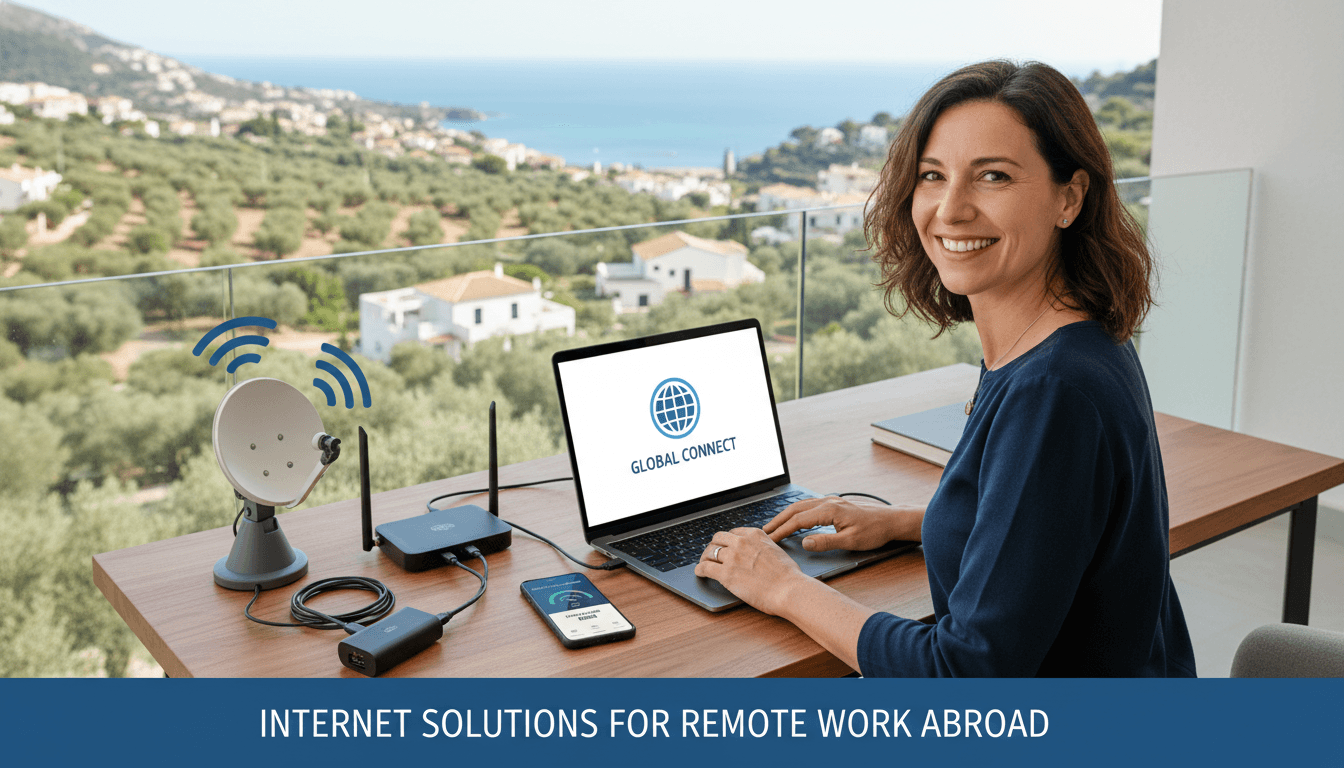
You cannot rely on hotel Wi-Fi. If you are serious about traveling school programs, you need a backup. We recommend a high-quality global hotspot and ensuring every child has a durable, lightweight laptop (Chromebooks are often sufficient for younger kids).
Master the Time Zones
If your chosen online school options for traveling families involve live classes (synchronous learning), you must plan your destinations accordingly. Trying to have a 10-year-old attend a live math class at 3:00 AM because you moved from New York to Thailand is a recipe for burnout.
Create a "School Zone"
Even if it’s just a specific corner of a cafe or a foldable desk in your Airbnb, kids need a dedicated space to signal to their brains that it is "school time." This psychological boundary is vital for focus.
If you're looking to expand your knowledge beyond nomad logistics, you might also find our guide on How to Avoid Travel Burnout With Kids useful for maintaining family harmony.
Value Section: The Expert’s Guide to Socialization and Community
The biggest myth about online schooling is that kids become "unsocialized." In fact, traveling kids often have higher social intelligence because they interact with people of all ages and cultures. However, they do need "peer" time.
How to Build Community on the Move:
- Worldschooling Hubs: Look for temporary hubs in places like Bansko, Bali, or Mexico where nomadic families gather for weeks at a time.
- Local Extracurriculars: Enroll your kids in a local soccer club, art class, or martial arts dojo. Language barriers don't matter as much in sports and play.
- Digital Hangouts: Many traveling school programs have built-in social clubs, Minecraft servers, or moderated forums where students can build long-term friendships.
Choosing the Right Path Based on Your Travel Style:
- The Fast Traveler: Needs asynchronous, "work at your own pace" programs.
- The Slow Nomad: Can handle structured, live-class schedules.
- The Cultural Immersionist: Might benefit from a mix of online core subjects and local part-time tutoring.
Don't forget to check our list of the Best Countries With Digital Nomad Visa for Families to find destinations that make this lifestyle legally easier.
FAQ
1. Is online school as effective as traditional school? Yes, and in some cases, more so. Online education allows for personalized pacing. A student can fly through subjects they find easy and spend extra time on challenging ones, often leading to better mastery of the material.
2. How do I handle state testing requirements while abroad? If you are enrolled in a public virtual school, you may have to return home for testing. However, if you register as a homeschooler in many jurisdictions, you can often use standardized online tests or teacher evaluations to satisfy legal requirements.
3. Can my child get into college with an online diploma? Absolutely. As long as the online school options for traveling families you choose are properly accredited, universities treat the diploma the same as one from a physical school. In fact, admissions officers often find the "travel" aspect of a student's background fascinating.
4. What is the best age to start online school while traveling? While it can be done at any age, many families find the "sweet spot" to be between ages 7 and 14. Younger children require more parental hands-on time, while high schoolers need more specialized support for college prep.
5. How much does a typical traveling school program cost? Costs range from $0 (public virtual schools) to $15,000+ per year for elite private academies. Many families find a middle ground with subscription services costing $20–$100 per month.
Final Thoughts
Transitioning to online school options for traveling families is a journey of trial and error. What works for a family in a campervan in Portugal might not work for a family in a high-rise in Tokyo. The key is to remain flexible, prioritize your child’s mental well-being over rigid grades, and remember that the world itself is the greatest teacher they will ever have.
By choosing the right traveling school programs, you aren't just giving your child an education; you are giving them a global perspective that no four-walled classroom could ever replicate.
AdSense Placeholder (728x90 or 300x250)
Join Our Nomad Family
Get weekly tips on smart family travel, remote work strategies, and homeschooling resources delivered straight to your inbox.
We respect your privacy. Unsubscribe at any time.
Related Articles