How to Handle Medical Emergencies Abroad
It’s 2:00 AM in a dimly lit apartment in Lisbon. Your toddler is burning up with a fever that won't break, and your usual thermometer is back home in a drawer in Seattle. The panic starts to rise in your chest—a cold, sharp realization that you are thousands of miles away from your family doctor. As a digital nomad family, we’ve been there. We’ve faced the frantic searches for 24-hour pharmacies and the confusing corridors of foreign hospitals.
Knowing how to handle medical emergencies abroad isn't just a "nice-to-have" skill; for long-term travelers and families, it is an essential survival strategy. When you are balancing remote work, homeschooling, and the logistics of international movement, a medical crisis can feel like a house of cards collapsing. However, with the right framework, you can navigate these high-stress moments with the calm of a seasoned pro.
This article is part of our comprehensive family travel series. Be sure to check out our Ultimate Guide to Family Travel in 2026 for a complete overview.
The Golden Hour of Preparation: Research Before You Fly
The best time to learn how to handle medical emergencies abroad is before you ever leave the tarmac. Most travelers spend hours researching the best brunch spots but minutes looking at healthcare infrastructure. We recommend a "Medical Reconnaissance" phase for every new destination.
First, identify the "911 equivalent" of your host country. It isn't always 911; in much of Europe, it’s 112. In Japan, it’s 119 for an ambulance. Save these numbers into your phone contacts with the country name clearly labeled.
Secondly, locate the nearest JCI-accredited (Joint Commission International) hospital. These facilities meet rigorous international standards for care, which is particularly vital if you are traveling in developing regions. Knowing exactly where to go saves precious minutes when every second counts.
Navigating In-flight Medical Emergencies
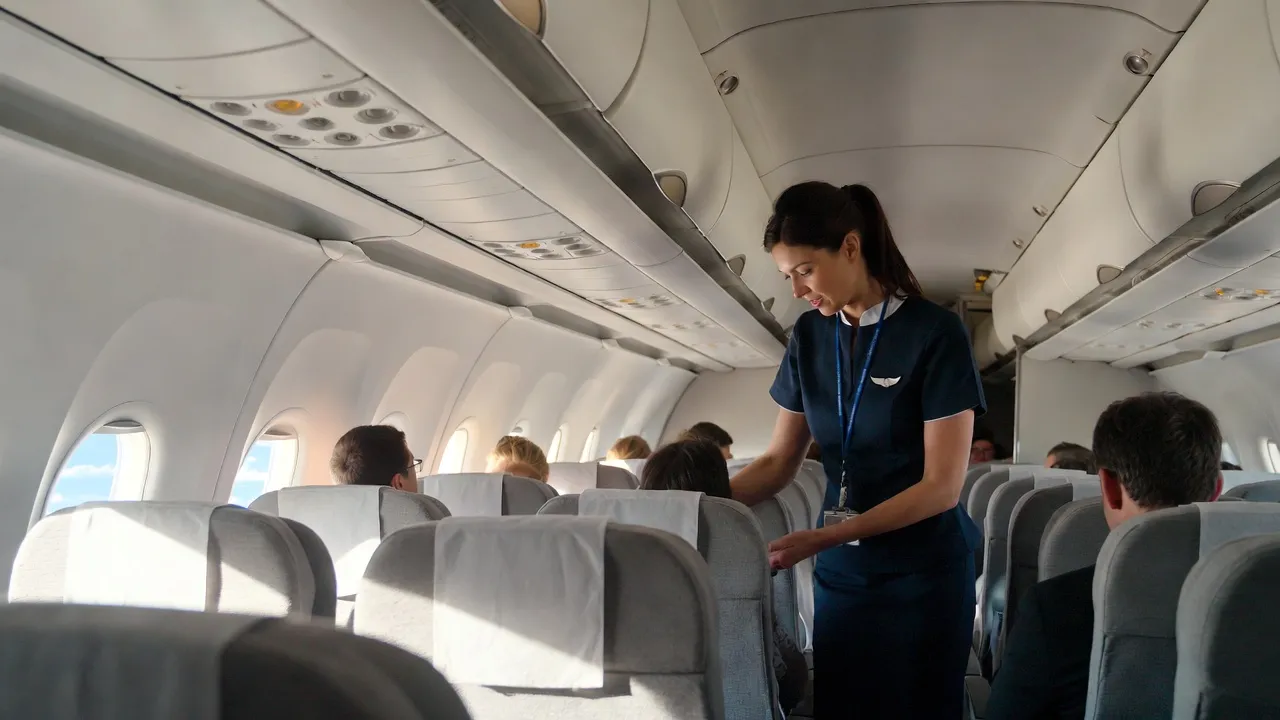
Sometimes, the crisis doesn't wait for you to land. In-flight medical emergencies are more common than most people realize, ranging from severe allergic reactions to fainting or cardiac distress. As a parent, seeing your child fall ill at 35,000 feet is terrifying because you are trapped in a metal tube.
If you find yourself facing in-flight medical emergencies, the first step is to alert the cabin crew immediately. Flight attendants are trained in advanced first aid and have access to an Emergency Medical Kit (EMK) that contains more than just bandages—it often includes heart monitors and automated external defibrillators (AEDs). Most major airlines also have a direct satellite link to "MedLink" or similar ground-based medical advisory services, where emergency physicians can talk the crew (or you) through a procedure in real-time.
Why Comprehensive Insurance is Your Only Safety Net
We cannot stress this enough: your domestic health insurance likely ends at the border. When we discuss how to handle medical emergencies abroad, the conversation must center on financial protection. A simple appendectomy in a private international clinic can easily cost $20,000 to $50,000. Without coverage, that’s a life-altering debt.
This is why we highly recommend reading our deep dive into the Best Travel Insurance for Families to find a plan that covers medical evacuation.
Medical evacuation (Medevac) is the "hidden" cost of travel crises. If you are in a remote area and need to be flown to a city with a specialized pediatric unit, the cost can exceed $100,000. Ensure your policy has a minimum of $500,000 in medical coverage and includes "repatriation of remains" and "emergency evacuation."
Understanding Emergency Treatment Abroad NHS and GHIC
For our readers from the UK or those currently residing there, understanding emergency treatment abroad NHS protocols is vital, especially when traveling within Europe. The Global Health Insurance Card (GHIC), which replaced the EHIC post-Brexit, allows UK residents to access state-provided healthcare in EU countries at a reduced cost or sometimes for free.
However, a common mistake is thinking the GHIC is a replacement for travel insurance. It is not. Emergency treatment abroad NHS provisions through the GHIC only cover what a local would get. If the local system requires a co-pay, you pay it. It also won't cover mountain rescue or private hospital stays. Always carry your GHIC, but never let it be your only line of defense.
The Resilience Dividend: Why Flexibility Saves Lives
In our experience, the psychological aspect of how to handle medical emergencies abroad is just as important as the physical one. Things will go wrong. A flight will be delayed while your child has an ear infection, or a pharmacy will be closed for a local holiday when you need rehydration salts.
Adaptability is a superpower. When a medical issue arises, stop and reassess your itinerary. Be prepared to cancel that non-refundable tour or stay an extra week in a city with better hospitals. The "sunk cost" of a missed excursion is nothing compared to the safety of your family. If you're wondering about the logistics of moving around with a sick child, our guide on How to Travel Internationally With Kids offers practical tips on slowing down your pace.
Bridging the Language Barrier in a Crisis
One of the biggest hurdles in learning how to handle medical emergencies abroad is the language gap. Describing a "sharp, stabbing pain in the lower right abdomen" is hard enough in English; it’s nearly impossible in broken Thai or Portuguese when you're crying.
We recommend three tools for every family:
- Google Translate (Offline Mode): Download the local language so you can translate medical terms without Wi-Fi.
- Medical ID on iPhone/Android: Fill this out. It allows first responders to see your blood type, allergies, and medications even if your phone is locked.
- Visual Symptom Cards: Keep a small card in your wallet with icons for "pain," "fever," "vomiting," and "allergy" that you can point to.
Managing Finances During a Medical Crisis
Medical emergencies are expensive, and hospitals in many countries require payment—or at least a "guarantee of payment"—upfront before they begin treatment. This is where your financial strategy comes into play.
Most international hospitals will not accept your local insurance card as a guarantee. They want a credit card with a high limit. Having a dedicated "emergency" card can be a lifesaver. For more on which cards offer the best travel protections and high limits, see our list of the Best Family Travel Credit Cards.
Value Section: Pro-Tips for the Digital Nomad Family
To truly master how to handle medical emergencies abroad, you need to think like an expert. Here are our "boots-on-the-ground" best practices:
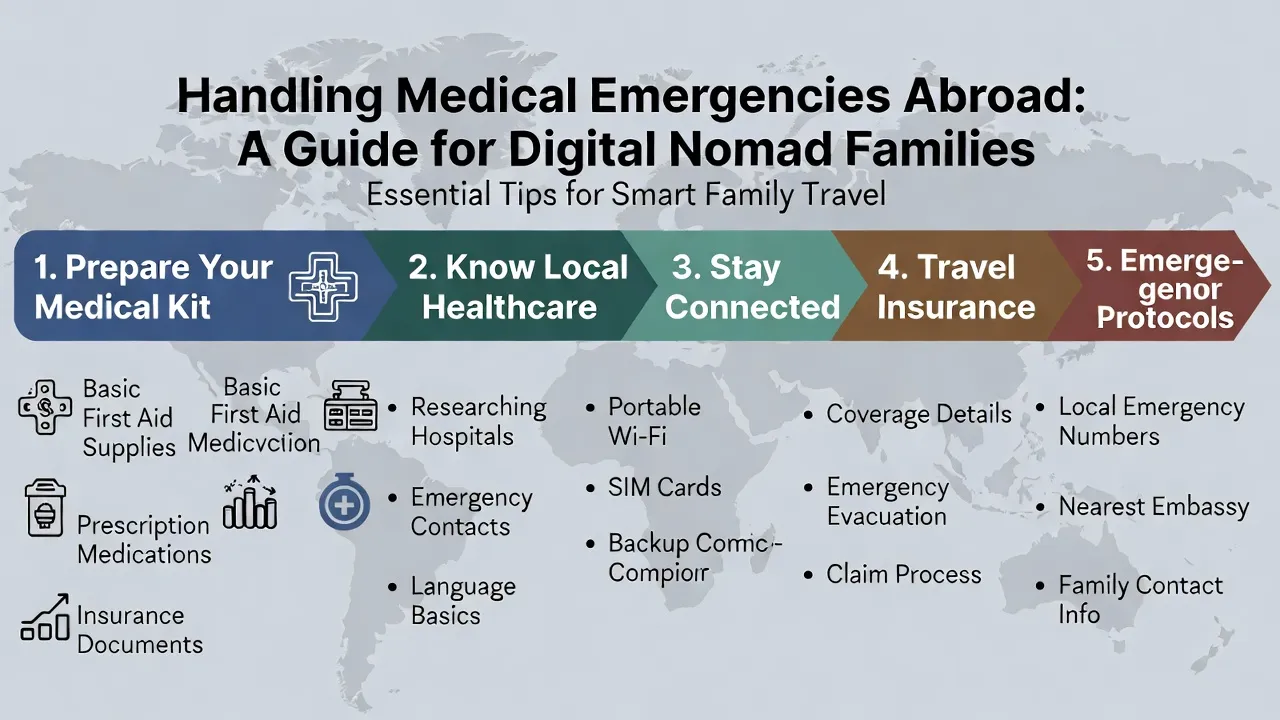
- The "Go-Bag" Strategy: Keep a small bag packed with copies of your passports, insurance policy numbers, a list of current medications, and your child's immunization records. If you have to rush to the hospital, you just grab the bag and go.
- Digital Health Records: Upload your family’s medical history to a secure cloud drive (like ProtonDrive or Google Drive). If a doctor abroad asks about a previous surgery, you have the records at your fingertips.
- Local Pediatrician Network: Join local "Expat" groups on Facebook for your destination. Search the group for "recommended pediatrician." These groups are goldmines for finding doctors who speak English and understand the needs of foreign travelers.
- The "Wait and See" vs. "Go Now" Rule: When traveling, we always lean toward "Go Now." Infections can move faster in tropical climates, and dehydration in children happens rapidly in heat. If you're questioning it, just go to the clinic.
FAQ
1. What is the first thing I should do in a medical emergency abroad? The priority is to stabilize the patient and call local emergency services (like 112 in Europe). Once the immediate danger is managed, contact your travel insurance provider’s 24/7 emergency assistance line. They can help coordinate care and guarantee payment to the hospital.
2. Does the NHS cover me if I get sick in the USA or Asia? No. Emergency treatment abroad NHS benefits via the GHIC are generally limited to the EU and a few other specific countries like Switzerland. For the USA, Asia, and the rest of the world, you must have private travel insurance.
3. What happens if there is a medical emergency on my flight? In-flight medical emergencies are handled by the cabin crew who are trained in first aid. They can use the plane's emergency medical kit and contact ground-based doctors via radio for instructions. If the situation is life-threatening, the pilot may decide to divert the plane to the nearest suitable airport.
4. How do I find an English-speaking doctor in a non-English speaking country? Contact your embassy or consulate; they maintain lists of local English-speaking medical providers. Alternatively, high-end international hotels often have a "house doctor" or a preferred clinic that caters to international tourists.
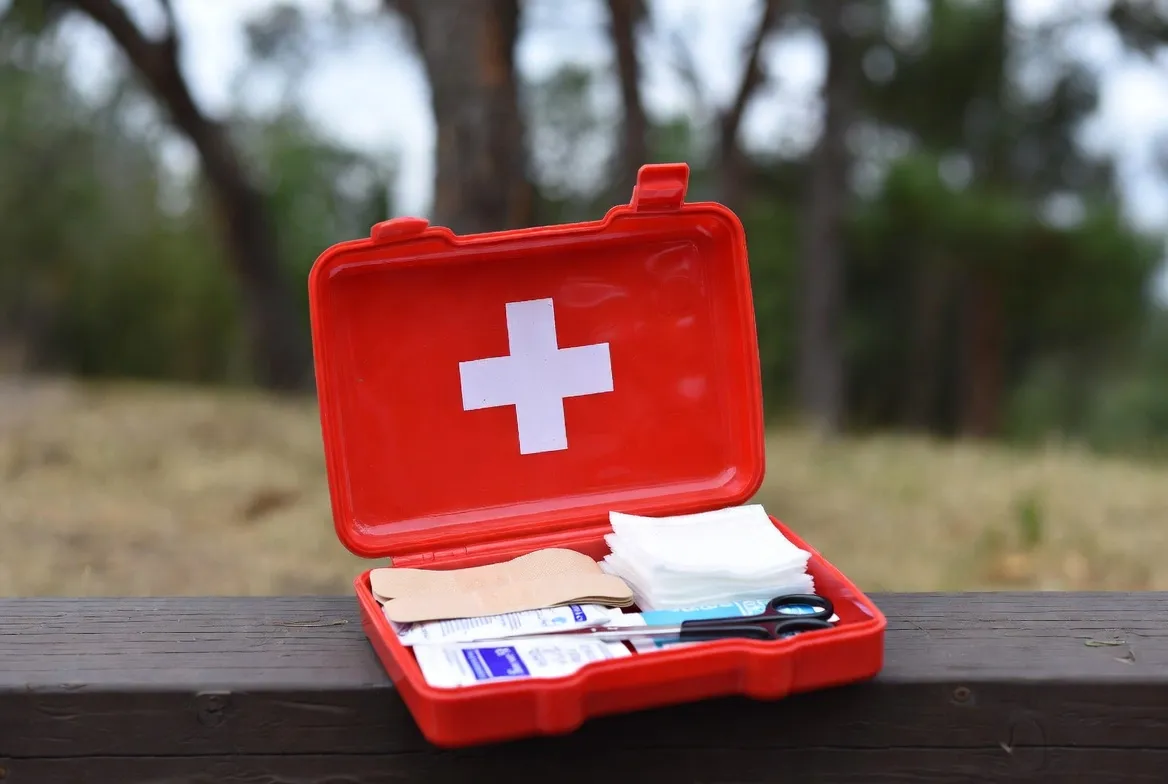
5. Should I bring a full medical kit from home? Yes. While you can buy medicine abroad, having familiar brands for fever (like Tylenol/Calpol), rehydration (Pedialyte), and antihistamines can save you a stressful trip to a pharmacy in the middle of the night.
Conclusion: Confidence Over Fear
Learning how to handle medical emergencies abroad isn't about living in fear; it's about building the confidence to explore the world. When you know you have the insurance, the numbers, and the plan in place, you can focus on the joy of travel rather than the "what ifs."
Remember, the goal of every trip is to come home with stories of adventure, not stories of medical debt or preventable complications. Stay prepared, stay flexible, and keep your family’s health as your primary compass. Safe travels!
AdSense Placeholder (728x90 or 300x250)
Join Our Nomad Family
Get weekly tips on smart family travel, remote work strategies, and homeschooling resources delivered straight to your inbox.
We respect your privacy. Unsubscribe at any time.
Related Articles