Road Schooling vs Homeschooling: The Real Differences
Exploring Alternative Education on the Move
When parents decide to leave traditional schooling behind to travel, they quickly run into two popular terms: homeschooling and roadschooling. While they sound similar, they represent very different educational styles, philosophies, and daily routines.
In this guide, we break down Road Schooling vs Homeschooling: The Real Differences to help you decide which learning model fits your family’s travel style, workflow, and child’s temperament.
Defining the Models
1. Traditional Homeschooling
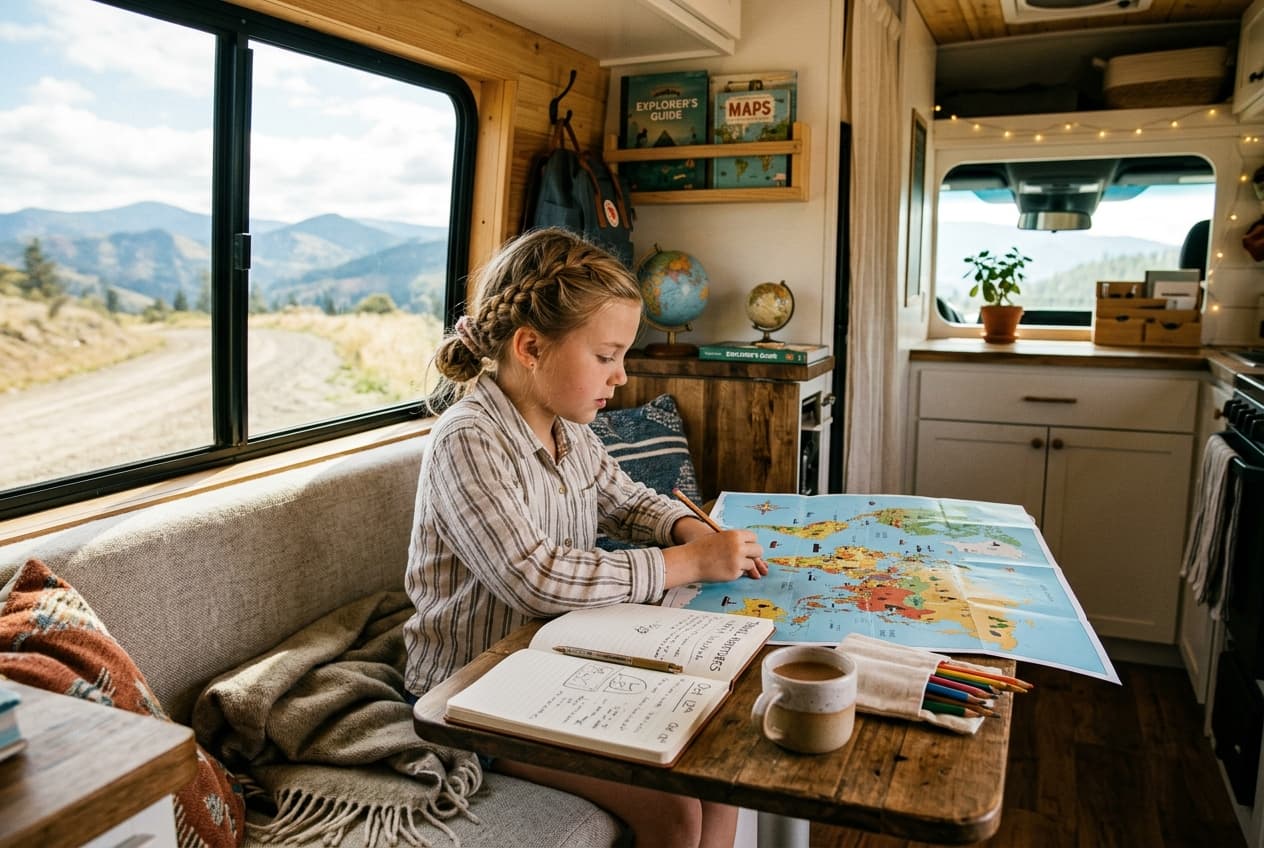
Homeschooling is a structured, parent-led educational model. Parents typically select a set curriculum, schedule regular study hours, and track academic milestones. It can be done anywhere, but it relies heavily on consistency, textbooks, and worksheets.
According to data from the National Home Education Research Institute (NHERI), structured home education provides students with excellent academic outcomes and high levels of social development.
2. Roadschooling (Experiential Learning)
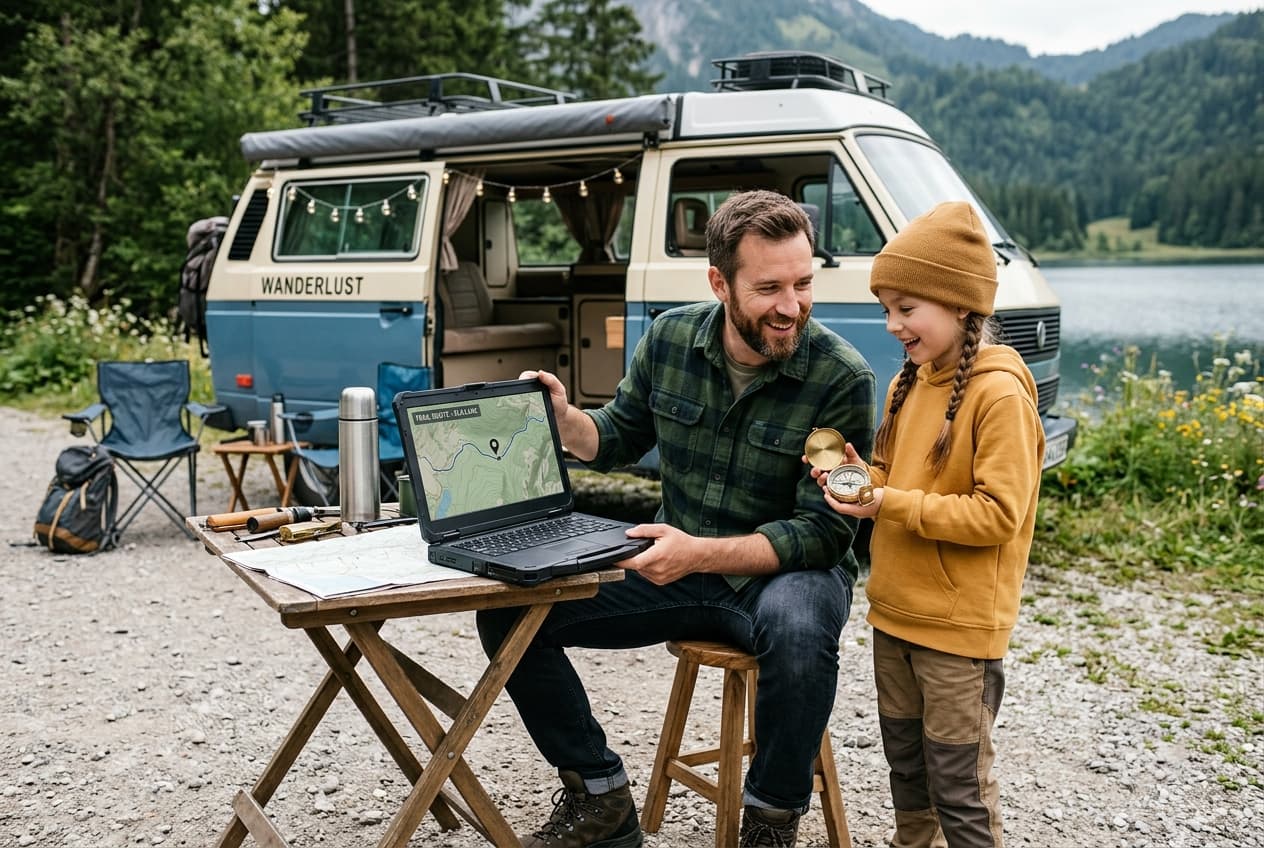
Roadschooling is an active, site-specific style of education. The travel itinerary dictates the curriculum. If you visit Rome, your history lesson is the Colosseum. If you are in Costa Rica, your biology lesson is the rainforest. Roadschooling relies on experiences, museum visits, national parks, and local cultural interaction.
Key Strategies: Blending Structures
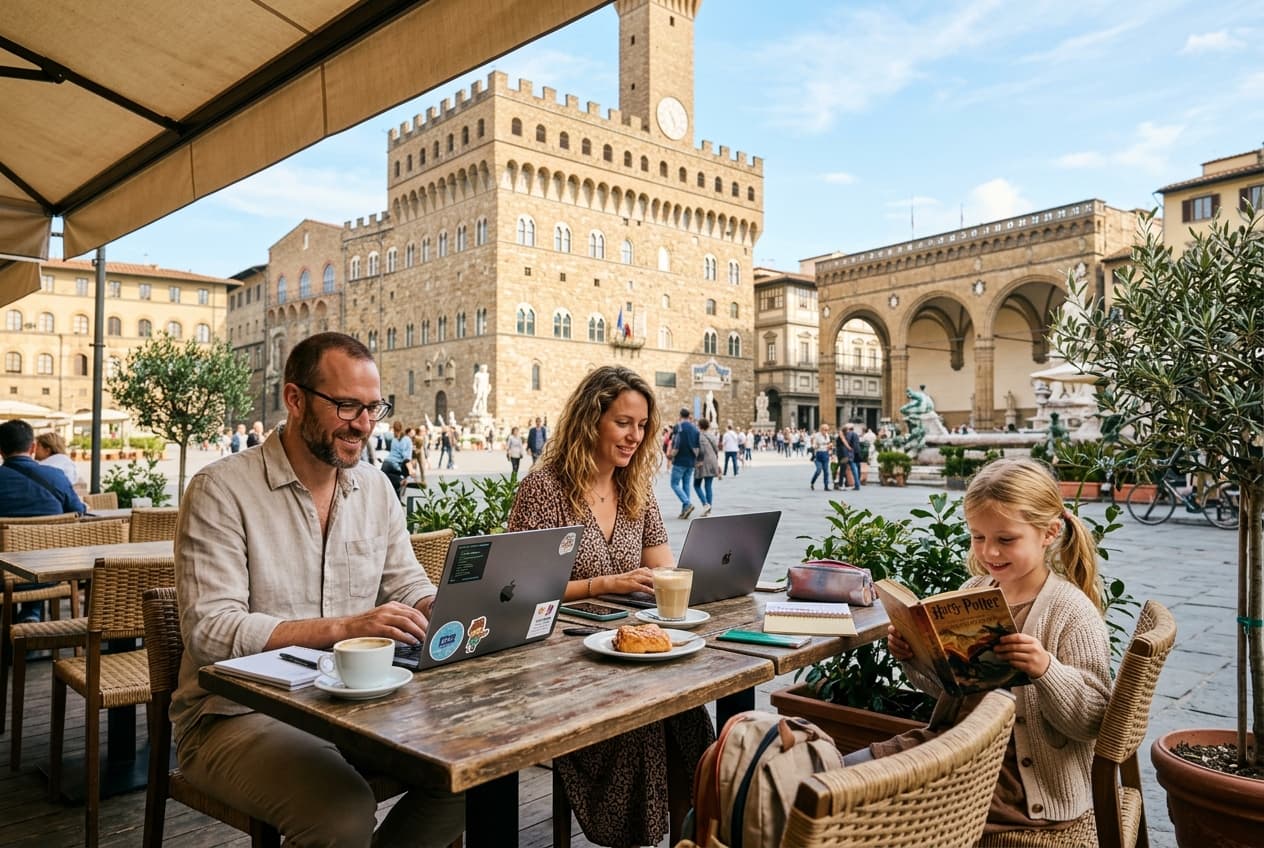
Most long-term digital nomad families find that a hybrid model works best. We don't just "wing it" on the road. We maintain a structured core math and language arts curriculum by following our Homeschooling on the Road: Our Complete Curriculum Guide and supplement it with interactive free online educational resources to keep lessons engaging and portable.
Logistics, Gear, and Visas
Both models require you to manage the physical weight of study materials. When transitioning to full-time travel, swap heavy textbooks for digital alternatives and pack them into compact 10 Best Family Carry-On Bags for 2026: Lightweight & Practical Reviews to keep your gear portable and comply with airline limits.
Additionally, slow-traveling families must coordinate their schedules with residency rules and immigration laws. Choosing the right country is crucial when matching your study goals with travel visas. If you are planning an open-ended global learning journey, researching a Digital Nomad Visa for Families is the first step to ensuring you can legally slow-travel.
AdSense Placeholder (728x90 or 300x250)
Join Our Nomad Family
Get weekly tips on smart family travel, remote work strategies, and homeschooling resources delivered straight to your inbox.
We respect your privacy. Unsubscribe at any time.
Related Articles