Screen Time Rules for Digital Nomad Kids: Our Family's Tech-Life Balance
The Digital Nomad Dilemma: When Screens Are Everywhere
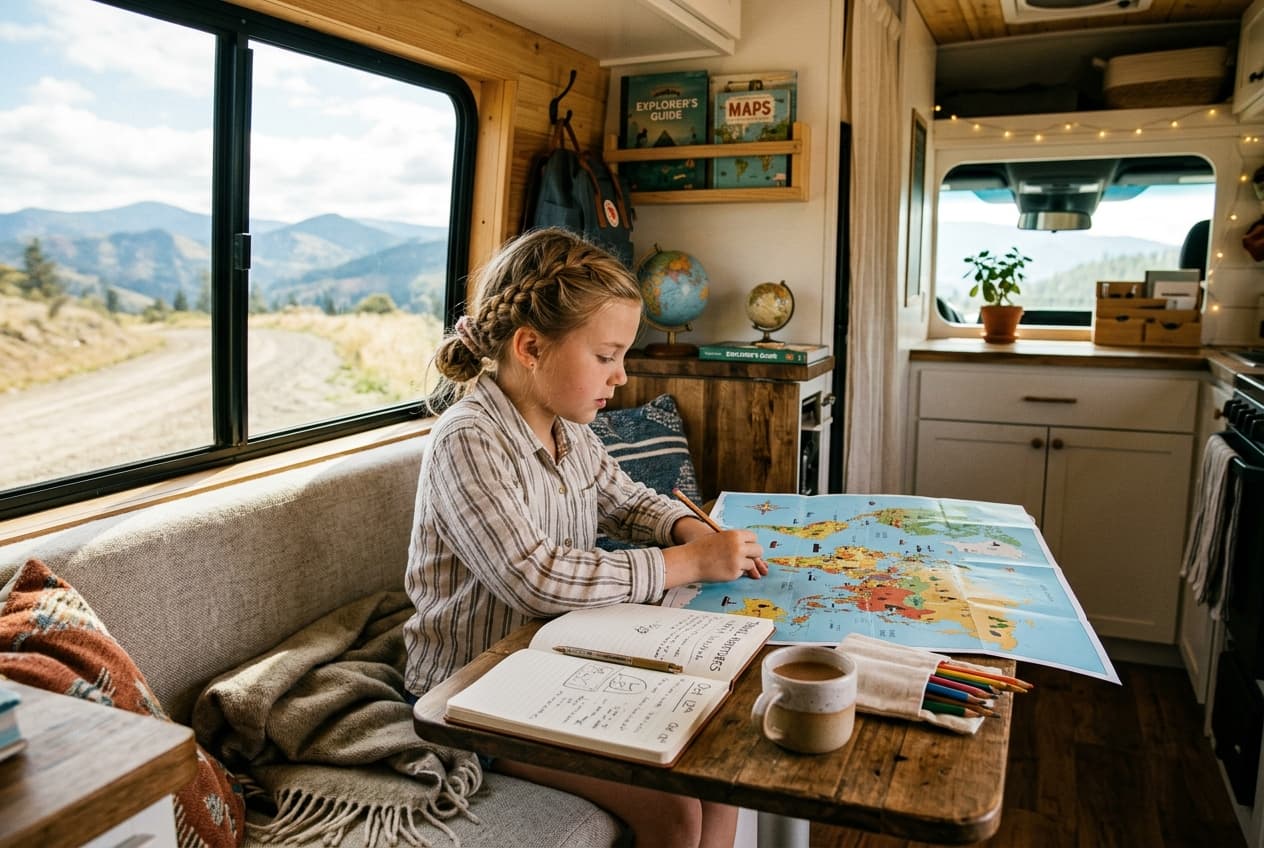
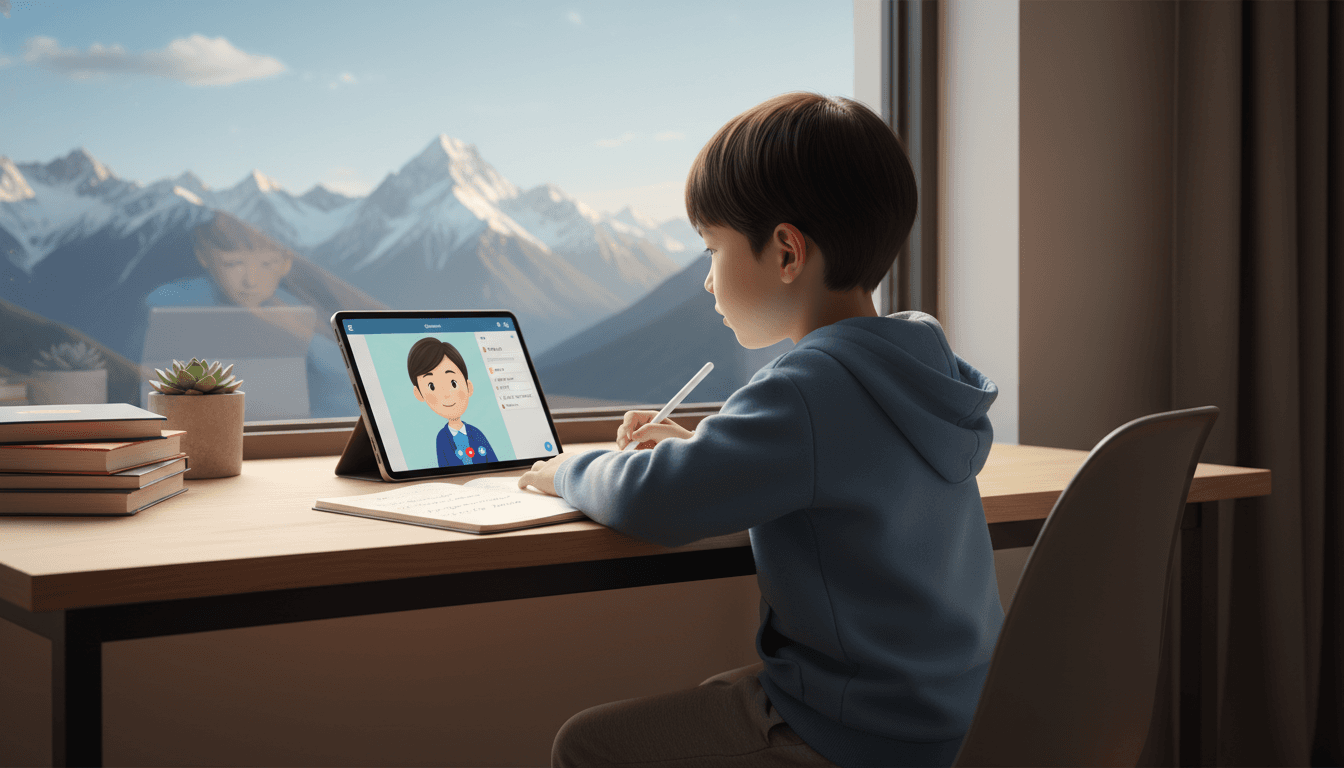
Living as a location-independent family means our lives are inherently woven into the digital world. As parents, we work from our laptops in cafes and villas. Meanwhile, our children log onto tablets to attend online classes, research historical landmarks, or chat with grandparents thousands of miles away.
In a traditional household, keeping devices in check is hard enough. But in a nomadic lifestyle, it can feel near-impossible.
When you combine remote work, timezone shifts, homeschooling, and long travel transits, screens easily become the default babysitter. Without clear boundaries, devices quickly turn from powerful educational tools into "digital candy"—causing behavior issues, short attention spans, and kids who are too glued to their screens to notice the incredible foreign country right outside their window.
Managing screen time for kids traveling doesn't mean banning technology. Instead, it’s about establishing realistic digital nomad screen time limits that balance digital learning with real-world exploration.
Here is the exact, battle-tested system our family uses to maintain a healthy tech-life balance on the road.
This article is part of our comprehensive family travel series. Be sure to check out our Ultimate Guide to Family Travel in 2026 for a complete roadmap to design a successful, long-term travel lifestyle.
The Screen Time Trap: Active vs. Passive Use
Before setting strict boundaries, it is crucial to recognize that not all screen time is created equal. We divide our children's device usage into two distinct categories:
- Active (Educational) Screen Time: This includes attending online school, coding, creating digital art, writing emails to friends, or using interactive language apps.
- Passive (Entertainment) Screen Time: This includes watching YouTube, scrolling social media, or playing casual video games.
For nomadic kids, a large chunk of their day is spent on screens for educational purposes. Between researching topics for Homeschooling While Traveling: Complete Guide and attending virtual lessons through the Online School Options for Traveling Families, their minds are active.
We do not count active educational screen time against their daily limits. Our rules focus strictly on managing passive entertainment screen time to prevent overstimulation and digital fatigue.
Our 4 Practical Screen Time Rules for Traveling Kids
Here is the framework we use to keep devices from taking over our family travels:
1. The "Work Day" Time Blocks
To create predictability, we schedule entertainment screen time into specific daily blocks.
- No Screens Before 2:00 PM: Mornings are dedicated to schoolwork, outdoor activities, or exploring. This keeps their brains fresh and engaged.
- The 1-Hour Entertainment Limit: On normal weekdays, entertainment screen time is limited to a single 1-hour block, usually in the late afternoon. This is also when parents finish up their final work tasks for the day, allowing everyone to wind down simultaneously.
2. Location-Based Screen Bans (No Devices at the Table or Outdoors)
We have strict "no-screen zones" to ensure our family stays present:
- Restaurants & Dinner Tables: Meal times are for conversations, trying local foods, and talking about our day. Devices are banned at the table—no exceptions.
- Outdoor Excursions: When we are walking through the historic streets of Rome or hiking in Banff, phones and tablets stay in backpacks. If children want to take photos, they can use a dedicated kid-friendly digital camera instead of a smartphone.
3. Weekly Family Tech-Detox Days
At least one day a week (usually Sunday), our entire family goes completely offline. No laptops, no tablets, and no social media. As parents, we must lead by example here. If we expect our kids to put down their devices, we cannot spend our weekends scrolling on our phones.
Instead, we use this day to immerse ourselves in our current destination—whether that’s a beach day, visiting local markets, or playing board games at home.
4. The "Transit Day" Exception
While consistency is key, flexibility is our superpower. We have a clear exception to our screen time limits: Transit Days.
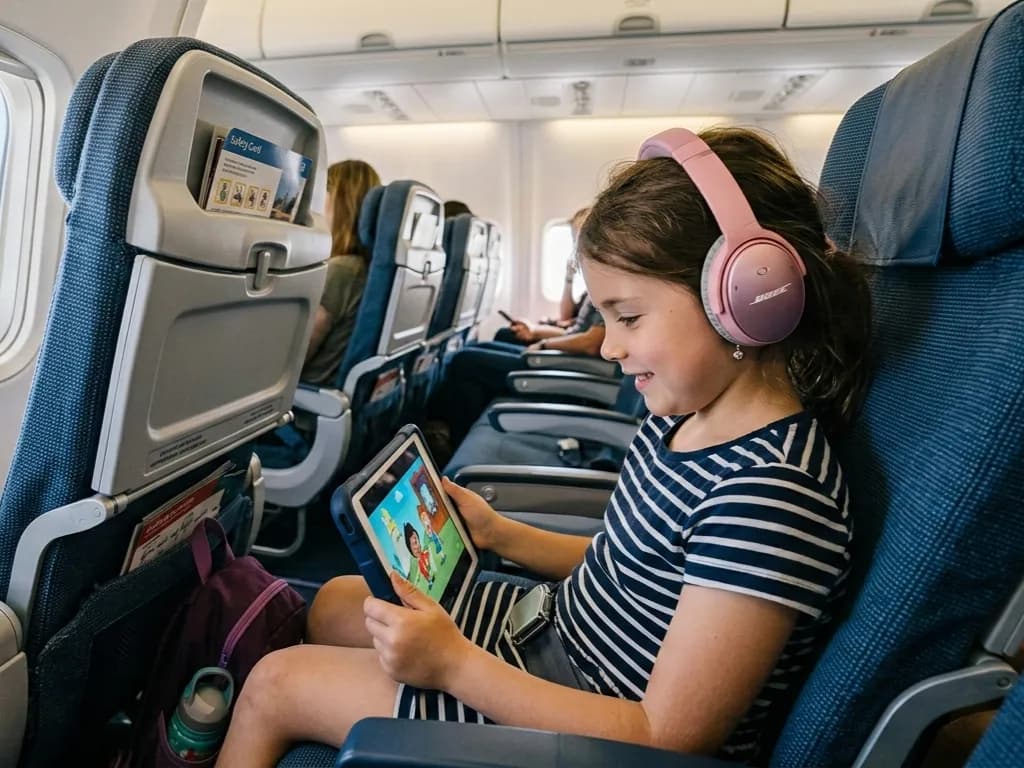
Long-haul flights, delayed train rides, and multi-hour car trips are exhausting for everyone. On these days, we relax the rules. Keeping a preschooler quiet on a 10-hour flight is about survival, and screens are a highly effective tool.
To keep this screen time high-quality:
- We pre-download educational games, audiobooks, and offline movies.
- We pair devices with high-quality, comfortable headphones. Read our reviews on the Best Noise-Canceling Headphones for Kids to protect their hearing during loud transit.
- We balance device use with offline options. Make sure to pack plenty of physical entertainment by checking out our Must-Have Travel Gear for Kids packing checklist, which includes travel journals, card games, and compact coloring books perfect for road trips or plane rides.
Tech Tools to Help Enforce the Rules
Enforcing boundaries shouldn't lead to a daily screaming match. We let software handle the "bad guy" role by using parental control systems:
- Google Family Link & Apple Screen Time: We configure these on all kid-owned devices. Once their 1-hour limit is reached, the device automatically locks down. The kids know they can't negotiate with an operating system, which dramatically reduces whining.
- Airplane Mode by Default: Unless they are actively doing online school, our children's devices are kept in airplane mode. This prevents them from wandering into unapproved corners of the internet or getting distracted by constant notifications.
Finding the Balance
Establishing digital nomad screen time limits isn't about setting up a digital prison. It is about protecting our children's attention spans, encouraging their curiosity, and ensuring they actually experience the world we are traveling so far to show them.
By defining active versus passive use, staying flexible on transit days, and leading by example, you can build a sustainable lifestyle where technology supports your family's freedom rather than dominating it.
FAQ: Screen Time for Traveling Kids
How much screen time should kids have when traveling? For daily life on the road, we recommend limiting entertainment screen time to 1 hour per day for school-aged kids, while keeping school and educational screen time separate. On long transit days (flights, train rides), we recommend being flexible and easing restrictions to keep everyone calm.
How do I prevent screen time meltdowns in hotels or Airbnbs? Set expectations before you unpack. Let your kids know exactly when screen time is allowed, and use app-based parental locks that automatically shut off the device when the limit is reached. Having a clear daily routine prevents kids from asking for screens constantly.
What are some good screen-free activities for road trips? Audiobooks and podcasts are excellent middle-ground options because they keep kids entertained without staring at a flashing screen. You can also play classic road trip games (like "I Spy" or the License Plate Game), pack compact card games, or give them a travel journal to draw and write about the passing scenery.
AdSense Placeholder (728x90 or 300x250)
Join Our Nomad Family
Get weekly tips on smart family travel, remote work strategies, and homeschooling resources delivered straight to your inbox.
We respect your privacy. Unsubscribe at any time.
Related Articles