Slow Travel for Families: Why Staying 1 Month Changes Everything
The Nomad Family Paradox: When Travel Becomes Exhausting
Imagine waking up in a gorgeous apartment in Lisbon, looking out over the red-tiled roofs, and feeling nothing but a deep sense of dread. You have three days to see the city, your laptop is full of unread work emails, your six-year-old is having a meltdown because they can’t find their favorite toy, and you need to pack four suitcases again by tomorrow morning.
This is the travel wall, and it is the primary reason why so many digital nomad families call it quits after just a few months.
We enter this lifestyle seeking freedom, adventure, and bonding. Instead, we often end up bringing our hectic, fast-paced routines to new time zones—creating a recipe for extreme exhaustion. If you are constantly moving every week, you aren't really living in a place; you are just surviving the logistics of transit.
The solution? Slow travel with kids. By shifting your perspective and deciding to stay at least one to three months in a single location, you transform travel from a chaotic vacation into a sustainable, rewarding lifestyle.
This article is part of our comprehensive family travel series. Be sure to check out our Ultimate Guide to Family Travel in 2026 for a complete, step-by-step roadmap to location-independent parenting.
The Science of Burnout: Why Rapid Travel Fails Nomad Families
When traveling solo, hopping from city to city every few days is an exciting challenge. But when you introduce children into the equation, the cognitive load multiplies exponentially.
Children require stability, routine, and a sense of safety to thrive. Every time you change accommodations, you disrupt their sleep patterns, change their food options, and remove their familiar surroundings. For parents, this leads to constant decision fatigue—deciding where to eat, how to get around, where the nearest pharmacy is, and how to keep the kids safe in an unfamiliar environment.
If you are feeling overwhelmed, you are not alone. In our guide on How to Avoid Travel Burnout With Kids, we discuss how rapid relocation triggers the "survival mode" of parenting, leaving zero room for the actual joy of travel. A slow travel family avoids this trap by trading quantity for quality.
Staying in one place for a month changes the brain's relationship with the environment. Instead of rushing to see the "top 10 sights," you have the luxury of time. You can spend an entire morning at a local playground or simply watch the rain fall from a local cafe without feeling like you are wasting your trip.
1. The Financial Perks: The Magic of Monthly Discounts and Geo-Arbitrage
Let's address the most practical benefit of slow travel: it is dramatically cheaper.
When you book accommodations on a weekly or nightly basis, you pay premium rates. However, staying for 30 nights or more unlocks massive monthly discounts on platforms like Airbnb or local rental sites—often saving you 30% to 50% on accommodation costs.
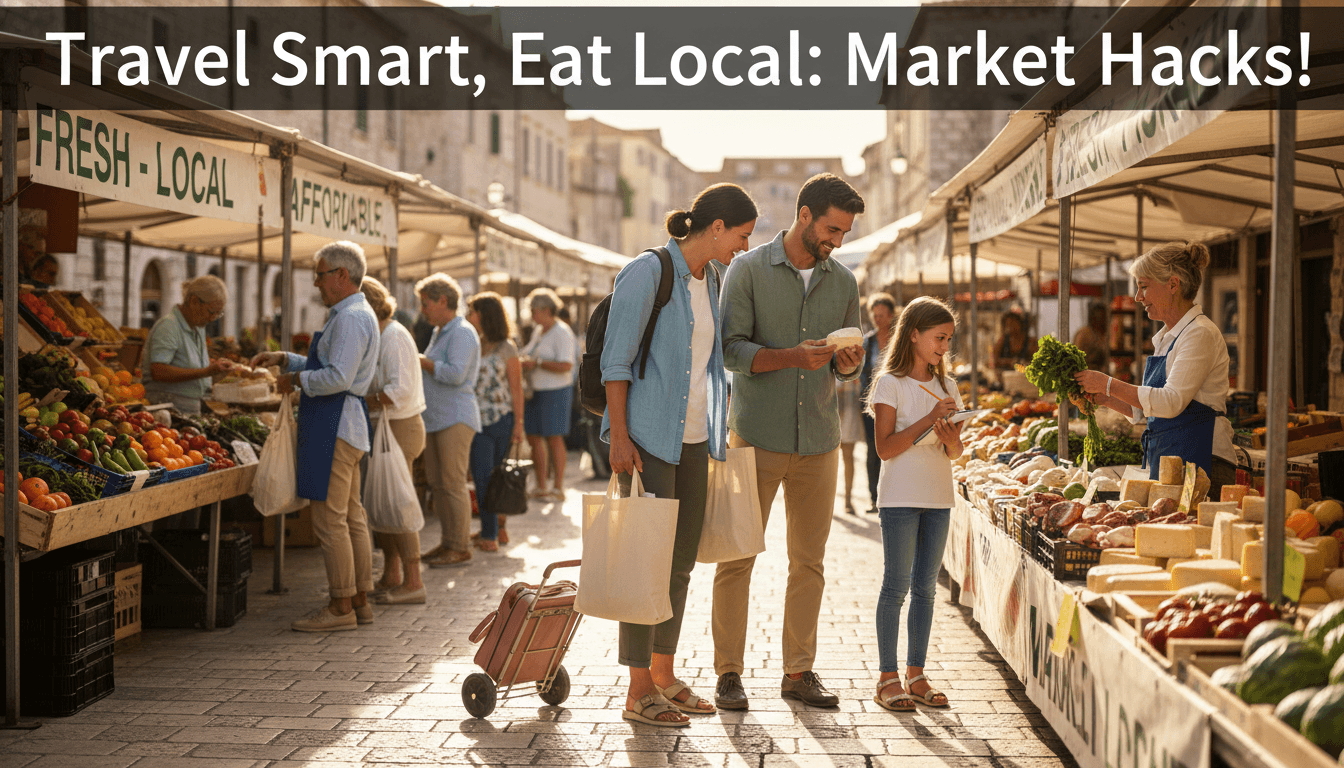
Furthermore, slow travel allows you to leverage geo-arbitrage effectively. Instead of paying tourist prices at restaurants three times a day, you have time to locate the neighborhood grocery store, find the local markets, and cook healthy meals at home. Your transportation costs also drop to near zero once you stop booking weekly flights, trains, or long-distance car rentals.
To see how this fits into a realistic household budget, read our detailed How Much Does It Cost to Travel the World as a Family? breakdown. You can easily stretch your budget twice as far in the Cheapest Countries for Family Travel simply by slowing down your pace.
2. Setting a Sustainable Routine: Sanity for Remote Working Parents
For digital nomad parents, the hardest part of the lifestyle is the daily balancing act. You aren't just traveling; you are running a business or holding down a remote job while educating and caring for your kids.
When you move quickly, finding reliable Wi-Fi, quiet corners for Zoom calls, and local childcare becomes a daily emergency. By staying for at least a month, you can establish a healthy work-life rhythm:
- Week 1: Settle in, find the local co-working space, locate the parks, and stock the kitchen.
- Weeks 2 & 3: Establish a steady work routine. One parent works in the morning while the other explores with the kids, then swap. Alternatively, utilize local short-term daycare facilities.
- Week 4: Wind down, visit any remaining attractions, and prepare for a relaxed departure.
Establishing this kind of predictability is key to professional and domestic peace. We cover the logistics of this in our guide on Balancing Work and Parenting While Traveling.
3. High-Quality Education: Worldschooling with Depth
Worldschooling is a beautiful concept, but it is hard to implement when you are constantly in transit. True learning requires reflection, focus, and immersion.
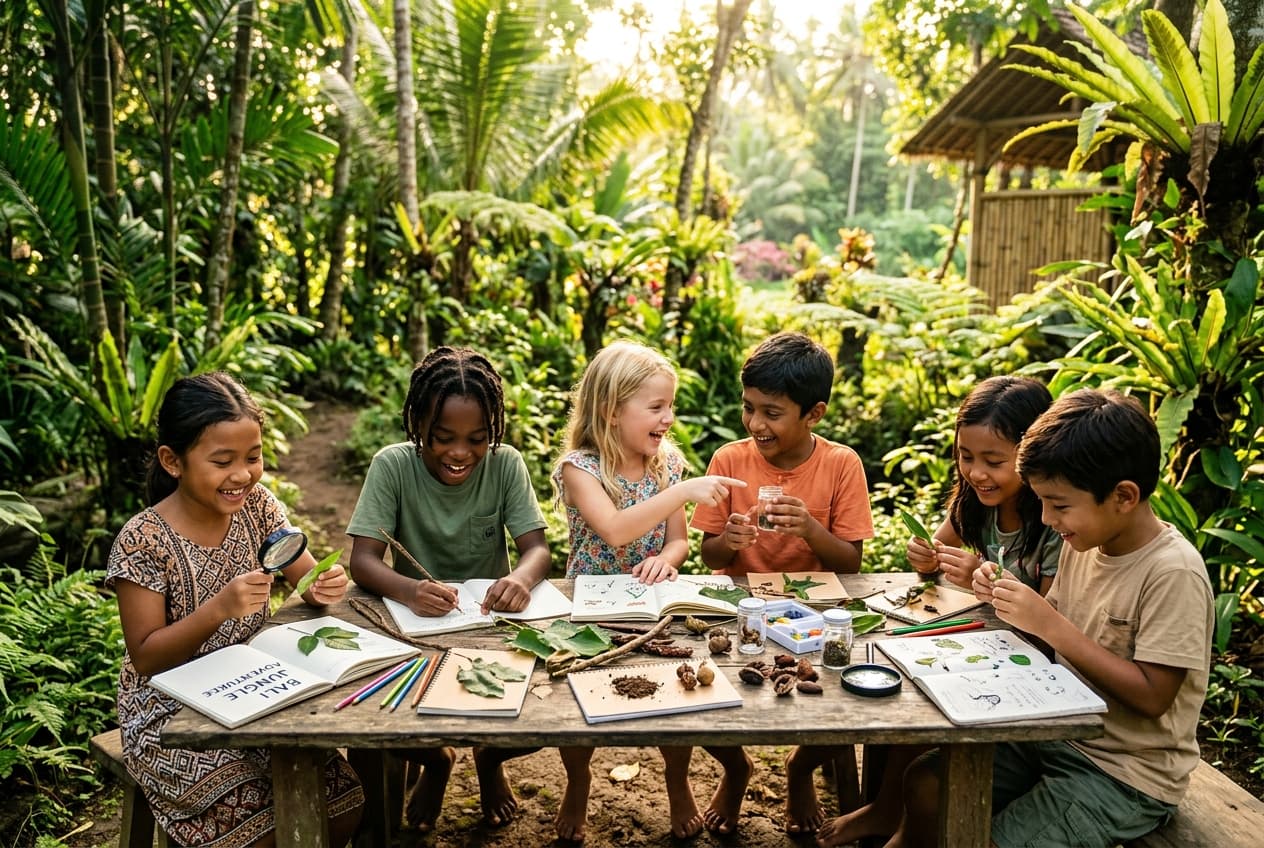
When practicing slow travel with kids, the world truly becomes their classroom. Rather than briefly glancing at a monument, children can take local art classes, visit the same museum multiple times to study different exhibits, or even learn basic phrases of the local language from neighborhood kids.
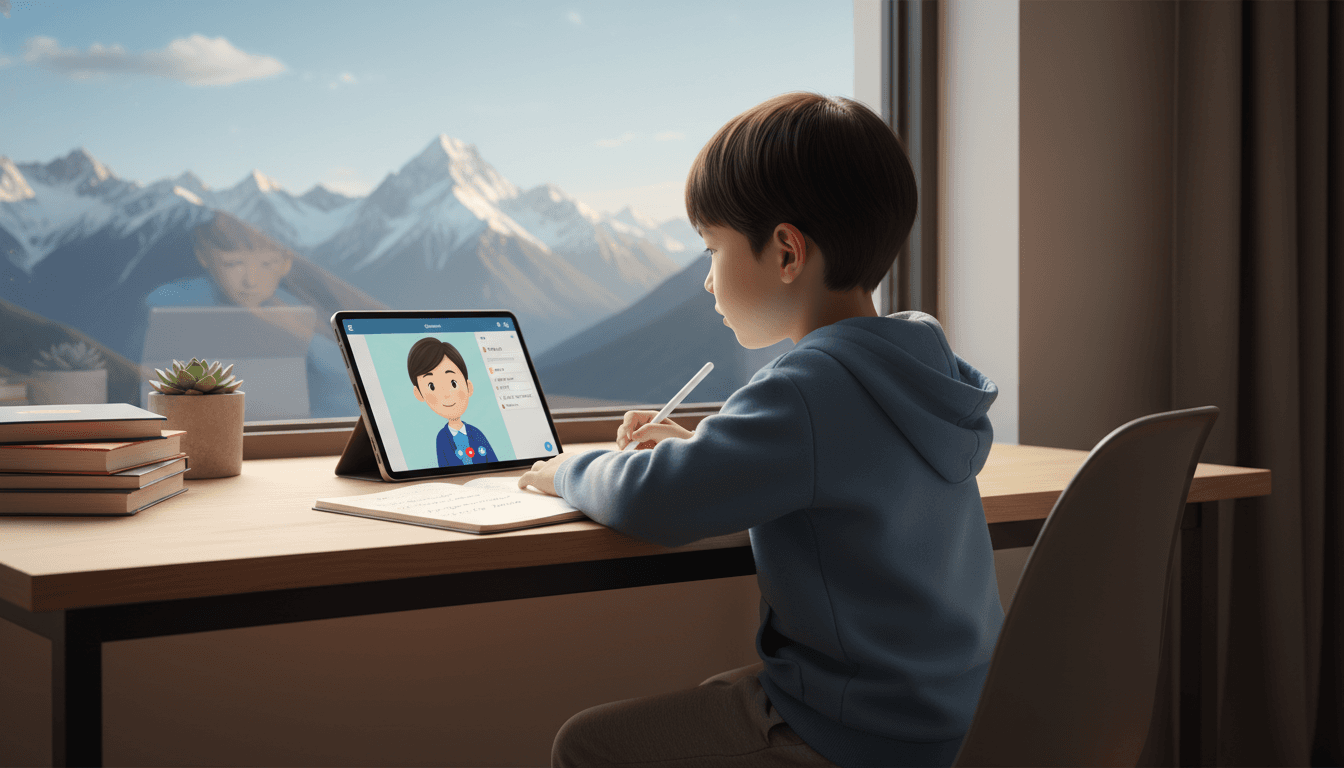
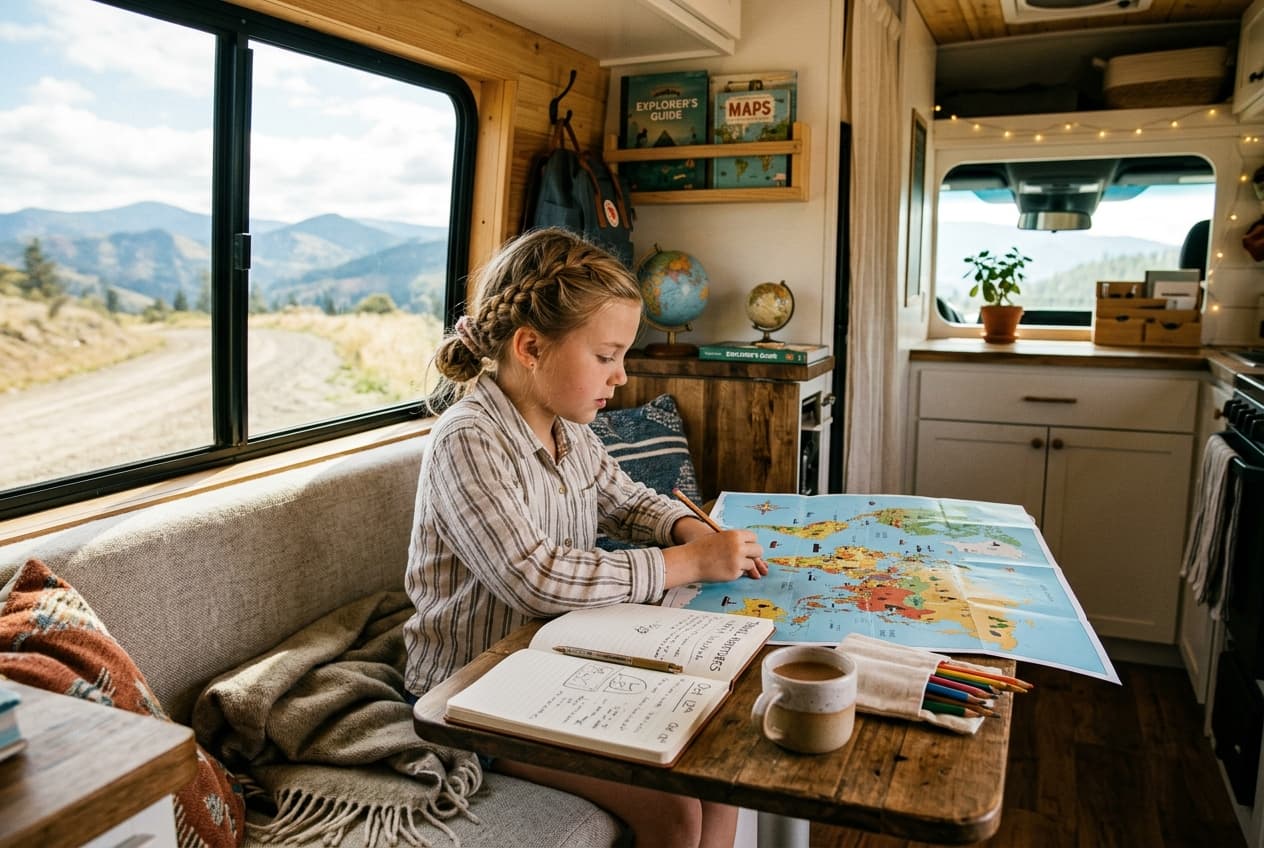
Moreover, homeschooling or online schooling is much easier to manage when you aren't packing and unpacking every few days. A stable desk, a comfortable chair, and a consistent daily routine make a massive difference in a child's academic focus. For a step-by-step look at how we structure education on the road, check out our Homeschooling While Traveling: Complete Guide.
Staying in one place for a month also gives your children the chance to make friends. Many slow-travel hubs have active expat and worldschooling communities that host weekly playgroups, science clubs, and field trips.
4. Simplified Visas and Legalities
Fast travel often means constantly worrying about border crossings, passport stamps, and visa expirations. By adopting a slow-travel mindset, you can align your itinerary with standard tourist visa durations.
For instance, a standard Schengen visa allows you to stay in Europe for 90 days. Instead of visiting 15 countries in those 90 days, a slow-travel approach would have you choose three distinct bases (e.g., Sintra in Portugal, Malaga in Spain, and Florence in Italy) for 30 days each. This minimizes border-crossing stress and allows you to experience the cultural nuances of each region.
For families planning to travel long-term, many countries now offer dedicated digital nomad visas that make staying 1–12 months incredibly easy. Check out our guide on the Digital Nomad Visa for Families to explore which countries offer the best paths for slow-traveling households.
Key Strategies for Transitioning to Slow Travel
If you are ready to make the switch from fast-paced sightseeing to a sustainable slow travel family lifestyle, follow these foundational tips:
1. Prioritize Home Comforts
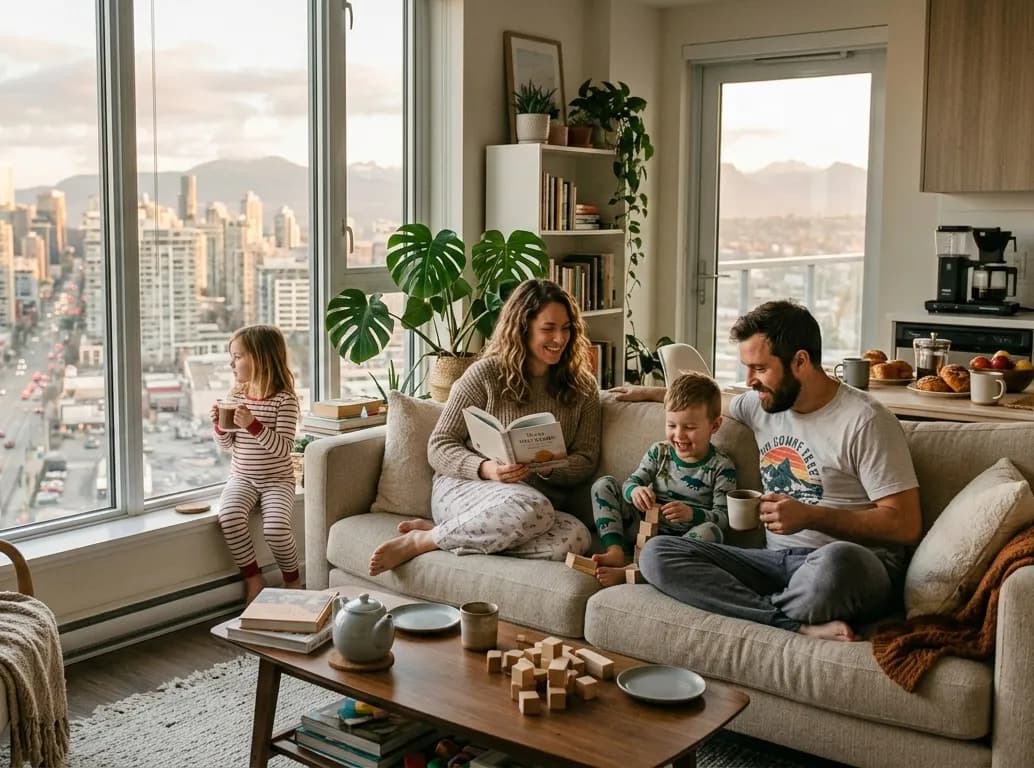
When booking a monthly stay, look for accommodations that feel like a home, not a hotel. A fully equipped kitchen, a washing machine, and separate sleeping areas for parents and kids are non-negotiable for long stays.
2. Choose the Right Location Hub
Pick destinations that are walkable, safe, and have close access to green spaces or beaches. Excellent hubs for slow-traveling families include places like Chiang Mai (Thailand), Ubud (Bali), and Málaga (Spain). For more destination inspiration, read our recommendations on the Best Destinations for Digital Nomad Families in 2025.
3. Build a "Nothing Day" into Your Weekly Schedule
Even when staying in a place for a month, it is easy to over-schedule. Designate at least two days a week as "nothing days" where you stay close to home, play board games, visit the local playground, and rest.
FAQ: Slow Travel for Families
How long should a slow travel family stay in one place? While anything over two weeks is a step in the right direction, staying one to three months is the sweet spot. It provides enough time to access monthly rental discounts, establish a routine, and build relationships with the local community.
Is slow travel with kids boring? Not at all. In fact, it is often more exciting because you transition from being a passive tourist to a temporary local. You get to discover hidden cafes, attend local festivals, and form deeper connections that are impossible to make during a brief visit.
How do you handle social life for kids during slow travel? Look for destinations with active worldschooling hubs or digital nomad family networks (often found on Facebook groups or Slack channels). By choosing popular hubs, your children can easily join weekly meetups, playgroups, and joint excursions.
Embrace the Slow Lane
Traveling the world with your children is an incredible privilege, but it shouldn't feel like an endless marathon. By slowing down, staying longer, and embracing the beauty of a single month in one place, you protect your family's mental health, save money, and create deep, lasting memories.
Let go of the travel checklists. Find a beautiful base, unpack your bags, and let the slow adventure begin.
AdSense Placeholder (728x90 or 300x250)
Join Our Nomad Family
Get weekly tips on smart family travel, remote work strategies, and homeschooling resources delivered straight to your inbox.
We respect your privacy. Unsubscribe at any time.
Related Articles